


Bells roundup
The Best Bells for the Money
Handbell value sits at £900–1200 for mid-range sets offering 90% of premium tone for 50% less cost. Avoid cheap extremes; match budget to commitment level.
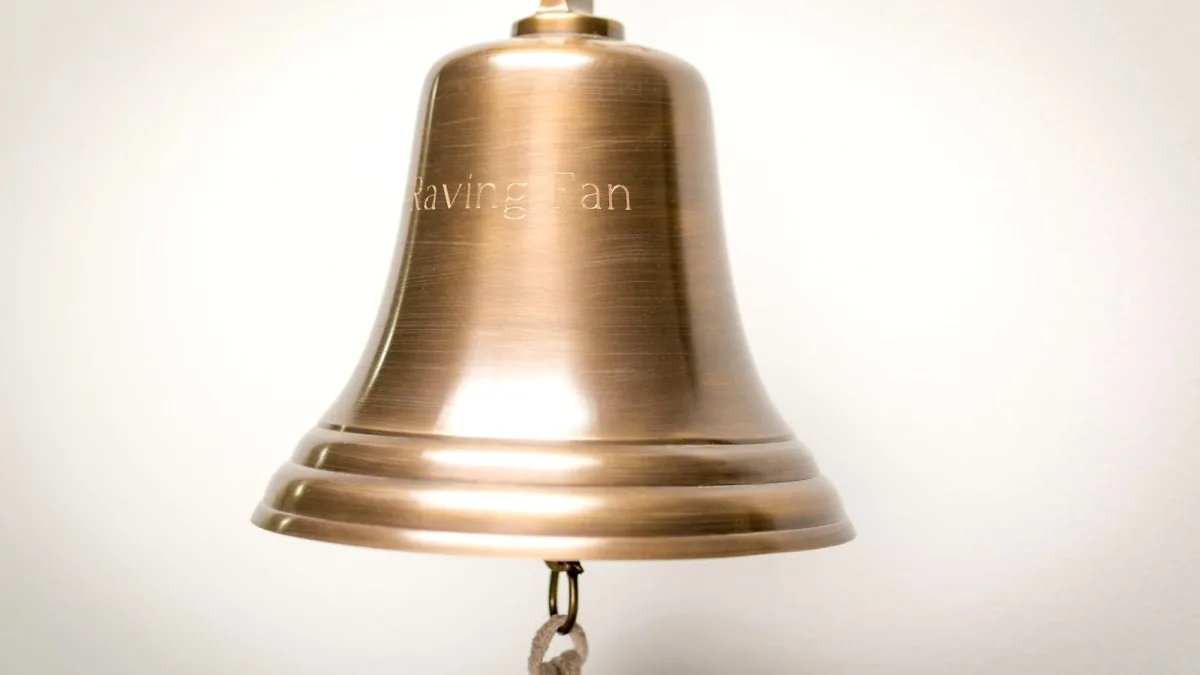
Finding the best value in percussion bells means knowing which tier offers genuine improvement for the price. Overspend and you're paying for craftsmanship you won't hear; underspend and you'll hear every casting defect. Here's where value actually lives.
Handbell Value Analysis
Student sets (£400–600) deliver surprising playability. If tuning is decent and clapper mechanisms work smoothly, you get 80% of the tone quality of a £1500 set. The weakness is consistency—some student sets tune tighter than others. Buying from a maker with good reviews reduces this risk.
The value jump comes at the £800–1200 tier. For an extra £300–600, you get noticeably warmer tone, more consistent tuning across the set, and clappers that feel more refined. If you play weekly in a choir or ensemble, this investment pays dividends.
Beyond £1500, you're paying for craftsmanship detail and tone refinement that most players won't fully exploit. Professional campanologists and cathedral choirs notice; amateur players rarely do.
Best Value Handbell Strategy
If you're trying handbells for the first time, buy a student set (£400–600). Play regularly for a year. If you love it and play weekly, upgrade to a mid-range set (£900–1200). You'll notice the improvement immediately and the investment is justified.
If you're forming a choir, pool funds with other members and buy one quality set rather than five cheap ones. Tone consistency matters more than individual instrument perfection.
Orchestral Chimes: Value Sweet Spot
A set of 5–8 chimes (£300–500) offers excellent value. Standard quality casting from established makers sounds professional. Bronze chimes cost more but sound warmer; steel chimes sound brighter but cost less.
Unless you're a principal percussionist in a major orchestra, standard sets are fine. Premium options (£700+) deliver refinement that's overkill for most ensemble use.
Cowbell Value
Quality varies significantly at the £20–40 price point. A £25 cowbell from a reputable maker sounds clear and rings well. A £25 generic cowbell might sound tinny and cheap. Reading reviews helps immensely.
Buying a set of three cowbells (small, medium, large) from a single maker (£50–80 total) provides tonal variety at good value.
Where Overspending Hurts
Buying premium handbells (£2500+) when you play casually is wasteful. The refinement won't be heard or appreciated. Save money.
Buying used cheap sets (student-quality from unknown sources) risks tuning problems that will frustrate you. Spend the extra £100–200 for a known-quality student set instead.
Where Underspending Hurts
The absolute cheapest handbells (under £300) often have significant casting defects. Tuning is unreliable; tone is rough. You'll spend months fighting the instrument rather than enjoying it.
For ensemble playing, cheap sets create drag. A choir with poor-quality handbells sounds worse than no handbells at all.
Smart Buying for Ensemble Use
One quality set (£900–1200) for a choir of 8–10 players is better value than eight individual lower-tier sets. Consistency matters.
If multiple players want personal sets, buy them from the same maker so they match tonally.
Second-Hand Value
Used sets from reputable makers often deliver 70% of the cost for 90% of the tone quality. A 10-year-old £1200 set selling for £600–800 is excellent value if the tone is intact.
Avoid mixing old and new handbells; tuning standards and casting methods vary between eras.
Hidden Value Opportunities
Some makers offer "seconds"—bells with minor cosmetic flaws or slight tuning variations, sold at 20–30% discount. Playable quality is fine; the discount is real.
Buying off-season (spring/summer) sometimes yields discounts as demand drops.
Bottom Line for Value
For casual play: student set (£400–600). For serious amateurs: mid-range set (£900–1200). For orchestral colour: standard chime set (£350–500). For rhythm texture: quality cowbells (£50–80 for a set). Anything beyond that is refinement, not necessity.





Comments