


Bass Drum Pedal article
Bass Drum Pedal for Beginners: A Complete Guide
The bass drum pedal is where beginners often struggle most — but with a clear setup and the right technique focus from the start, it quickly becomes second nature.
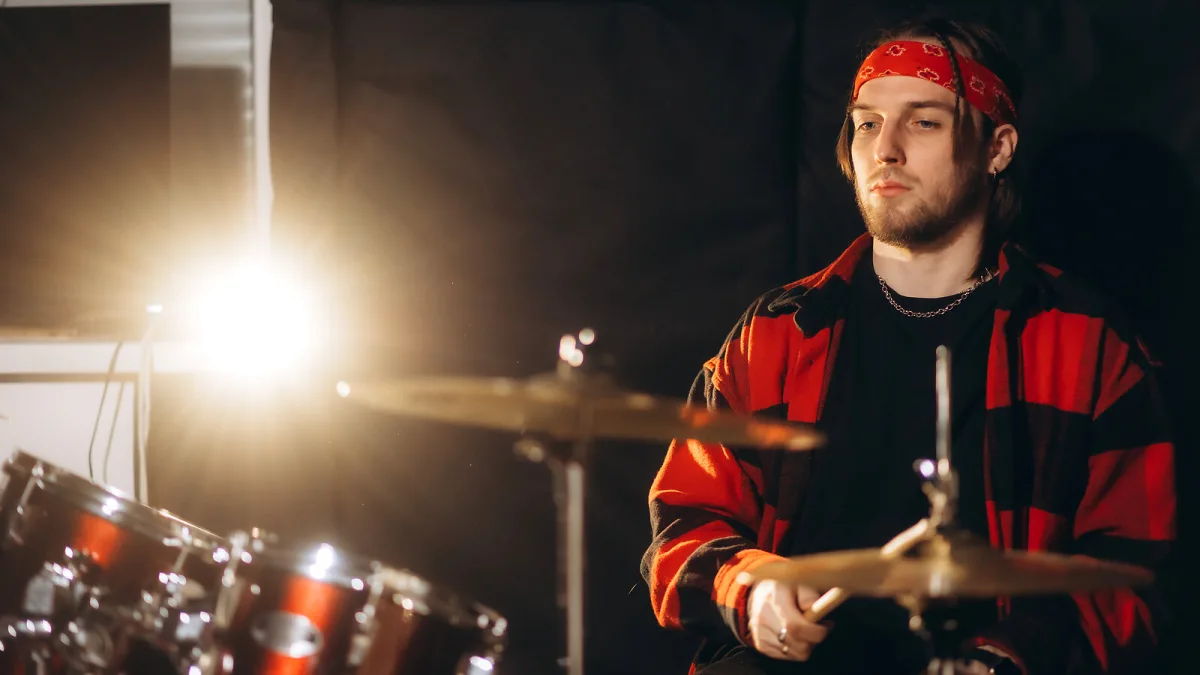
If you are new to the drum kit, the bass drum pedal is probably the piece of kit you have thought about least — and it is also the one that trips up beginners the most. Getting it set up properly, understanding what it is actually doing, and building solid technique from the start will save you a great deal of frustration. Here is where to begin.
What You Are Working With
A bass drum pedal sits on the floor in front of your kick drum and transfers the motion of your foot into a beater that strikes the drum head. Press the footboard down, the beater swings forward, hits the head, then the spring pulls it back. That is the full cycle.
The pedal has a few key parts you should know: the footboard (where your foot goes), the beater (what hits the drum), the spring (which controls rebound), and the chain or belt that links them. Most beginners' kits come with a basic single-chain pedal — that is absolutely fine to start on.
Setting It Up Before You Play
A badly adjusted pedal feels terrible to play, even if it is a decent model. Spend five minutes getting these right before your first session.
- Secure the pedal to the hoop — the clamp at the back of the pedal grips the bass drum's bottom hoop. Tighten it firmly. A sliding pedal is dangerous and sounds awful.
- Set the beater height — the beater should hit the lower-centre of the drum head. If it is striking too high or too low, adjust the height collar on the beater shaft.
- Spring tension — the spring pulls the beater back after each stroke. Start with a medium setting: tight enough to give good rebound, not so tight that your foot is fighting it the whole time.
- Use a drum mat — a non-slip mat under the kit keeps the bass drum from creeping away and the pedal from shifting position. This is one of the most underrated bits of gear a beginner can buy.
Your First Steps with Foot Technique
There are two main approaches to striking the kick drum: heel-up and heel-down.
- Heel-down — your whole foot rests on the footboard, and you drive the stroke from the ankle. This gives good control at slow to moderate tempos and is quieter and easier on the joints. Start here if you are a complete beginner.
- Heel-up — you play on the ball of your foot with your heel raised, using the full leg for power. It is louder and faster, and essential for rock and pop drumming at normal volumes.
Most drummers use a combination of both depending on the tempo and the volume required. Do not worry about which is "correct" — worry about which feels comfortable and gives you a consistent, solid sound.
The Single Most Important Thing to Practise
Consistency. Your kick needs to be the same volume and in the same time on every stroke. It does not need to be fast or powerful yet — it needs to be even. Use a metronome or a simple drum machine pattern and focus on making each beat land exactly where it should. Rushing the kick is the single most common beginner mistake, and catching it early makes everything else easier.
What You Do Not Need Yet
Beginners are often tempted by double bass drum pedals — the two-footed setup used in metal for rapid kick patterns. Unless you are specifically learning metal from the outset, a double pedal is not what you need right now. Learn solid, consistent single-foot technique first; the double pedal will make far more sense once you have that foundation.
You also do not need an expensive professional pedal. A well-adjusted mid-range model plays significantly better than a cheap one at the same setting. But the gains from spending more than around £100–£120 as a beginner are minimal — invest in lessons or a better drumhead before upgrading the pedal.
Cross-Links Worth Reading
Once you are comfortable with the basics, read the full bass drum pedal explainer for a deeper look at types and mechanism. And when you are ready to buy something better, the buyer's guide walks through every feature that matters at different price points.
The Bottom Line
Start simple: attach the pedal securely, set a medium spring tension, and focus on consistency over speed. Your kick drum will anchor every groove you ever play, so building a solid, relaxed foot technique from the very beginning is one of the best investments you can make as a beginner drummer.




Comments