


Agogo Bells article
Agogo Bells for Beginners: A Complete Guide
No music reading required: here is a gentle, encouraging way into agogo bells, from the basic grip to your first simple pattern and a realistic practice routine.
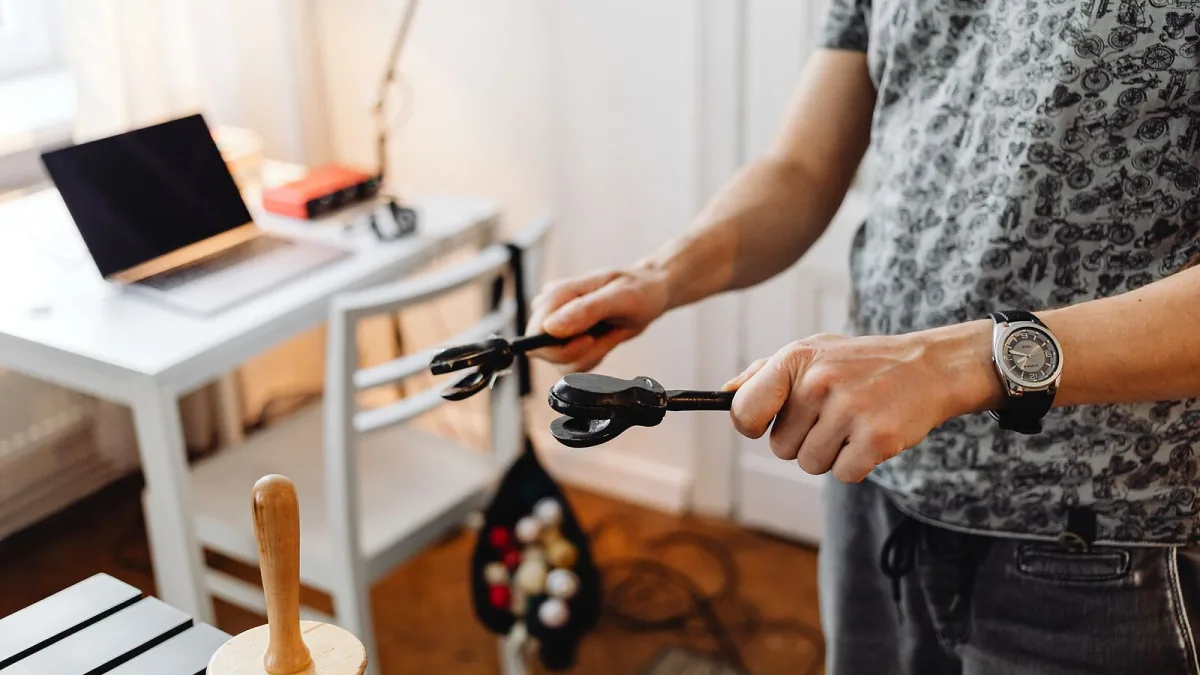
If someone has just handed you a pair of agogo bells and you are not entirely sure what to do with them, take a breath — this is one of the friendliest instruments in the whole percussion family to start on. No strings to tune, no reeds to worry about, and no need to read a note of music before you make a genuinely good sound. Here is a gentle, encouraging way in.
What You'll Actually Need
Not much, which is part of the appeal of learning agogo bells. A pair of them, a beater (wooden or plastic is friendliest while you're learning), and somewhere you don't mind making a bit of a racket. You do not need a stand, an amp, sheet music or any accessories beyond that to get going properly. If you do not own a pair yet, borrowing one from a friend, a local music group or a school percussion cupboard is a perfectly sensible way to try the instrument before committing to buy.
You Don't Need to Read Music to Start
This instrument has traditionally been taught by ear, passed from player to player as a repeating pattern rather than written notation. That is good news for you: your job at the very beginning is simply to listen, copy, and repeat, not to decode anything on a page. If you can clap along to a song on the radio, you already have the basic skill this instrument asks of you.
Getting Comfortable with the Grip
Hold the handle in whichever hand feels natural, and the beater in the other. The most common early mistake is holding the handle too tightly, which stops the bells ringing freely and leaves you with a dull, choked sound instead of the bright ring you are after. Let your grip relax a little more than feels instinctive, and you will hear the difference immediately.
Your First Simple Pattern
Start with just the two bells and nothing clever:
- Strike the larger, lower bell on a steady, even pulse — like a slow, calm heartbeat.
- Once that feels easy, add the smaller, higher bell in between each low strike.
- Say the pattern out loud as you play it — something like “low…high, low…high” — it genuinely helps.
- Only once that feels natural should you try varying the rhythm or adding a bit of syncopation.
There is no rush here. Musicians who play agogo bells professionally, in samba baterias and beyond, spent plenty of unglamorous hours on exactly this kind of basic repetition before it ever felt effortless.
The Nerves Everyone Feels (and Why They're Fine)
“I keep losing the beat”
Completely normal at the start. Slow everything down further than feels necessary, get comfortable there, and only then bring the tempo back up.
“My pattern sounds nothing like the recording”
Recordings are often the result of years of practice and, frequently, several takes. Comparing your first attempt to a finished professional performance was never a fair fight.
“I'm worried about damaging it”
A gentle wooden or plastic beater and reasonable care are all that is needed. You are extremely unlikely to break anything just by learning.
Practising Little and Often
Ten focused minutes most days will get you further than one long session at the weekend. Keep a simple routine:
- A minute or two of slow, steady single strokes to warm up.
- A few minutes on the basic high-low pattern from above.
- A minute trying it slightly faster than feels comfortable, just to stretch a little.
- Finish on whatever felt best that day, so you end the session on a small win.
Playing Along With Others
Once your basic pattern feels solid on its own, try playing your agogo bells against a recording of samba or Afro-Brazilian percussion, or alongside another instrument if you know someone else who plays. Locking your simple high-low pattern to someone else's pulse for the first time is a genuinely satisfying milestone, and it teaches your ear far more about timing than practising alone ever can. Do not worry if it feels wobbly to begin with; syncing with another player is a skill in its own right, separate from playing the pattern correctly by yourself. Plenty of people who now play agogo bells confidently in a group started out practising entirely alone in a bedroom.
When You're Ready to Explore Further
Once the basics feel steady and you're curious for more depth, our full overview of the agogo bell explains its history and how the samba bateria uses it. If you are thinking about buying your own pair, our buyer's guide and our round-up of the best options will help you choose sensibly rather than overspending too early.
The Bottom Line
Learning to play agogo bells well is far less intimidating than it looks from the outside, and it rewards patience more than natural talent. Relax your grip, learn one simple pattern by ear, practise in short regular bursts, and be patient with yourself while the basic feel settles in. Everyone who plays this instrument well started exactly where you are now.




Comments