


Tuba article
Tuba Explained: Features, Types and Tips
The deepest and largest instrument in the brass family, the tuba anchors every ensemble it joins. Here is how it works, the types available, and where it belongs in music.
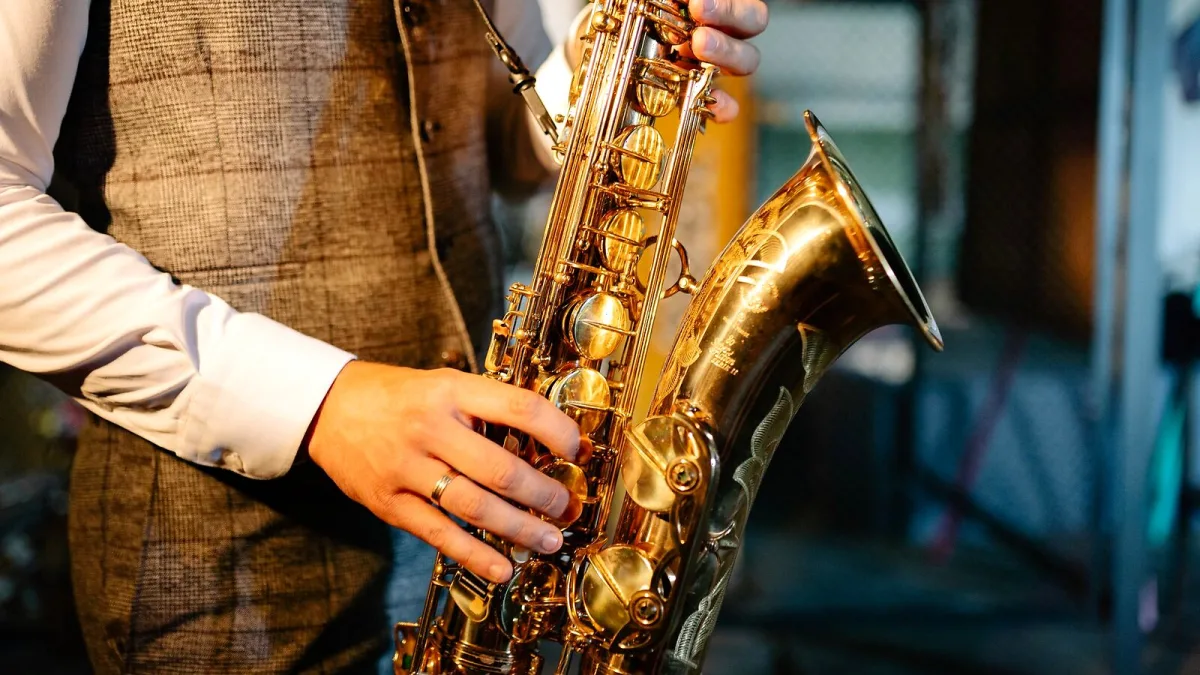
The tuba is the bass voice of the brass family — the deepest, largest and, to many ears, the most satisfying. It anchors every ensemble it joins, from the symphony orchestra to the brass band and the military march. Despite its size and its association with comedy in popular culture, the tuba is a sophisticated instrument with a demanding repertoire and a significant body of dedicated players who understand what it can do.
What a Tuba Is
At its simplest, a tuba is a large, valved brass instrument that produces sound via the player's vibrating lips in the mouthpiece, with the resulting buzz amplified through a long conical tube that flares into a wide bell. The tube length determines the fundamental pitch; valves add extra tubing to lower it by specific intervals. Most instruments in this family have three, four or five valves, allowing chromatic playing across the full range.
The mouthpiece is notably large — larger than any other common brass instrument — which partly explains the deep, rich tone. Beginners find the physical demands significant: the air column is long, the resistance is high, and maintaining a consistent tone at lower dynamic levels takes considerable breath control.
Types of Tuba
The BBb
The BBb (double B-flat) is the largest and lowest-pitched type in common use, and the standard orchestral and brass band bass instrument in the UK. It produces a very deep, full tone and is used in brass bands, wind bands and some orchestral contexts. The size makes it physically demanding to hold and play for extended periods.
The CC
The CC is the orchestral standard in America and much of continental Europe. Slightly smaller than the BBb (though still large), it has a somewhat brighter, more focused tone that cuts through an orchestra clearly. Most professional orchestral tubists in the world's leading orchestras use a CC instrument.
The Eb
The Eb (E-flat) is smaller and higher-pitched than the BBb, and is the standard instrument in British brass bands for the tenor part. It is also frequently used as a student or smaller-player instrument, as the size and weight are more manageable. Eb instruments appear in brass bands, wind bands and some orchestral parts.
The F
The F instrument is the smallest and highest of the family, used primarily for solo and chamber music where its more focused, agile character is an advantage. Specialist players and those performing the solo concerto repertoire often use an F for its lighter handling and clearer projection in solo contexts.
Valve Types
Two valve systems are common: rotary valves and piston valves. Rotary valves (common on German and orchestral instruments) rotate when pressed, offering a smooth, even action well-suited to legato playing. Piston valves (standard on British brass band instruments and most student models) move up and down when pressed, giving a more direct, immediate feel. The choice affects both the feel of playing and the overall sound character of the instrument.
The Tuba in Music
In the symphony orchestra, the bass line of the brass section anchors harmonies and provides weight to climactic moments. In British brass bands, two BBb bass instruments (alongside two Eb basses) form the rhythmic and harmonic foundation. Military bands, wind orchestras, jazz and chamber ensembles all use it in different ways. As a solo instrument the tuba is less frequently heard but has a growing concerto repertoire, including Vaughan Williams' 1954 concerto — one of the major works written specifically for the instrument.
For guidance on choosing an instrument, the buyer's guide covers what to assess at each price point. If you are starting out, the beginner's guide explains what to expect in the early stages.
The Bottom Line
The tuba is irreplaceable in ensemble music — when it plays, every other instrument finds its place more easily. It is physically demanding but enormously rewarding, and players who commit to it tend to find the instrument a lifelong partner in music-making.




Comments