


Piccolo Trumpet article
Piccolo Trumpet: A Complete Guide
The smallest trumpet in regular professional use: what a piccolo trumpet is, how it works, who plays it and why it matters in the orchestral and baroque world.
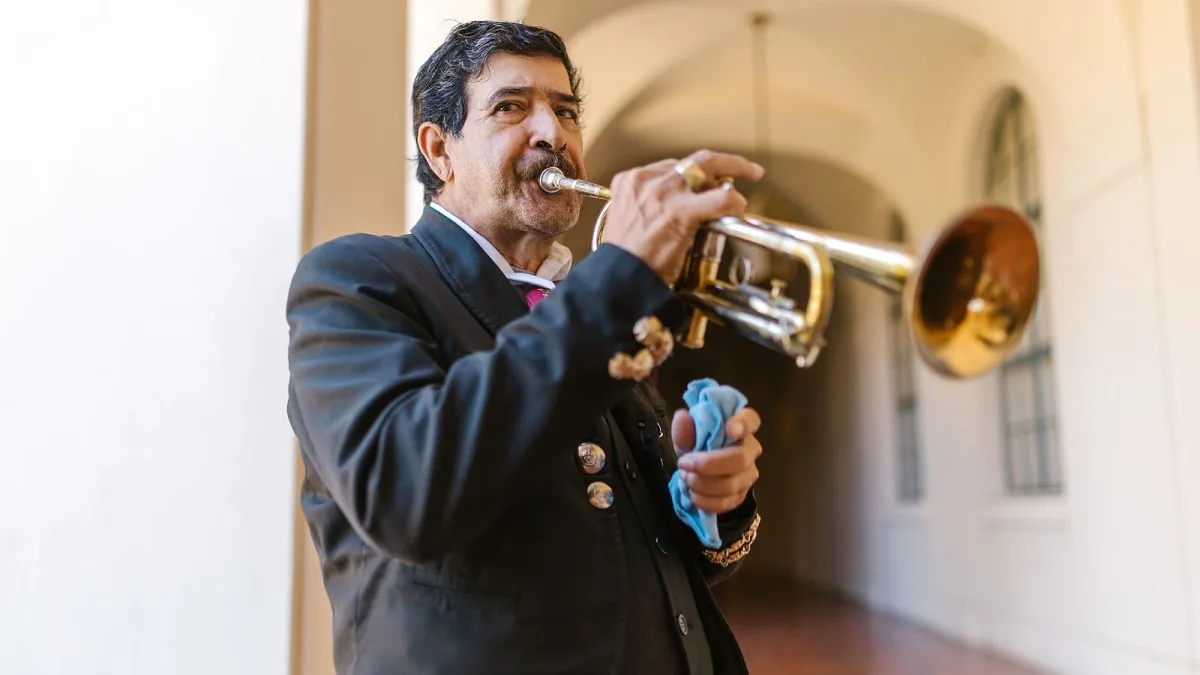
A piccolo trumpet is the smallest member of the trumpet family in regular orchestral and professional use, pitched a full octave above the standard Bb trumpet. It is primarily associated with baroque repertoire — Bach and Handel in particular — and with moments in orchestral and pop music that demand a bright, penetrating sound in the extreme upper register. The most recognisable moment in popular music is the obbligato line on the Beatles' "Penny Lane", played in 1967 by David Mason on the instrument pitched in Bb.
Construction and Pitch
The instrument is typically supplied with two interchangeable leadpipes, one pitched in Bb and one in A. The Bb leadpipe is standard for most playing contexts; the A leadpipe lowers the pitch by a semitone and is used when matching baroque orchestras tuned to A=415 Hz, or when the repertoire calls for it. Most instruments have four valves rather than three: the fourth valve provides an additional whole-tone route for improved intonation on passages that would otherwise require slide compensation on a three-valve instrument.
Tone and Character
The sound of a piccolo trumpet is distinctly bright and focused. Because the instrument is smaller and the bore proportionately narrower, the overtone spectrum emphasises higher partials, giving the sound its characteristic clarity and penetration. This quality suits baroque ornamentation and sustained melodic lines in the upper register, where a standard trumpet would be forced and effortful. In the right hands, the instrument sounds natural and lyrical at heights that would be unreachable on other brass instruments.
Who Plays It
It is an advanced specialist instrument, not a starting point for a brass player. It demands a well-developed embouchure — the muscles around the lips that control airflow and pitch — and an established technique on standard trumpet or cornet. Most professional orchestral trumpeters add the piccolo to their playing over many years of development. Solo performers such as Alison Balsom and Håkan Hardenberger have made the instrument a concert centrepiece, demonstrating its range from baroque to contemporary repertoire.
Key Makers
The most widely used professional piccolo trumpets include the Schilke B6L, the Bach 238, the Yamaha YTR-9835 and the Getzen Eterna. Each differs in bore profile, bell dimensions and valve action, but all are designed around the same fundamental requirement: reliable intonation, responsive valve action and a consistent tone across the full playing range. Mouthpiece selection is critical and differs from standard trumpet mouthpieces; commonly recommended options include the Schilke 11A4A and the Denis Wick 1FL.
The Bottom Line
For an experienced brass player ready to extend their range and take on baroque or high-register specialist work, the instrument opens a distinct body of repertoire and a range of musical possibilities unavailable on any other instrument. For a guide to choosing a model, see our piccolo trumpet buyer's guide.


Comments