


Baritone Horn roundup
Baritone Horn: A Complete Buyer's Guide
A baritone horn should last a decade with good care. This guide covers the criteria that actually matter — bore, valves, finish and fit — before you commit.
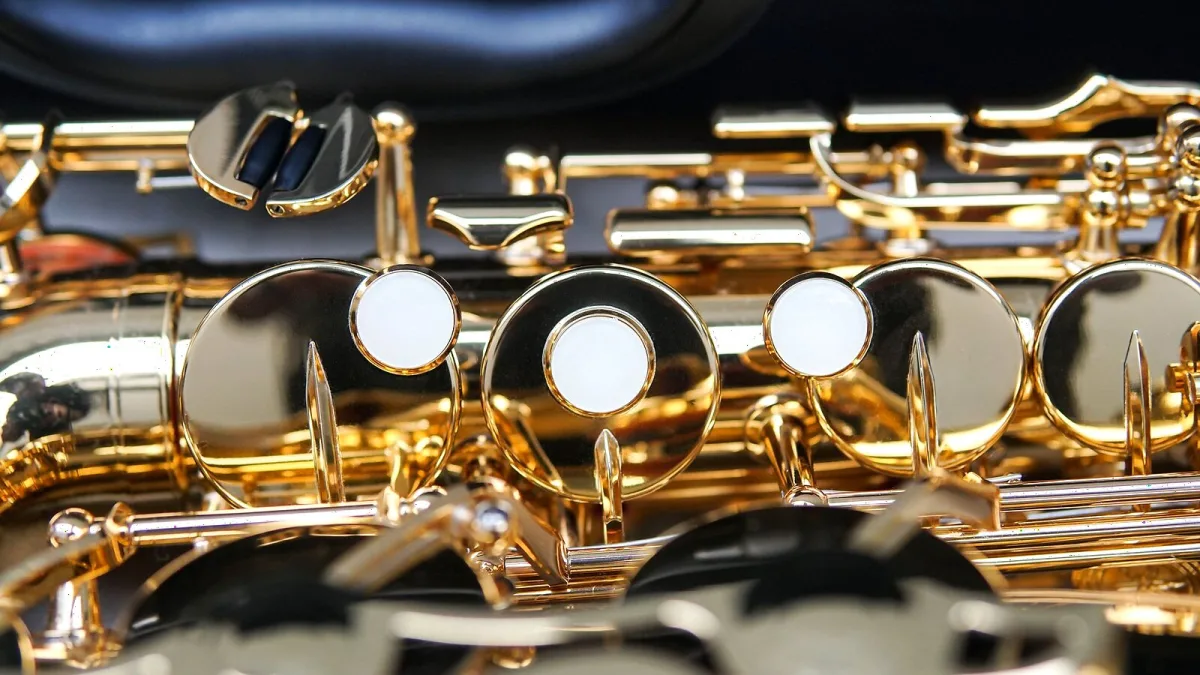
Buying a baritone horn is a more considered purchase than most musical-instrument acquisitions. The instrument will, with reasonable care, last a decade or more; a poor choice early on can hamper a player's development in ways that only become apparent once the damage is done. This guide sets out the criteria that actually matter — bore, valves, finish, mouthpiece compatibility — and what to check before committing to any model.
Establish What You Actually Need
Before looking at any specific instrument, clarify the context. Is this for a school band programme? A British brass band? A marching ensemble? A home practice instrument? Each context has different requirements:
- School and educational settings call for durable construction, reliable valves, a manageable wrap, and a reasonable repair support network. Tonal subtlety matters less than structural robustness.
- British brass bands typically distinguish baritone from euphonium sections. Confirm that the instrument you are considering is genuinely a baritone (predominantly cylindrical bore) rather than a compact euphonium sold under the "baritone" label.
- Marching use favours compact wrap designs, forward-facing or top-facing bell placement for projection, and robust lacquer finishes over silver plate, which can be more vulnerable in outdoor conditions.
- Concert band or solo study may allow larger bore instruments with more tonal breadth, though many players find the baritone's characteristically focused tone quite adequate for these contexts.
Bore Size: The Most Important Specification
Bore size — the internal diameter of the instrument's tubing — is the single most consequential specification. A smaller bore produces a more focused, brighter tone that responds easily and projects crisply. A larger bore offers more breadth and volume potential, but demands more air and embouchure control.
For student players and those new to the baritone horn, a smaller bore instrument is usually the better choice. It rewards correct air support and embouchure formation without requiring the sustained physical demands of a larger instrument. More advanced players may prefer a wider bore as their technique develops and their musical requirements become more demanding.
Be aware that the baritone horn varies considerably considerably in bore diameter. If the specification matters to you — and for ensemble placement in particular it should — obtain the exact bore measurement in millimetres from the manufacturer or dealer before purchasing.
Valves: Action, Materials and Count
The valve action is one of the first things you can assess when handling a baritone horn. Press each valve in turn: it should move smoothly and return crisply without sluggishness, wobble or lateral play. A stiff valve on a new instrument suggests a quality-control issue; a stiff valve on a used instrument indicates either a maintenance problem or internal damage.
The baritone horn typically comes with three piston valves, which provide the full chromatic range needed for standard repertoire. Four-valve models exist and offer improved intonation for specific note combinations, particularly in the lower register. For a student or intermediate player, three valves are generally sufficient. A fourth valve becomes meaningful when the player has reached a level of sophistication where the fine intonation differences between valve combinations become audible and relevant.
The materials used in valve construction vary. Higher-quality instruments use closely toleranced valve cylinders with consistent gaps, producing more reliable action over time. Cheaper instruments often produce perfectly adequate valve action when new, but may become unreliable sooner as wear accumulates.
Finish: Lacquer or Silver Plate?
Instruments come in lacquered brass or silver-plated brass. Both are aesthetically appealing; both protect the underlying metal. The practical differences are modest but worth noting:
- Lacquer is generally more resistant to marks and easier to clean. It is a robust everyday finish, particularly suitable for school and marching use.
- Silver plate is traditional and visually distinguished. It requires different maintenance — dedicated silver polish rather than brass cleaner — and can tarnish if neglected. It is often preferred for concert and ensemble presentation.
Neither finish produces an audibly different tone in the opinion of most players and makers. Tonal differences attributed to finish are subjective and not well-supported by controlled tests. Choose on the basis of aesthetics and maintenance preference.
Mouthpiece Compatibility
The mouthpiece must match the instrument's receiver. The baritone horn typically uses a small-shank mouthpiece receiver; euphoniums more often use a large-shank receiver. Forcing a mismatched mouthpiece into the wrong receiver can damage both components. When purchasing, confirm whether the instrument requires a small-shank or large-shank mouthpiece and purchase accordingly.
Entry-level instruments often include a starter mouthpiece. For serious study, the included mouthpiece is a starting point rather than a permanent choice. A qualified teacher or specialist brass dealer can recommend a mouthpiece appropriate to the player's embouchure and musical context. The Bach 6½ AL is commonly associated with baritone and euphonium playing and represents a reasonable starting specification.
New vs Used Instruments
A used instrument in good condition represents genuine value, but requires careful inspection. When examining a used instrument:
- Check all valve action and slide movement
- Look for dents, particularly around the bell and leadpipe
- Inspect solder joints for cracks or separation
- Check water keys for sealing
- Have any uncertainty resolved by a qualified brass-instrument repair technician before purchase
A reputable dealer selling used instruments should be willing to address minor defects before completion of the sale. Private sales require more diligence from the buyer.
Manufacturers to Consider
Several established manufacturers produce student and professional instruments. Yamaha offers the YBH-301S as a current student model. Conn-Selmer produces the Conn CBH301, available in lacquer and silver-plated finishes with a compact wrap, small-shank receiver and included case. Besson maintains a long association with British brass-band instruments. Jupiter and Bach also offer instruments at various price points. The appropriate choice will depend on budget, intended use and regional availability.
For a broader understanding of the instrument before buying, the full overview is worth reading. For specific models by price tier, the best-for-the-money guide goes into more detail. And if you are a complete beginner, the beginner's guide covers what to expect in the first weeks of playing.





Comments