


Tin Whistle article
Tin Whistle Explained: Features, Types and Tips
The tin whistle is one of the most accessible traditional instruments — here is how it works, what keys are available and how it is played in folk traditions.
The tin whistle is a simple six-hole end-blown flute most commonly associated with Irish traditional music. It is one of the most accessible traditional instruments in the world — inexpensive, portable and capable of producing the full Irish repertoire in its home key. Understanding how it is made, played and used helps you choose the right instrument and approach.
Construction
A tin whistle is made from a cylindrical or conical tube with a mouthpiece (fipple) at one end and six finger holes. Cylindrical bore instruments (Clarke Sweetone, Feadog, most student models) are the most common. Conical bore instruments (Generation, some higher-end models) have a slightly different tone and response. The tube material varies — nickel-plated brass, aluminium, plastic and carbon fibre are all used in different models. The mouthpiece is a fixed plug with a windway cut to produce the tone when air is directed across the edge.
Keys and Sizes
The most common key is D, which suits the majority of Irish traditional music and is the standard learning key. Whistles are also made in C, Eb, F, G and other keys for different musical contexts. Most players start with D and add other keys as their repertoire expands. Low whistles (sometimes called low D or alto whistle) are longer instruments in D or other keys that sound an octave lower; they are used in Irish music for a darker, more mellow tone.
Technique
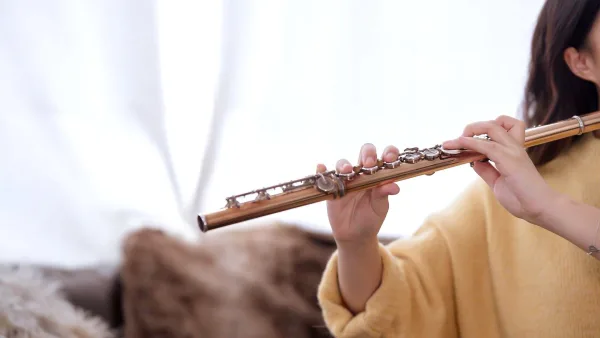
The tin whistle is played by covering and uncovering the six holes with the fingers while blowing gently through the mouthpiece. Overblowing — increasing air pressure — produces the second octave (an octave above the lower range). Ornaments are central to Irish playing: cuts, taps, rolls and slides are the primary ornamental techniques. These ornaments replace many of the expression techniques available on other instruments and are central to the style.
Repertoire and Tradition
The instrument is central to Irish traditional music but is also used in Scottish, English, Welsh and some world folk traditions. The Irish repertoire includes jigs, reels, hornpipes, polkas and slow airs. Learning tunes by ear — from recordings, other players or in sessions — is the traditional method. Many players never learn to read music and develop a full repertoire entirely by ear.
For guidance on buying, see the buyer's guide. For beginners, the beginner's guide covers the essentials.
The Bottom Line
The tin whistle is one of the simplest instruments to start but one of the most rewarding to develop. A D whistle is the standard starting instrument. The tradition is primarily aural — listening to great players and attending sessions is as important as practice time.




Comments