


Saxophone Stand article
Everything You Need to Know About Saxophone Stand
A saxophone stand protects the instrument between playing and keeps it accessible. This guide covers the main types, features to look for and the best brands available.
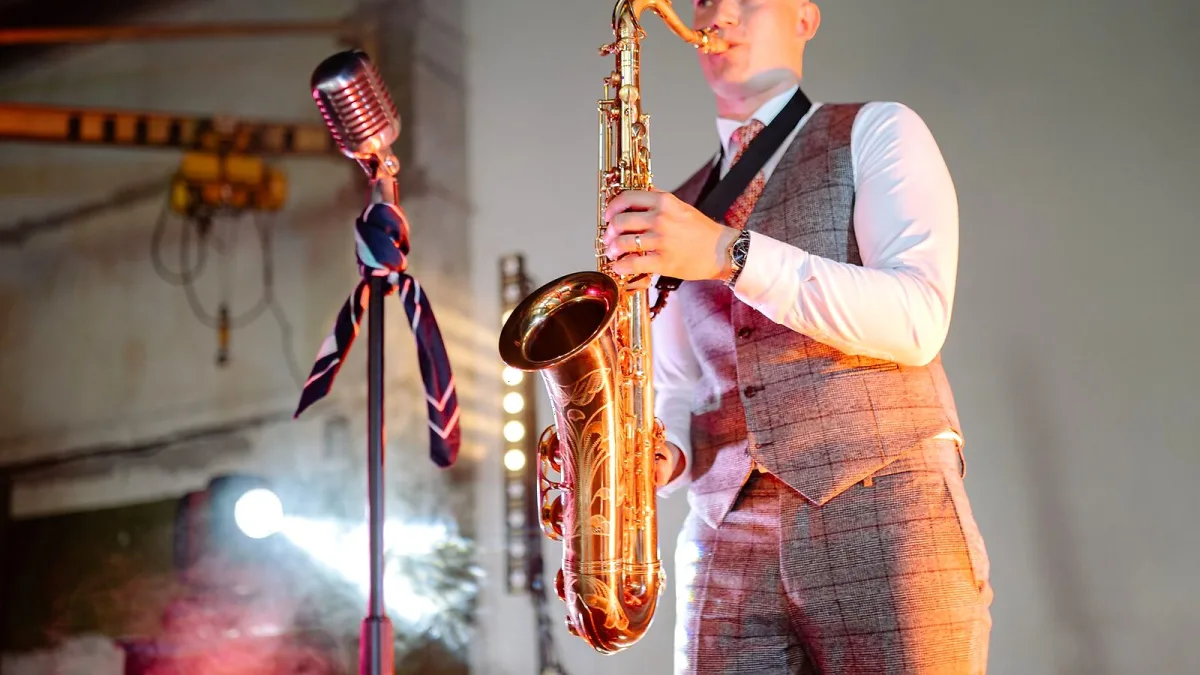
A dedicated saxophone stand is one of the most practical accessories a saxophonist can own — it keeps the instrument safe, accessible and off the floor during rehearsals, performances and practice sessions. Rebecca Turner covers the main types, key features and what to look for when choosing the right stand for your setup.
Why a Dedicated Stand Matters
Leaving a saxophone in its case between playing means constant assembly and disassembly — tightening the neck, attaching the mouthpiece and adjusting the strap every time you play. It keeps the instrument ready to play, protects it from being placed on unstable surfaces and significantly reduces the risk of the kind of knock or fall that causes expensive pad or key damage. For any saxophonist who practices regularly, a stand is an essential part of the setup rather than an optional extra.
Types of Instrument Stand
The most common design is the peg-style stand, where the saxophone hangs by its bell on a padded central peg. These are compact, affordable and stable on most floor surfaces. Tripod-base models offer greater floor stability and are better suited to stages or uneven surfaces. Multi-instrument stands hold two or more instruments simultaneously and are popular with doublers who switch between alto and tenor, or between saxophone and clarinet. Wall-mounted stands are also available for permanent home studio installations where floor space is a consideration.
Key Features to Look For
Padding is the most important feature of any instrument stand. The contact points — typically the bell rest and any peg or arm that the body rests against — must be properly cushioned to avoid marking or wearing the lacquer finish. Avoid stands with minimal or worn padding. Height adjustment is important for comfortable reach, particularly in a standing performance setup. Stability is determined by the spread and quality of the base; narrow-base stands can tip on thick carpets or uneven flooring. Folding and portability matter for working musicians who carry stands to gigs.
Recommended Brands
Hercules Stands produce some of the most respected designs available, including their DS531BB and DS432B models, which feature their Auto Grip System (AGS) for secure instrument retention. König & Meyer (K&M) manufacture robust, German-engineered stands including the 14300 and 14330, which are widely used in professional orchestral and session settings. On-Stage Stands offer affordable options that perform well for home and rehearsal use. Hamilton and Manhasset also produce reliable floor and multi-stand options used across educational and professional contexts.
Soprano, Alto, Tenor and Baritone Compatibility
Most stand designs are adjustable for alto and tenor. Soprano stands differ significantly — the soprano's straight or curved body means it rests differently, and a dedicated soprano stand or adapter is needed for most peg-style designs. Baritone stands must be substantially larger and heavier to accommodate the instrument's size and weight. Always check the manufacturer's compatibility specification before purchasing; a stand described as "universal" may not safely support a baritone.
Bottom Line
Any saxophonist who plays regularly will benefit from a dedicated saxophone stand for the instrument. For most players, a padded peg-style or tripod stand from Hercules or K&M at the mid-price range provides the best combination of security, stability and portability. For those who double on multiple horns, a multi-instrument stand is worth the additional investment.




Comments