


Cor Anglais Instrument article
Cor Anglais Instrument for Beginners: A Complete Guide
A patient, honest guide for anyone starting the cor anglais, whether from scratch or as a doubling oboist.
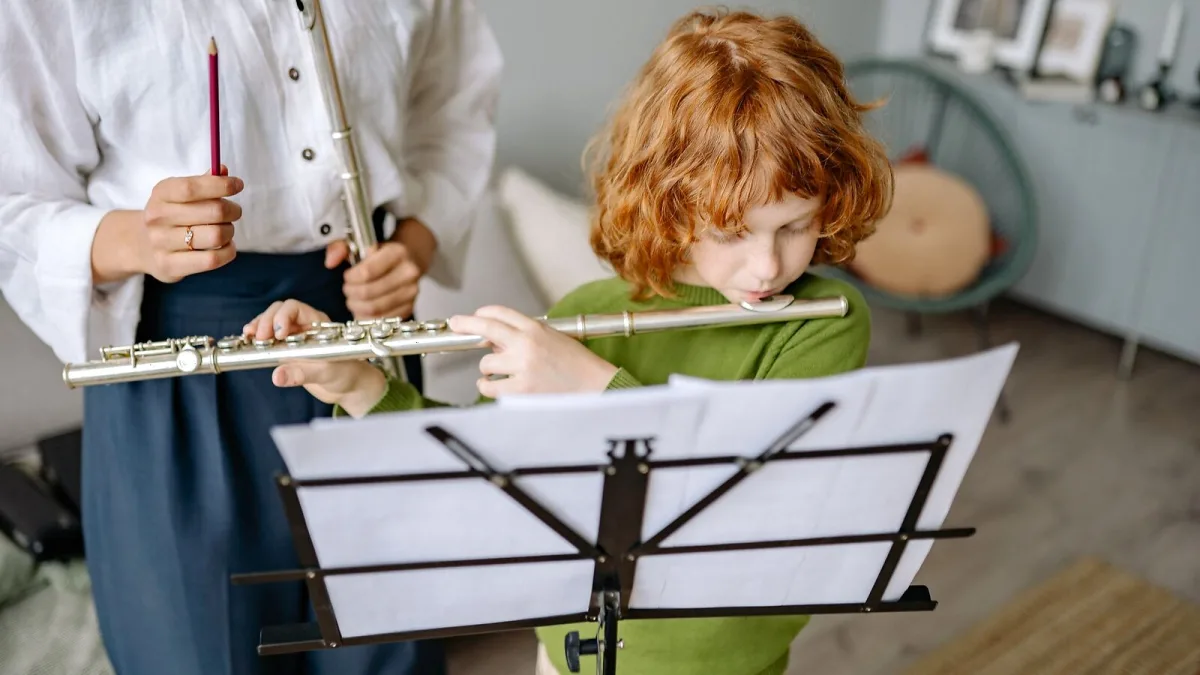
Let's start with an honest, reassuring answer to the question you're probably asking: yes, you can learn the cor anglais, but it helps enormously to know exactly what you're taking on before you begin. This guide walks through it patiently, step by step, with no assumption that you already know your way around a double reed.
Is This a Good First Instrument?
Honestly, for most people, not quite — and there's no shame in that. The vast majority of players come to it after already learning oboe, because the two instruments share so much technique: embouchure, breath control and reed management all transfer directly. That said, a genuinely dedicated beginner with a patient teacher can absolutely start here from scratch. It simply takes longer, and it's worth going in with realistic expectations rather than comparing your early progress to someone who already had years of oboe experience behind them.
What You'll Need to Build Alongside the Notes
Two skills matter more than anything printed on the page in your first months: breath control and embouchure, the way your lips and facial muscles grip and shape the reed. Neither comes quickly, and that's completely normal. Spend real time simply making a steady, clean sound before worrying about fingerings, scales or repertoire. A good tone built slowly is worth far more than a shaky one rushed along.
Making Peace With the Reed
If there's one thing that surprises every beginner, it's how much the reed itself controls your sound, sometimes more than anything you're actually doing. A cor anglais reed is wider than an oboe's and sits on a curved metal bocal, and small differences in the cane can make a session feel effortless or frustrating for reasons that have nothing to do with your playing. Don't panic if a reed that felt fine yesterday feels stubborn today — that's the nature of the material, not a sign you're doing something wrong.
What Your First Few Weeks Actually Look Like
Expect your early sessions to be almost entirely about sound production rather than music. You'll spend time simply holding a steady note, building the stamina to sustain it, and getting used to how much air the instrument actually needs compared with, say, a flute or clarinet. Reading the notes on the page tends to feel like the easy part once you're a few weeks in; producing a consistent, pleasant tone is genuinely the harder skill, and it's the one worth prioritising.
Simple Habits That Actually Help
- Practise little and often rather than in long, tiring sessions — the embouchure muscles fatigue quickly at first.
- Keep a couple of reeds in rotation rather than relying on just one, so a bad reed day doesn't derail your whole practice.
- Record yourself occasionally. It's uncomfortable, but it's the fastest way to hear what your teacher is actually hearing.
- Be patient with intonation. Because there's no simple tuning slide on this instrument, pitch is largely shaped by your reed, your air and your embouchure together.
If You're Already an Oboist
If you're coming to this as an experienced oboe player rather than a total beginner, the transition is genuinely faster, but it isn't instant. The bigger reed, the different air demands and a somewhat heavier instrument all take a little adjustment, even for someone with years of oboe technique behind them. Give yourself a proper settling-in period on long tones and simple exercises before jumping straight into orchestral parts, rather than assuming your oboe embouchure will transfer perfectly on day one.
A Reassuring Word on Pace
Every player who now sounds warm and confident on this instrument once sounded thin, breathy and uncertain, usually for longer than they expected. That stage is normal, not a sign you've chosen the wrong instrument. Progress on the cor anglais tends to arrive in small, steady increments rather than sudden leaps, and that's simply the nature of a double-reed instrument, not a reflection of how well you're doing.
The Bottom Line
Go in expecting a patient, gradual process focused on tone before technique, and you'll find the progress comes steadily. Once the basics feel comfortable, our ultimate guide to the cor anglais fills in the wider background, and when you're ready to buy your own, our complete buyer's guide and roundup of the best options cover exactly what to look for. It's also worth reading our list of common mistakes to avoid before you settle into a regular routine.



Comments