


Bass Clarinet Clarinets roundup
The Best Bass Clarinet Clarinets for the Money
Not one best buy — a best fit for each level. Here's what genuinely represents good value from a first school instrument to a professional low-C.
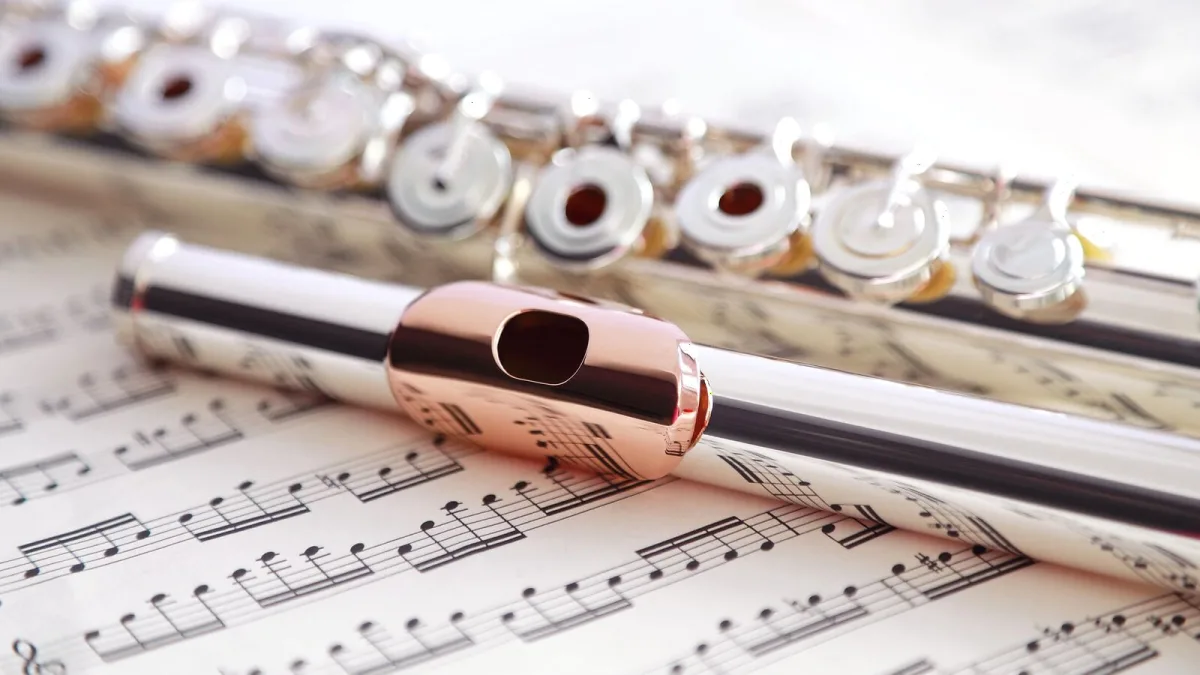
"Best" is a word that needs pinning down before it means anything here. A school beginner, a community-band regular and an orchestral player chasing a professional low-C bass clarinet are all shopping in entirely different worlds, even though they're technically buying the same family of instrument. So rather than crown a single winner, here's what genuinely represents good value at each stage.
What "Value" Actually Means at Each Level
Value isn't simply the lowest price on the shelf — it's consistent keywork, a sound bore, and a build that holds up to the way you'll actually use it. A student instrument that regulates reliably and takes a beginner's rough handling is better value than a sensitive professional model that goes out of adjustment every term.
Entry Level: Reliable Student Bass Clarinets
At this stage, look for a low-E♭ bass clarinet with solid, simple keywork rather than any bells and whistles — resin or composite bodies are a genuinely sensible choice here, since they shrug off temperature changes and the odd knock far better than wood. Manufacturers with long-standing student lines, including Yamaha and Buffet Crampon's own entry models, are a safe starting point precisely because parts and repair support are easy to find later.
Stepping Up: Intermediate Instruments
Once a player has outgrown a basic student setup, an intermediate bass clarinet typically brings tighter keywork tolerances, better intonation consistency across registers, and sometimes the option of low-C range without moving fully into professional pricing. This tier rewards patience — trying several instruments back to back, rather than buying on spec alone, tends to reveal real differences that a brochure never will.
Professional Low-C Bass Clarinets
For orchestral work or serious contemporary repertoire, a professional low-C bass clarinet from a maker like Selmer Paris, Backun or Buffet Crampon's top lines is less a luxury than a practical requirement — auditions and professional parts routinely call for that extended range. At this level, differences between makers and even between two examples of the same model become genuinely audible, so play-testing in person matters more than ever.
Where to Spend If Your Budget Is Tight
- First instrument, school use: a reliable low-E♭ student model, resin or composite body.
- Community band, growing skill: a well-reviewed intermediate model, tested against at least one alternative.
- Orchestral or advanced repertoire: a professional low-C instrument, budget allowing, or a well-inspected used one.
- Any level, tight budget: spend on a proper mouthpiece and reed trial before chasing a pricier body.
Don't Underspend on the Small Stuff
Whatever tier you land on, a cheap or ill-fitting mouthpiece and the wrong reed strength will undermine even a genuinely good bass clarinet. Plenty of players chase a pricier body when the real improvement was sitting in a box of reeds all along.
The Bottom Line
The best choice is the one that matches your actual level and repertoire, not the most expensive badge you can stretch to. For the fuller picture of how the whole family fits together, read our instrument explainer. Ready to look at specific features rather than price tiers? See our buyer's guide. New to the instrument entirely? Start with our beginner's guide, and once you've bought, it's worth reading the common mistakes to avoid.



Comments