
Viola roundup
What to Look for When Buying Violas
Choosing a viola is quietly trickier than choosing a violin — there's no standard size, and setup matters enormously. Here's what actually counts when you buy one.
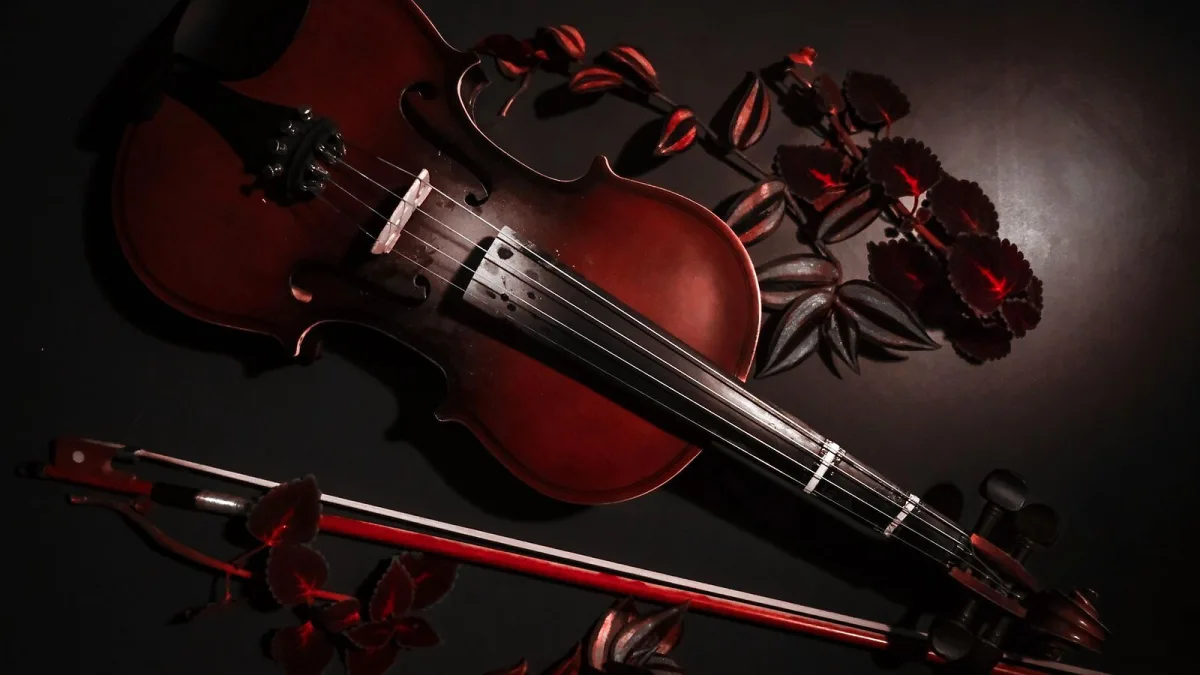
The viola has long been the good-natured butt of orchestral jokes, but any player who has fallen for its warm, alto voice knows better. Choosing one, though, is quietly trickier than choosing a violin — there is no single standard size, and setup matters enormously. Let me talk you through what actually counts when you buy a viola, whether it is your first or your fifth.
First principles: fit and setup over labels
The single most useful thing I can tell you is this: judge a viola by how it fits, how well it has been set up, how easily it plays and how it sounds — not by the name on the label or how handsome it looks. A modest instrument that has been properly adjusted will serve a learner far better than a grand-sounding bargain that fights them at every turn.
Getting the size right
Unlike the violin, the viola has no universally agreed “full size.” Sizes are measured by body length (the body only, not the neck), and adults commonly play anything from 15 to 16.5 inches.
| Viola size (body length) | Typically suits |
|---|---|
| 11–12 in | Young children |
| 13–14 in | Older children and smaller players |
| 15 in | Teenagers and smaller adults |
| 15.5–16 in | Many teenagers and adults |
| 16.5 in | Larger players comfortable with a long instrument |
Treat those figures as a starting point, not gospel. A rough test is to hold the instrument in playing position and reach the left hand around the scroll (the carved head at the top of the neck) with a slight bend still in the elbow — no stretching, no hunching the shoulder. Crucially, bigger is not better: a well-made 15-inch instrument that sits comfortably under the chin will out-play an unwieldy 16.5-inch one that leaves you aching after ten minutes. Comfort protects your technique and, frankly, your neck.
Listening properly
Play every string — the open strings and stopped notes high and low — and listen for an even voice from the deep C string up to the bright A. You want:
- A clear, focused C string (the viola's glory, and where cheap instruments often turn to mud).
- Warmth without woolliness, brightness without harshness.
- An immediate response when you play softly.
- Projection without you having to force the bow.
- Notes that keep ringing after the bow leaves the string.
A viola can sound quite different under your ear than it does from across the room, so if you can, have someone else play it while you listen from a few metres away. Trust the sound at a distance — that is what an audience hears.
Why setup can matter more than the maker
A great deal of an instrument's playability comes down to setup — the fine adjustments a technician makes — rather than the instrument itself. Before buying, have a qualified luthier (a stringed-instrument maker and repairer) check:
- The bridge — the wooden arch holding the strings up — is correctly fitted, upright and well shaped.
- The soundpost — the small dowel wedged inside that carries the sound — is snug and correctly placed.
- The string height is not so high that pressing the strings down is a workout; a big gap between strings and fingerboard makes an instrument genuinely harder to play.
- The pegs turn smoothly and hold their pitch, and the fingerboard is evenly dressed.
- There are no open seams or cracks that will cost you later.
A cheap outfit that immediately needs a new bridge, a soundpost adjustment, fresh strings and peg work is rarely the bargain it first appears.
What they are made of
Most violas follow tradition: a spruce top, maple back, ribs and scroll, and ebony for the fingerboard and pegs. But the wood alone tells you little — the arching, graduation (how the plates are thinned), workmanship and setup decide how it sounds. Treat phrases like “aged wood,” “concert quality” or “professional tone” as sales copy until a good pair of ears confirms them.
New, used, or rented?
For a child or a brand-new player, renting is often the wisest first step: good rental schemes include maintenance and let you swap sizes as a young player grows, which spares you buying a fractional-size viola they will outgrow in a year. Buying makes more sense once the player has settled at a stable size, a teacher has blessed the choice, and the shop offers a trial, return or trade-in.
A used viola can be excellent value and often sounds more settled, but ask for a written condition report, its repair history, and a trial period — and have anything expensive independently inspected. Interior labels, by the way, prove very little; they are easily copied, so never let a label do your listening for you.
Don't forget the extras
The right chinrest and shoulder rest can transform how an instrument feels, and good strings can noticeably lift a modest instrument. Factor a decent case and a workable bow into your budget too — they are part of the instrument's comfort and protection, not afterthoughts.
The bottom line
Buy the viola that fits your body, has been set up with care and sings evenly across all four strings — ideally chosen with your teacher's ear and a luthier's eye alongside your own. Get those three things right and you will have an instrument that encourages you to practise, which is the only thing that ever truly makes a player. The jokes, you will find, bother you not at all.



Comments