
E Bow roundup
E Bow: A Complete Buyer's Guide
Not a pedal, not a pickup modification, but a small handheld device whose entire purpose is to sustain one string through magnetism.
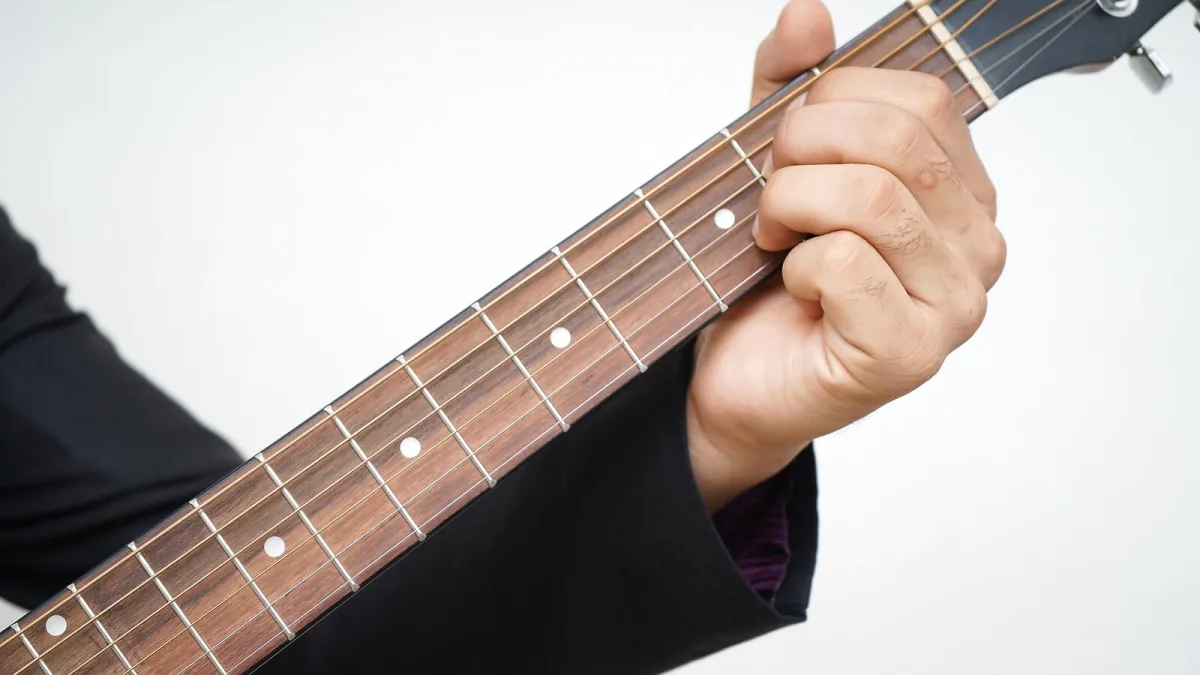
Before adding an E-Bow to your collection of guitar tools, it is worth understanding precisely what kind of instrument you are acquiring — not a pedal, not a pickup modification, but a small handheld device whose entire purpose is to sustain one string at a time through magnetism. Knowing that shapes almost every decision that follows.
Understand what you are actually buying
Unlike a built-in system such as the Fernandes Sustainer, which is wired directly into the guitar itself, an E-Bow is an entirely external, handheld unit. It is held in the picking hand and positioned over a chosen string, which means it replaces conventional picking rather than sitting alongside it. That distinction matters enormously: you are not buying an effect that colours your existing playing, but a genuinely different way of sounding a note.
Standard E-Bow or the Plus version
The most consequential purchasing decision is between the simpler standard model, which offers one sustained tone, and the Plus version, which adds a selectable harmonic mode alongside the standard setting. If you expect to want both a smoother, fundamental-led sustain and a brighter, overtone-rich alternative for different musical moments, the additional mode is worth the extra outlay. If your interest is purely in long, simple sustained notes or drones, the simpler model may serve you perfectly well.
| Consideration | Question worth asking |
|---|---|
| Standard vs Plus | Do you need a brighter, harmonic-rich alternative mode? |
| Guitar compatibility | What pickups, string gauge and setup do you already have? |
| Playing style | Are you after drones, melodic lines, or occasional colour? |
| Instrument | Guitar, bass, or both? |
What your existing guitar brings to the equation
The device does not produce an identical result on every instrument. Pickup type and position, string gauge, action and how your amplifier is set all shape the eventual tone considerably, in much the same way a fine bow responds differently across different instruments and strings. A neck pickup tends to yield a rounder result; a bridge pickup, something brighter. None of this is a defect to be corrected — it is simply the nature of a device that works in partnership with whatever instrument it meets.
Consider the demands on your technique
Because the device occupies the picking hand entirely, ordinary picking and this technique cannot be used simultaneously, at least not without considerable practice switching between the two. Before buying, be honest about whether you are prepared to develop a genuinely new physical skill, since positioning accuracy matters rather more than most newcomers expect on first handling one.
Guitar or bass?
While most documented use concerns the electric guitar, the same principle can be applied to bass, though string spacing, gauge and the lower frequencies involved mean the response and technique required differ somewhat from guitar. If bass is your primary instrument, expect a slightly longer period of experimentation to find where an E-Bow responds most strongly.
Care and upkeep
An E-Bow is a simple device mechanically, but it still deserves basic care. Keep a spare 9-volt battery to hand, since a weakening battery affects performance well before it fails completely, and store the unit somewhere it won't be knocked or dropped, as its guide rails need to stay properly aligned to sit cleanly over a string. None of this is demanding, but a little consistency saves an inconvenient surprise mid-session.
Set realistic expectations
This is not a device that will make every guitar sound identical, nor will it replicate a genuine bowed string with total fidelity — it produces something distinctly its own, closer in spirit to a bowed instrument than to a plucked one, but not interchangeable with either. Approaching the purchase with that understanding will save considerable disappointment. Our overview article covers the history and mechanics in fuller detail, and our guide to value across the range is worth reading before you decide between models.
The bottom line
Decide between the standard and Plus versions based on whether you genuinely need the harmonic mode, be realistic about the technique required, and remember that your own guitar shapes the result as much as the device itself. If you are entirely new to the idea, our beginner's guide is the more forgiving place to start.






Comments