


Electric Fiddle roundup
Electric Fiddle: A Complete Buyer's Guide
Pickups, preamps, four strings or five, and a few brand names worth knowing — here's what genuinely matters before you buy.
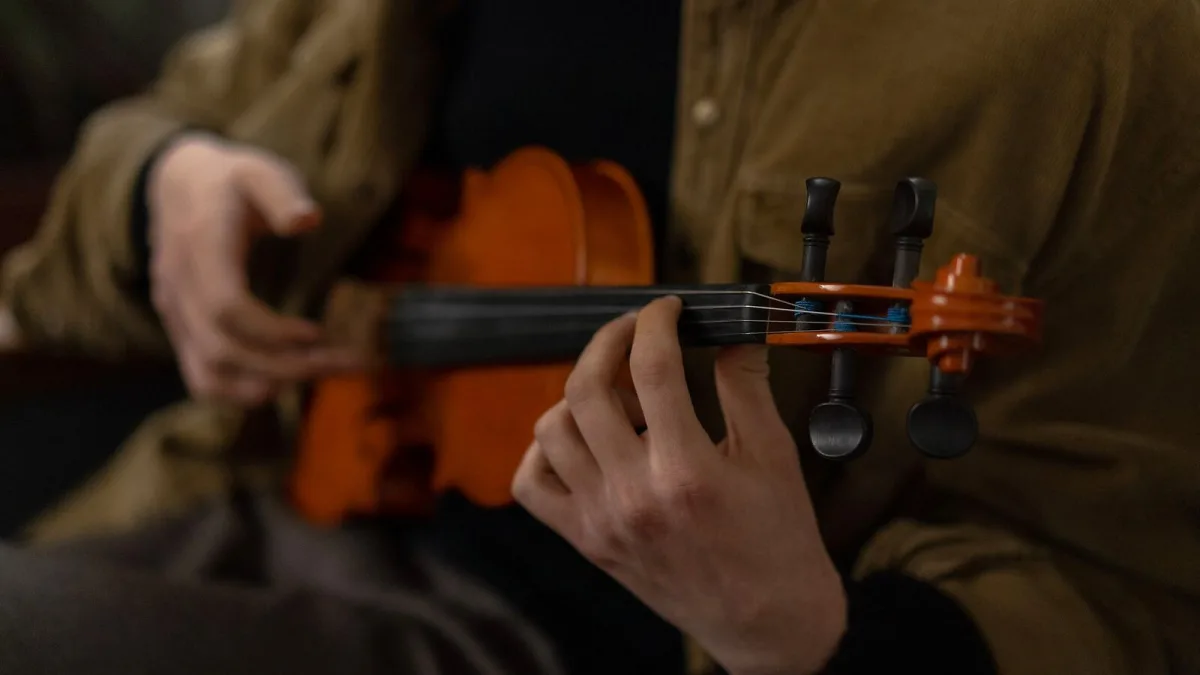
Buying your first electric fiddle can feel like wading into a subject nobody warned you was this deep — pickups, preamps, five strings versus four, and a fair few brand names you've never had reason to learn. Take a breath. Most of it comes down to a handful of real decisions, and once you've made them, the rest falls into place. Here's what actually matters.
Converting Your Fiddle, or Buying Purpose-Built?
The first fork in the road, when you're shopping for an electric fiddle, is whether you fit a pickup to the fiddle you already own, or buy an instrument built from the ground up for amplification.
- Converting an acoustic instrument keeps the feel and response you're used to, and it's often the more affordable option — you're only paying for the pickup and fitting, not a whole new fiddle. Have the bridge work done by a qualified luthier, especially if it needs cutting or replacing.
- A purpose-built instrument usually offers lower acoustic volume off the body, better resistance to feedback, and sometimes extras like multiple outputs, onboard controls or a headphone jack for silent practice. The trade-off is that some solid-body designs feel and respond differently under the bow than what you're used to.
Pickup Types, Compared
This is the decision that shapes an electric fiddle's sound more than anything else on the instrument.
| Pickup type | Strengths | Watch out for |
|---|---|---|
| Piezoelectric | Excellent feedback resistance, strong attack, reliable on loud stages | Can sound direct or "quacky" if not equalised |
| Microphone | Most natural tone | Prone to feedback and stage-movement issues |
| Magnetic | Warmer, more electric-guitar-like character, effects-friendly | Less common; conventional strings don't always interact strongly with it |
Piezo is by far the standard choice for players who need volume and reliability over a natural acoustic character — which is most players, most of the time.
Names You'll Come Across
You don't need to memorise a shopping list, but a few names turn up again and again while you browse:
- Yamaha — the YEV series is well regarded, and notably uses a passive pickup that needs no battery.
- Zeta and Fender — both offer purpose-built electric violins; check current catalogues, as availability shifts.
- Fishman, Barcus Berry and L.R. Baggs — established names in pickup and preamp systems for acoustic instruments.
- Barbera — bridge-integrated pickups regarded as a high-end option.
- Kremona — often recommended for solid tone at a friendlier price.
Four Strings or Five?
Most players will never need to think twice about this — a standard four-string setup does the job. But a five-string model, which adds a low C string beneath the usual G, has genuine appeal for folk, bluegrass, jazz and crossover players after a richer, more cello-adjacent register and fuller double stops. It comes with trade-offs, too: a wider neck, different bow clearance, and a bit more setup complexity, especially in the low end.
What Else You'll Need
An instrument on its own won't get you far. Budget for a decent cable, and ideally a preamp or DI box — piezo pickups generally want a high-impedance input, and skipping this step is a common way to end up with a thin, harsh sound. Once you've chosen your instrument, our guide to setting everything up correctly walks through the full signal chain.
What About Price?
Electric fiddle pricing varies a great deal by construction, electronics and brand, running from simple entry-level instruments up to professional models with custom bridges and onboard preamps costing several times as much. Treat any figure you see quoted online as a rough guide rather than gospel, and compare like for like — a converted acoustic fiddle and a top-tier purpose-built instrument are simply not the same purchase.
Bottom Line
Choosing an electric fiddle comes down to two real decisions: convert or buy new, then pick your pickup type with your playing situation in mind rather than the flashiest spec sheet. Everything else — strings, string count, brand — is secondary to those two calls. If you're brand new to all this, our beginner's guide is a gentler starting point, and it's well worth reading up on the mistakes other buyers commonly make before you part with any money. For the fuller picture of what the instrument is and where it's used, see our complete overview.





Comments