


Cello Strings roundup
The Best Cello Strings for the Money
The most expensive set is not always the most appropriate. Here is where the money actually goes — and where it does not need to — across every budget tier.
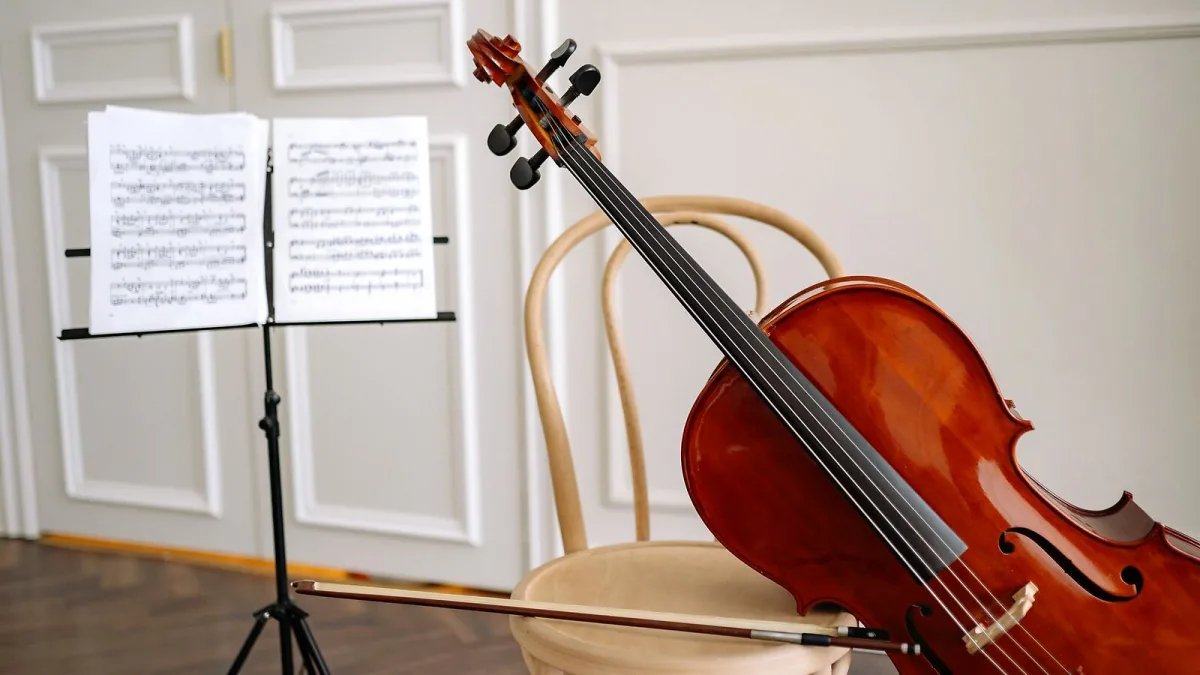
Choosing cello strings on a budget does not mean accepting a compromise. The most expensive sets are not always the most appropriate, and several highly regarded options occupy the middle and lower tiers for compelling technical reasons. What follows is a clear assessment of where the money actually goes — and where it does not need to.
The Best Cello Strings at Student Level
D'Addario Prelude — Reliable Consistency
D'Addario Prelude strings use a solid-steel core wound with nickel. They are designed explicitly for student use: straightforward to install, quick to settle at pitch, and resilient to the variable conditions of teaching rooms and practice spaces. They are not strings that reward subtlety of technique, but they are strings that function correctly and consistently. For a student instrument, that reliability is the appropriate priority.
D'Addario Pro-Arté — A Step Towards Feel
The Pro-Arté range uses a solid-steel core but adds more attention to the winding construction, producing a slightly more responsive feel under the bow than Prelude. Still firmly in the student category and an appropriate choice for instruments that are not yet set up to reveal the character of more expensive strings.
The Best Cello Strings at Intermediate Level
D'Addario Helicore — The Flexible Steel Option
Helicore uses a stranded multi-wire steel core wound with titanium, and they are noticeably more flexible than a solid-steel construction. This makes them easier to play and produces a more rounded tone than many steel-core alternatives. They hold pitch well, have a reasonable break-in period, and represent an honest intermediate purchase. The tension options (light, medium, heavy) allow some matching to instrument and setup.
Thomastik-Infeld Dominant — The Established Standard
Dominant cello strings use a synthetic core wound with chrome steel. They have been in use at professional level for decades and remain among the most widely deployed strings in educational and semi-professional contexts. The A string is identified as synthetic core with chrome winding; the lower strings vary by tension and individual specification. Dominant is predictable in the best sense: its character is well understood, its performance is documented over many years, and it is available reliably worldwide. At this price tier, it is the point of reference against which other intermediate sets are typically compared.
Thomastik-Infeld Dominant Pro
A newer development from Thomastik-Infeld, Dominant Pro maintains the synthetic-core approach of original Dominant while revising the construction across the set. Published tension figures show medium sets at approximately 59.6 kg total — slightly higher than original Dominant. Tonal character is broadly similar but with refinements in projection and response that make it worthwhile for players who have already maxed out what original Dominant can offer.
The Best Cello Strings at Professional Level
Larsen Original — Clarity and Projection
Larsen Original strings are widely used at the professional level, particularly for their reliable projection and focused tone. Larsen publishes construction documentation on their website, which identifies specific core and winding materials per string. The A and D strings are frequently used by soloists and section players; the G and C are sometimes paired with other manufacturers' lower strings in mixed sets. The Soloist variant offers a different tension profile and character suited to instruments with particular resonance characteristics.
Thomastik-Infeld Peter Infeld — Tonal Complexity
Peter Infeld strings use a spiral-core construction on the lower strings, with tungsten/chrome winding on G and C. Published tension figures for the medium set are approximately 60.5 kg — among the higher values in the Thomastik-Infeld range. The resulting strings are substantial under the bow and produce a tonal complexity that suits solo and chamber playing contexts. The platinum A string is an optional upgrade within the set. These are strings for instruments and players capable of making use of the additional subtlety they offer.
Pirastro Evah Pirazzi — Power and Warmth
Evah Pirazzi strings are frequently encountered in professional orchestral and solo settings for their combination of power and warmth. The lower strings use a rope core with tungsten winding; the upper strings differ in construction but maintain a consistent tonal character across the set. They are available in multiple tension options. Players who find them brilliant on one instrument may find them overpowering on another — like all professional strings, they require matching to the specific cello.
Pirastro Flexocor Deluxe — Orchestral Clarity
Flexocor Deluxe uses solid-steel cores on A and D with chrome-steel winding, and tungsten on G and C. The resulting set has a focused, clean character that is particularly suited to orchestral playing, where blend and projection matter more than individual tonal complexity. Flexocor Deluxe is a precision tool; it is excellent in its intended context.
A Note on Mixing Sets
Several players at professional level use mixed sets — a Larsen A alongside Peter Infeld D, or Flexocor Deluxe G and C with a different upper pair. This is entirely valid and can produce a more tailored result than any single set provides. If you are already familiar with how each string you are considering sounds individually, mixing is worth exploring. If you are new to experimenting with string choice, start with a matched set and move to mixing once you have a clear sense of each string's contribution.
For a full technical account of construction types, see the ultimate guide to cello strings. For practical advice on matching strings to instrument and context, the complete buyer's guide to cello strings works through the decision in detail.





Comments