


Vocal Remover roundup
The Best Vocal Removers for the Money
The best vocal remover isn't always the most expensive one — here's a clear-eyed look at what each price tier actually gets you.
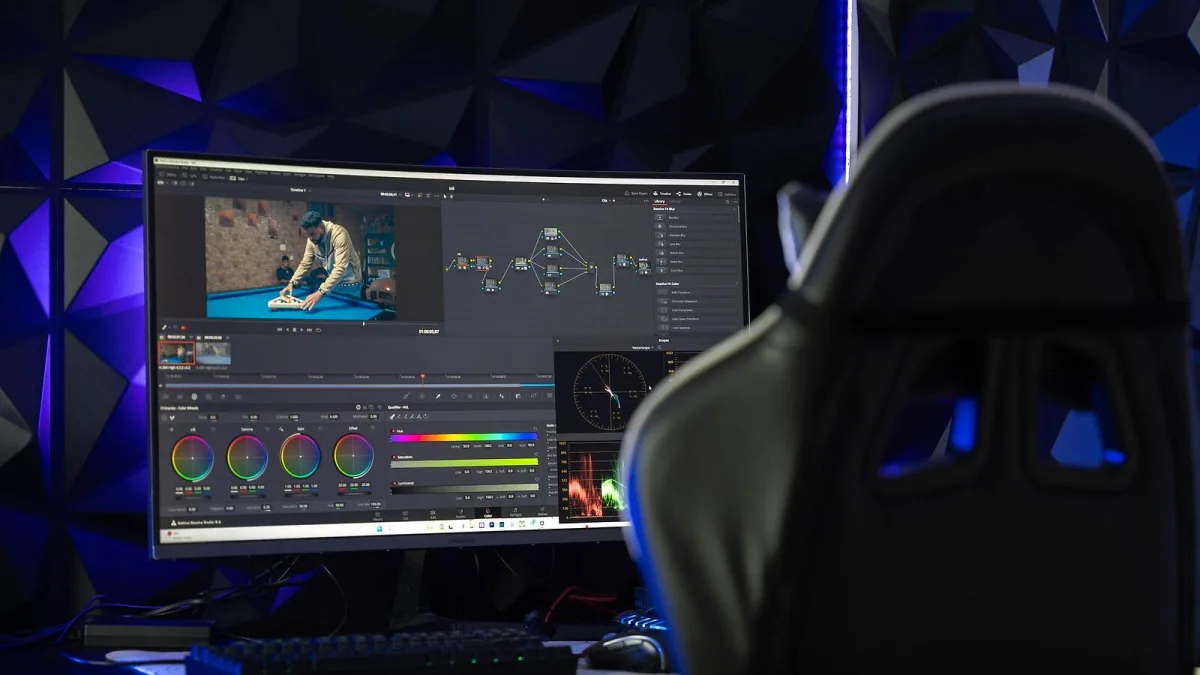
The vocal remover market has matured quickly, and the gap between “good enough” and “genuinely impressive” has narrowed considerably. The good news is that outstanding results are available for most users without spending very much — or anything at all. Here’s a practical look at which types of tool suit which budgets and needs.
The Free Champion: Ultimate Vocal Remover
For anyone willing to install a desktop application, Ultimate Vocal Remover (UVR) is hard to argue with. It’s free, open source, actively maintained, and ships with a library of AI models — including variants of Demucs (from Meta Research) and MDX-Net — that rival the quality of many paid services. You can switch models per track, export in lossless formats, and process files of any length with no usage caps.
The interface has improved markedly with recent releases and is now quite approachable, even for users who have never worked with stem-separation software before. If budget is your primary concern, UVR is the answer — full stop.
GPU acceleration (NVIDIA CUDA or Apple Silicon’s Neural Engine) makes a significant difference to processing speed. On a modern Mac or a Windows machine with a decent graphics card, a four-minute track can be separated in under thirty seconds. On CPU alone, expect a few minutes.
Best Web-Based Service: LALAL.AI
When you need the convenience of a browser-based tool — no installation, works on any operating system — LALAL.AI consistently delivers strong results. Its Phoenix 4 and Orion models produce clean separations on most studio recordings, and the interface is genuinely simple to use.
The free tier allows a limited number of processed minutes before prompting you to buy credits or subscribe. For casual users who process a handful of tracks per month, the credits system can be economical. For regular use, the subscription tier makes more sense.
One particularly useful feature is the preview: you can listen to a short segment of the separated track before committing your credits, which helps you judge whether the separation is clean enough for your purposes before spending anything.
Best for DAW Users: Logic Pro’s Stem Splitter
If you work in Logic Pro on a Mac, the built-in Stem Splitter (introduced in Logic 10.8) is the most seamless option available. You right-click any audio region, choose Stem Splitter, and Logic separates it into vocals, bass, drums, and other stems — all within your existing project, with no export or import needed.
The quality is very good, particularly on Apple Silicon, where Neural Engine acceleration makes processing almost instantaneous. The limitation is obvious: it’s locked to Logic Pro on Mac. But if you’re already in that ecosystem, it’s the most practical choice by a considerable margin.
Ableton Live users are not left without options: several third-party Max for Live devices and external VST/AU tools bring stem separation into the Live session view, though the integration is less seamless than Logic’s native approach.
Best for Mobile: Moises
For on-the-go use, Moises (available on iOS and Android) is the most polished and capable mobile option. Beyond stripping out lead vocals, it offers stem separation, pitch shifting, tempo adjustment, and a chord detection feature — making it genuinely useful for musicians who want to learn songs by ear or practise with a backing track on a smartphone.
The free tier is limited; the premium subscription unlocks the full suite. The results on a phone are impressive given the hardware constraints, though complex or heavily layered mixes will still produce more artefacts than a desktop tool working with full processing power.
Price Tiers at a Glance
| Tier | What You Get | Best For |
|---|---|---|
| Free (UVR, Demucs) | Excellent AI models, lossless output, no limits | Regular desktop users, producers |
| Free web tier | Limited minutes or credits, convenient | Occasional casual use |
| Paid web subscription (~£5–15/month) | Unlimited processing, higher quality, more stems | Regular web-based users |
| Professional (iZotope RX) | Surgical precision, dialogue restoration | Post-production, broadcast, mastering |
When to Spend More
The honest answer is: rarely, for most users. Free and low-cost tools cover the vast majority of stem-separation needs. The main reason to spend more is if you require clinical precision for professional audio post-production — cleaning up dialogue for television, removing bleed in archival recordings, or delivering stems for a commercial release where artefacts are genuinely unacceptable.
In that scenario, iZotope RX (specifically its Music Rebalance module) is the professional standard. It costs considerably more and has a steeper learning curve, but it gives you granular control that consumer tools simply do not.
Matching Tool to Task
Think about your actual workflow before choosing. If you’re primarily creating karaoke tracks or practising with backing tracks, start with UVR or LALAL.AI’s free tier. If you’re a Logic Pro user making music, the Stem Splitter is already waiting for you. If you want to understand the technology before choosing, the full explainer covers how these tools work under the bonnet.
For a deeper look at what to check before committing to any purchase, the complete buyer’s guide walks through the key specs and pitfalls in detail. The best tool for the job is almost always the one that suits your workflow — not necessarily the most expensive one.





Comments