


Virtual Instruments roundup
Virtual Instruments: A Complete Buyer's Guide
The range of virtual instruments available is enormous — and buying wrong means money spent on something that sits unused. This guide tells you how to choose the right type for your actual needs.
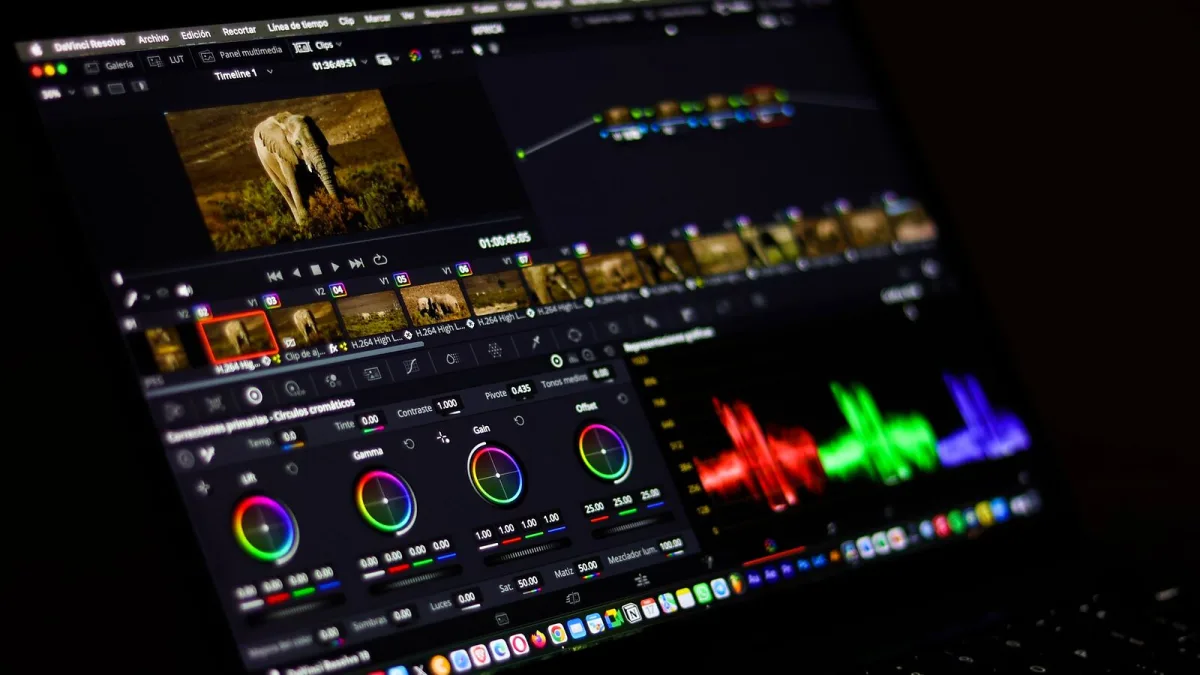
Buying virtual instruments is easier than buying hardware, but the choices are still numerous and the decisions matter. The wrong choice ends up unused; the right one becomes part of every session. Before spending anything, it's worth understanding what you're actually buying.
Start with Your DAW and Plugin Format
Before browsing instruments, confirm which plugin formats your DAW supports. VST3 is cross-platform (Windows and Mac) and the most widely supported format — buy this wherever possible. AU (Audio Units) is Mac-only; if you're on Logic or GarageBand, you'll encounter this format frequently. AAX is Pro Tools-specific and commands a price premium. Most reputable developers support VST3 and AU; check the product page before buying to confirm your host is supported.
Know What Type You Need
Different types of virtual instruments serve different purposes. Don't buy a complex sample library when a synthesiser is what you actually need, or vice versa.
- Synthesisers — for creating electronic sounds from scratch. Choose a subtractive synth (like Arturia Pigments or u-he Diva) for classic analogue tones, a wavetable synth (Serum, Massive X) for modern bass and lead sounds, or FM synthesis for metallic and bell-like timbres.
- Samplers and sample libraries — for realistic instrument sounds: orchestral strings, grand piano, acoustic guitar, choir. Native Instruments Kontakt hosts most commercial libraries; Spitfire Audio LABS is an excellent free starting point.
- Drum instruments — for programming beats. Battery (NI), Superior Drummer and BFD offer detailed acoustic drum emulations; simpler step-sequencer options suit electronic music styles.
- Acoustic instrument emulations — electric pianos, organs, classic keyboards. Arturia's V Collection is widely respected for emulating vintage hardware; Native Instruments' Session Keys is a solid modern piano.
Free Options First
Don't overlook the free tier before spending. It's genuinely strong:
- Spitfire Audio LABS — a growing series of free, high-quality instruments covering strings, piano, choir, cinematic textures and much more.
- Vital — a free wavetable synthesiser with a professional feature set and no meaningful limitations in the free version.
- Surge XT — an open-source synthesiser covering subtractive, FM and wavetable synthesis. Genuinely extensive.
- DAW stock instruments — Logic Pro, Ableton and Cubase all include capable built-in instruments that many professionals use in released work.
Start with free instruments, identify the specific gap that exists in your current setup, and then buy the paid option that fills that gap precisely. This prevents accumulating plugins you don't use.
System Requirements: A Practical Check
Check system requirements before buying, especially for large sample libraries:
- RAM — large orchestral libraries can load several gigabytes of samples. If you have 8 GB of RAM, a full orchestral suite will struggle.
- Storage — professional sample libraries range from a few gigabytes to hundreds. Check whether a fast SSD is required (it usually helps significantly for streaming performance).
- CPU — relevant for complex, high-polyphony synthesisers. Check the manufacturer's minimum CPU requirement and honest user reviews for performance.
Subscription Models vs Perpetual Licences
Some developers (Native Instruments with Komplete, Arturia with V Collection) offer both perpetual licences and subscription services. A perpetual licence gives you permanent ownership of a specific version; a subscription provides the latest version and full library access for a monthly or annual fee. The subscription makes sense if you'd benefit from the full library and want to stay current; the perpetual licence is preferable if you prefer owning your tools outright.
Where to Buy
Buying directly from the developer is usually safest for licence management and support. Third-party resellers (Plugin Boutique, Thomann, Sweetwater) sometimes offer better prices or bundle deals, especially during sale periods. Most developers also offer periodic significant discounts — if a particular instrument is on your list, waiting for a sale is usually worthwhile. Never buy from unofficial sources; licence keys from grey-market resellers often create problems with authorisation.
For an overview of which types of instruments offer the best value at different price points, the best virtual instruments for the money rounds up the landscape. And for a full explanation of how different types of instruments work before committing to a purchase, the complete virtual instruments guide covers all the basics.



Comments