


UAD Audio Plugins article
Everything You Need to Know About Uad Audio Plugins
Detailed hardware modelling on real analogue gear, in two genuinely different flavours. Here's what UAD plugins actually are and how they work.
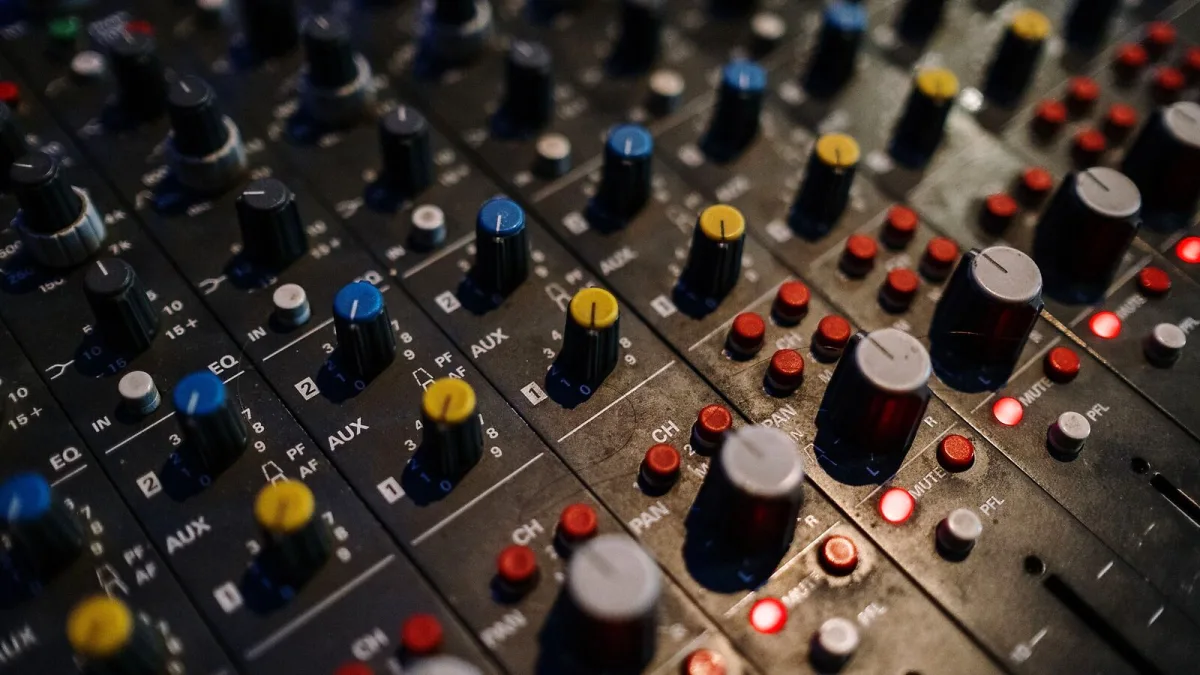
If you've spent any time in home recording forums, you've seen people going on about their "desert island" UAD plugins like they're talking about actual hardware they own. That's not an accident — they're built to sound and behave like real analogue gear, and once you understand how they actually work, it's easy to see why people get attached. Here's the honest rundown.
What UAD Plugins Actually Are
UAD plugins are Universal Audio's software recreations of classic studio equipment — compressors, equalisers, tape machines, reverbs, preamps, guitar amps and a handful of synths. Rather than just approximating a general "vintage" sound, most of them model a specific unit from a specific manufacturer: think Neve preamps, SSL consoles, Ampex tape machines, Teletronix compressors and Lexicon reverbs. The modelling goes well beyond frequency response — plenty of these plugins recreate the actual nonlinear distortion, saturation and quirks of the original hardware.
DSP vs Native: The Bit That Confuses Everyone
They come in two genuinely different flavours, and mixing them up is the single most common source of confusion for newcomers.
- UAD-2/DSP plugins run on Universal Audio's own hardware — an Apollo interface or a UAD-2 accelerator card. The processing happens on that dedicated chip, not your computer's CPU.
- UAD Native (also called UADx) plugins run directly on your computer's processor, in AAX, AU or VST3 format, with no UA hardware required at all.
Universal Audio has been steadily moving more of its UAD catalogue into native territory — recent examples include native versions of the EMT 140 plate reverb and EMT 250 electronic reverb, both of which used to require DSP hardware. There's also UAD Spark, a subscription service giving access to a growing library of native plugins (reportedly around 70 titles as of its September 2026 Spark Studio expansion) separately from the full DSP catalogue.
A Bit of Background
Universal Audio traces back to Bill Putnam Sr., an influential recording engineer and equipment designer. The modern company built its reputation on hardware modelled after classic studio gear, then extended that into the original UAD Powered Plug-Ins platform — DSP-based software that let a home studio access processing modelled on equipment most people would never own outright. That hardware-first approach shaped the whole ecosystem, and it's why native plugins are still a relatively recent shift for the brand rather than how things started.
Where You'll Actually Use Them
| Job | Typical UAD tools |
|---|---|
| Vocals | Teletronix LA-2A or 1176-style compression, Neve-style preamp/EQ, plate or chamber reverb |
| Drums | 1176-style compression, SSL or API channel processing, tape saturation |
| Mix bus | SSL G Bus Compressor, Manley Variable Mu, tape or mastering processors |
| Guitars | Modelled Fender, Marshall and Vox amp and studio systems |
| Synths | Minimoog, PolyMAX and Electra88 virtual instruments |
Universal Audio's own artist coverage backs this up in practice — mix engineer Michael Brauer has said he delegates a substantial amount of his signal processing to UAD-2 plugins even with access to prized outboard hardware, and producer Phil Tan (credits including Rihanna, Mariah Carey and Ludacris) is among the engineers UA features discussing their preferred plugins.
Apollo Interfaces and Low-Latency Tracking
One thing that sets the DSP side apart: if you're tracking through an Apollo interface, you can monitor through compression, EQ or amp modelling with very low perceived latency, because the processing happens on dedicated hardware rather than fighting for space with everything else your computer is doing. It's genuinely useful for vocalists and instrumentalists who want to hear the "finished" sound while performing, rather than a dry, unprocessed signal — one of the clearest practical reasons to stick with DSP over native.
Should You Care About Native or Hardware?
It depends entirely on your setup. If you don't own Apollo or UAD-2 hardware, native plugins (or a UAD Spark subscription) get you into the ecosystem without buying anything beyond software. If you already track a lot of vocals or instruments and want that low-latency monitoring advantage, the DSP side of things still has a real, practical edge that native processing can't fully replicate.
Bottom Line
UAD plugins earn their reputation through genuinely detailed hardware modelling and a catalogue built on real, well-known analogue gear rather than vague "vintage" presets. Whether DSP or native suits you better comes down to your existing setup and budget — and if you're thinking about actually buying in, our UAD buyer's guide covers exactly what to check first, while our beginner's guide walks through getting your very first plugin up and running.




Comments