


Artist Guitar article
Artist Guitar: What You Need to Know
"Artist guitar" means two different things at once. Rebecca untangles the Australian direct-to-consumer brand from the wider world of artist signature guitars, and what to actually check before you buy either.
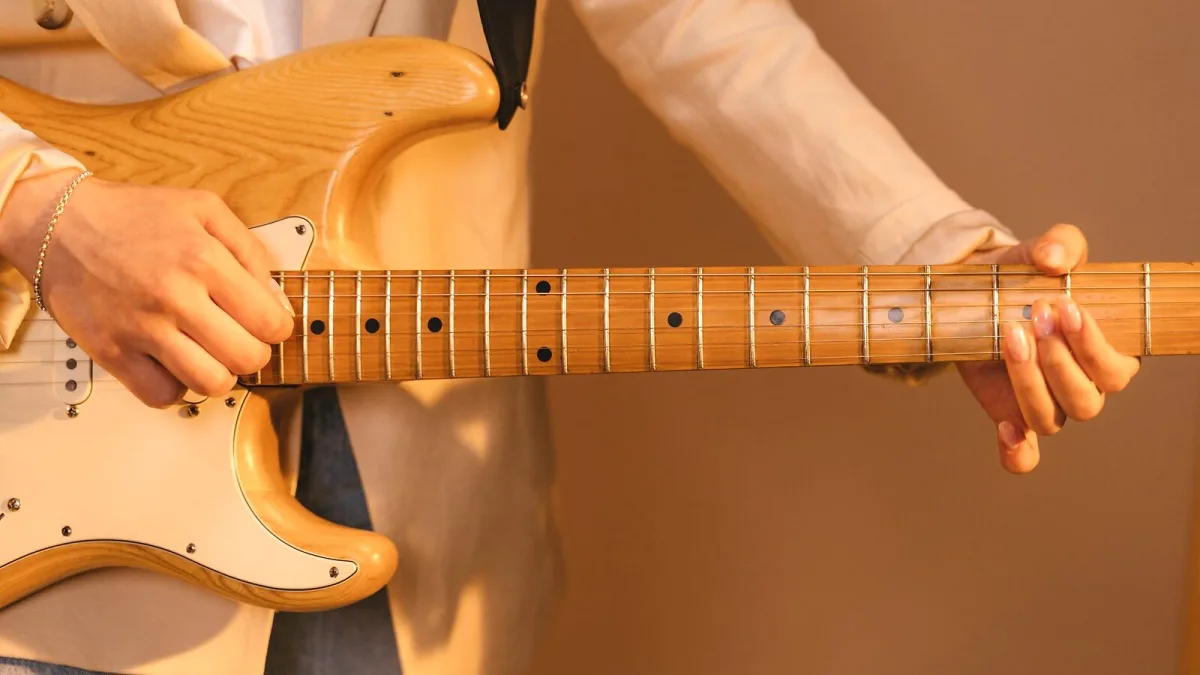
Type "artist guitar" into a search bar and you'll get two very different answers pulled into one phrase. One is Artist Guitars, the Australian direct-to-consumer brand that's been kitting out bedroom players and gigging musicians since 2009. The other is the much broader idea of an artist guitar — a signature model built in collaboration with, or inspired by, a working musician. Both are worth understanding before you spend a penny, so here's the lot: who's behind the brand, what actually makes a guitar "artist" grade, and what to check before you commit.
What Is Artist Guitars?
Artist Guitars is an Australian-owned company founded in 2009 by Ian Bush and based in Yennora, New South Wales. Rather than selling through a chain of shops, it trades direct to the customer online — cutting out the usual retail markup and passing at least some of that saving on. The catalogue stretches well beyond six-strings: amplifiers, pedals, drums, microphones, violins and accessories all sit under the same roof.
Like most affordable brands in this space, Artist Guitars designs its instruments in-house and has them built by manufacturing partners overseas, predominantly in China, with quality control carried out back in Australia before a guitar ships. That's a common and perfectly respectable model — plenty of household names do the same — but it's worth knowing rather than assuming every guitar rolling off the line was hand-carved in a boutique workshop. Reported terms include a generous 100-day return window and a three-year warranty on many products, though you should always confirm the exact terms for the specific model and your region before buying, as policies vary.
So What Makes a Guitar an "Artist" Model?
Away from the brand name, "artist guitar" is also the umbrella term for any instrument developed in partnership with, or built to honour, a named musician. Think of Strandberg's Artist Signature series, or Martin's Signature Artist Editions — guitars that borrow a player's preferred neck profile, pickup layout, scale length, hardware or finish, and sometimes their exact stage specifications.
Here's the catch, and it's an important one: not every "artist" guitar is the genuine article the musician actually plays. The marketing language gets slippery fast. "Designed with", "used by", "inspired by" and "signature model" all mean different things:
- Designed with usually means real collaboration on specs, even if the artist didn't sketch the headstock themselves.
- Used by can mean anything from "their actual stage rig" to "someone in the touring crew once had one."
- Inspired by often just means it looks or sounds broadly similar — no formal tie to the artist at all.
- Signature model is the strongest claim, but even then it's rarely an identical twin of the original instrument; expect altered woods, simplified electronics or a different country of manufacture to hit a lower price point.
Two Ends of the Same Market
Broadly, this market splits into two camps, and it pays to know which one you're shopping in:
| Category | What you're paying for | Who it suits |
|---|---|---|
| Affordable artist-inspired | Recognisable specs at a beginner-friendly price | New players, gigging musicians on a budget |
| Premium artist collaboration | Genuine input from the artist, limited runs, collectible value | Serious players and collectors chasing the closest thing to the real deal |
An affordable, artist-branded guitar from a direct-to-consumer brand and a five-figure limited-edition collaboration from a heritage maker are both technically "artist guitars" — they just serve wildly different players and wallets.
What to Check Before You Buy
Whichever end of the market you're browsing, the same checklist applies. A famous name on the headstock doesn't excuse a guitar from the basics:
- Scale length — affects string tension, fret reach and overall feel.
- Neck profile — often the single most personal "artist" feature, and the one that either suits your hand or doesn't.
- Fretboard radius — flatter boards favour bending and shredding; rounder ones suit rhythm and chord work.
- Pickups and switching — single-coil, humbucker, P-90 or active electronics all sound and behave differently; check whether the artist's original wiring survived into the production version.
- Bridge type — a fixed bridge, synchronised tremolo or Floyd Rose all demand different set-up habits and tuning stability.
- Build construction — bolt-on, set-neck or neck-through designs affect both tone and how easily a repair tech can work on it later.
- Country of manufacture and quality control — not a quality verdict on its own, but worth knowing, especially for a lower-priced guitar bought sight unseen.
Don't buy on the strength of the endorsement alone. Compare an artist model directly against the maker's standard equivalent, work out which features are genuinely functional rather than cosmetic (a signature pickguard graphic changes nothing about the tone), and factor in a professional set-up if you're buying an affordable artist guitar online rather than trying it in a shop first.
The Guitarists Who Shape the Design
None of this happens in a vacuum. The reason "artist guitar" is a meaningful category at all is that certain players have genuinely changed how instruments are built. Jimi Hendrix, Eddie Van Halen, Jimmy Page, Brian May and Tony Iommi all modified or specified gear that manufacturers later formalised into production specs — oversized frets, custom wiring, non-standard scale lengths, all born out of a working musician chasing a particular feel or sound rather than a marketing brief. When a modern signature model borrows from that lineage, it's tapping into decades of real trial and error, not just a famous face on a poster.
If you want to dig into the history properly, look for genuine documentation — interviews, technician accounts, photographs of the actual stage instrument — rather than taking a product page's claims at face value. A guitar "associated with" a legendary player isn't always the guitar that player actually recorded with.
The Bottom Line
"Artist guitar" covers a lot of ground: an affordable, direct-to-consumer Australian brand on one hand, and the entire concept of musician-collaborated signature instruments on the other. Neither meaning is more "correct," but knowing which one you're actually shopping for will save you a confused half-hour of browsing. Whichever route you take, judge the guitar on its scale length, neck feel, electronics and build quality first — the name on the headstock is the last thing that should decide the sale, not the first.






Comments