


I Tunes Album Charts article
I Tunes Album Charts: What You Need to Know
iTunes album charts measure paid purchases through Apple's download store, not streams. Here is what they show, what they miss, and how to read a chart claim properly.
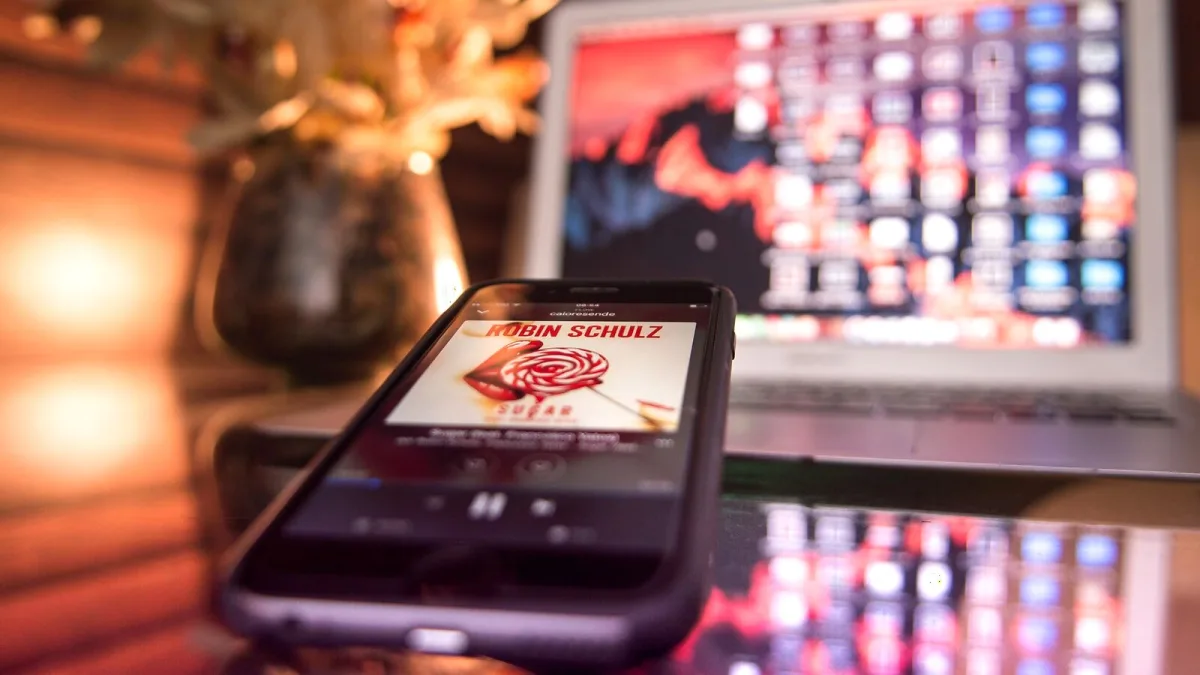
iTunes album charts rank albums by paid purchase activity in Apple's download store — not by streams, radio plays or physical sales. Understanding what they measure, what they miss, and how they relate to broader industry charts helps you interpret chart claims accurately, whether you are following an artist's release campaign or trying to make sense of a news headline.
What iTunes Album Charts Actually Measure
An iTunes album chart position reflects how many complete albums were purchased through Apple's download store within the chart's current period. Every position on this chart answers one specific question: which albums are being bought most actively through Apple's paid-download retail system at this moment?
That is a narrower question than it might first appear. The chart excludes:
- Apple Music streams — counted separately in Apple Music charts
- Spotify streams
- Radio airplay and broadcast activity
- Physical CD and vinyl sales
- Free previews and promotional listens
- Individual track purchases (which contribute to song charts, not album charts)
A single purchase registers as one unit of demand. A listener who streams an album 200 times on Apple Music contributes nothing to the iTunes album chart. This is why an album can sit at the top of streaming charts while appearing modestly on iTunes, and vice versa.
How the Charts Are Organised
Apple organises its charts by storefront, which broadly corresponds to country or region. There is no single official global iTunes album chart in the same way that Billboard publishes a unified U.S. chart. An artist who reaches No. 1 in the United Kingdom, for example, has achieved that position specifically in the UK iTunes Store storefront.
Apple's Chart Explorer, available through its Apple Music for Artists dashboard, allows users to filter rankings by storefront, genre and date. Genre charts function as subdivisions — an album might rank higher in a specific genre such as classical or country than in the overall chart for that storefront.
Third-party monitoring services such as Kworb aggregate multiple storefront rankings, but their presentations are unofficial and may differ from Apple's figures. Any claim of a "worldwide No. 1" based on these aggregations should be treated as an approximation rather than an official Apple designation.
iTunes Album Charts Versus Apple Music and Billboard
The three measurement systems answer different questions:
| Chart | What it measures |
|---|---|
| iTunes album charts | Paid album purchases through Apple's download store |
| Apple Music charts | Streaming activity within the Apple Music subscription service |
| Billboard 200 | Album sales combined with streaming-equivalent and track-equivalent album units |
| Spotify charts | Streaming activity on Spotify |
Billboard revised its methodology in 2014 to incorporate streaming and track-purchase data alongside traditional album sales. Under the revised system, a specified number of streams and individual digital track purchases can each count as an album-equivalent unit. iTunes sales feed into this broader measurement, but an iTunes No. 1 does not automatically produce a Billboard No. 1, and a Billboard No. 1 does not require a strong iTunes performance.
What Moves a Chart Position
Several factors can produce a rapid rise on the album chart:
- New releases and pre-order fulfilments: Album launches typically generate a concentrated burst of purchase activity during release week.
- Deluxe editions and reissues: An expanded or anniversary release of an established album can push it back into chart contention.
- Coordinated fan purchasing campaigns: Dedicated fan communities sometimes organise download campaigns specifically to achieve or defend a chart position.
- Catalogue revivals: An artist death, an anniversary, a film or television placement, or a viral social-media moment can prompt a wave of purchases for older material.
- Promotional pricing: Temporary price reductions or bundle offers can stimulate purchase activity from buyers who otherwise stream.
- Award ceremonies and major media appearances: A Grammy win or a high-profile television performance often correlates with a short-term spike in digital purchases.
These factors explain why chart positions can fluctuate sharply and why a week-one peak may not be sustained in subsequent weeks.
What Apple Does Not Disclose
Apple publishes the chart rankings themselves but does not provide a complete public specification of the algorithm behind them. The precise time window, how refunds and fraudulent purchases are handled, how pre-orders are counted, and whether all purchases carry equal weight are not publicly documented in detail.
Claims about these specifics — for example, that the chart uses a 24-hour rolling window — should be treated as estimates unless drawn from current, authoritative Apple documentation. When reporting a chart result, specifying the date and storefront is more defensible than general claims about methodology.
How to Read a Chart Claim Accurately
When an artist or label announces a chart achievement, a precise reading requires knowing:
- Whether the claim refers to the iTunes album chart or to Apple Music, Billboard, Spotify or another system
- Which storefront or country the ranking applies to
- The date and time the position was observed
- Whether the ranking was checked on Apple directly or through a third-party tracker
- Whether the release is a new album, a deluxe edition, a soundtrack or a compilation
A careful formulation: "The album reached No. 1 on the UK iTunes album chart on the day of release" is a specific, verifiable claim. "The biggest album in the UK" is a different claim that requires broader evidence than one retail chart can provide.
Are iTunes Charts Still Relevant?
The growth of streaming has reduced the share of music consumption that passes through paid downloads. An album can accumulate tens of millions of streams while generating a modest iTunes purchase count. For many artists and markets, streaming charts now represent far more listening activity than iTunes album charts do.
However, iTunes charts still carry meaningful signals in specific contexts: artists with highly engaged fan communities whose followers prefer ownership over streaming subscriptions, catalogue revivals where the buyers are older listeners with a purchase habit, and markets where download culture persists more strongly than in pure streaming territories. For those scenarios, an iTunes No. 1 remains a commercially significant result — provided the chart is read for what it measures rather than treated as a proxy for total audience.






Comments