


Drum Machine Reviews review
A Complete Guide to Drum Machine Reviews
Drum machines shape modern music production. This guide covers hardware and software options, acoustic vs electronic sounds, budget considerations, and workflow integration.

Drum machines have evolved from basic rhythm boxes to sophisticated production tools that shape modern music across genres. Whether you're a producer looking for authentic acoustic drum sounds, someone seeking classic electronic percussion, or a musician wanting to add rhythmic layers to your work, choosing the right drum machine can transform your productions. This guide explores what makes drum machines valuable, how different types serve different creative goals, and how to evaluate machines that fit your workflow and budget.
What Modern Drum Machines Offer
Today's drum machines go far beyond triggering preset patterns. Contemporary machines provide multiple synthesis engines, sample-based percussion libraries, intuitive sequencing interfaces, and deep MIDI integration. A quality drum machine lets you sculpt individual drum sounds, create complex polyrhythmic patterns, and export your work to other production software. The best machines balance ease of use for quick creative decisions with deep editing capabilities for sound design exploration.
Modern drum machines fall into several categories: hardware devices that sit on your desk, software instruments that run inside your DAW, hybrid systems that combine both, and portable units designed for live performance and field recording. Each approach has distinct advantages depending on your creative environment and aesthetic preferences.
Hardware vs. Software Solutions
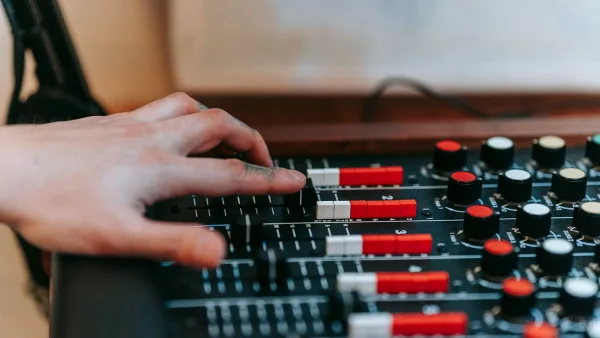
Hardware drum machines offer tactile immediacy. Pressing pads, twisting knobs, and viewing LCD screens creates a direct physical relationship with sound-making that many producers find creatively energising. Hardware machines force a certain workflow—you're committed to decisions in real time rather than endlessly tweaking in software. Some of the most innovative drum work comes from embracing hardware limitations.
Software drum machines integrate seamlessly with your DAW, giving you unlimited simultaneous instances, automation capabilities, and file management advantages. You can save complex drum setups, iterate endlessly, and integrate drum programming into broader mixing and arranging sessions. Software costs significantly less than quality hardware and runs on computers you already own.
Many producers use both. Software drum machines handle most beat-making; hardware provides creative inspiration, sonic character, or live performance capabilities when inspiration feels stale in the software environment.
Acoustic Simulation vs. Synthesis
Some drum machines emphasise photorealistic acoustic drum sounds, using sampled recordings from real drums and careful processing to achieve authenticity. Others pursue electronic synthesis—creating drum sounds from scratch using oscillators, filters and envelopes. Neither approach is superior; they serve different creative goals.
Acoustic-focused drum machines suit hip-hop, funk, R&B and genres where listeners expect recognisable drum kit sounds. Synthesis-based tools excel in electronic music, experimental work, and sound design where unreal, distinctive percussion enhances the artistic vision. Many hybrid machines offer both, letting you choose based on the track's needs.
Key Features to Evaluate
When assessing drum machines, prioritise these capabilities: Does the sequencer respond intuitively to your creative impulses? Are drum sounds editable, or locked to presets? Can you import your own samples and reprocess them? Does MIDI integration work smoothly with your DAW? Are sounds professionally usable out of the box, or do you need months of preset scrolling? Can the machine export audio easily for further mixing?
Look at workflow efficiency too. How many button presses does it take to switch between drum kits in a machine? Can you create variations on patterns quickly? Do step sequencing, real-time recording and swing/humanisation features respond the way you expect? The best drum machines anticipate your next creative move.
Budget Tiers and Value
Entry-level software drum machines start at nothing (free options like Sitala or Spark are surprisingly capable) and top out around £50. You sacrifice advanced sound design, but basic beat-making is entirely achievable. Professional drum machines in software range from £100 to £300, offering thousands of sounds, intuitive interfaces, and studio-quality results.
Hardware drum machine prices vary wildly. Affordable machines like the Korg Volca Drum cost under £150 and deliver genuine creative satisfaction. Mid-range drum machines (£300 to £800) offer more sounds, better sequencing and deeper synthesis. Premium machines exceed £1000 but rarely proportionally justify the cost unless you're performing live or need industrial-strength reliability.
The sweet spot for most producers is mid-range software drum machines (£150 to £250) paired with an affordable hardware controller if you prefer tactile input. This combination costs under £400 and lets you create professional-quality beats.
Integration with Your Workflow
The best drum machine for you is one you'll actually use. If you work exclusively in a DAW, integrated software makes sense. If you compose away from your desk—in the studio lounge, on tour, at a friend's place—portable hardware or battery-powered drum machines become essential. If you perform live, a machine that sequences tight, responds reliably to real-time input, and survives travel matters more than studio niceties.
Consider your existing gear too. If you have a hardware synth, does a new drum machine play nicely with it via MIDI? If you work primarily in Ableton Live, does the machine you're considering integrate well with Ableton's workflow? Compatibility isn't everything, but poor integration frustrates daily and kills creative momentum.
Learning and Support
Quality documentation and active communities matter more than reviews suggest. A machine with thorough tutorials, video demonstrations and an engaged user forum lets you explore depths that a technically superior but poorly documented drum machine won't. Seek machines where users post creations, share tips, and sustain conversation years after release.
Conclusion
The right drum machine accelerates creative output and elevates your sound. Whether you choose software or hardware, acoustic or synthesis, budget or premium, prioritise an instrument that encourages frequent use and creative exploration. Many professional producers use drum machines they love partly because they bought carefully and have invested time in mastery. Start with honest self-assessment of your workflow, budget and sonic aesthetic. Then choose a machine and commit to learning it thoroughly rather than constantly hunting for something better. Mastery of one excellent drum machine beats casual familiarity with ten mediocre ones.



Comments