


Thrash Metal article
Thrash Metal Subgenres, Explained
Thrash metal isn't one sound, it's a family of them. Here's what actually separates crossover, technical, progressive, blackened and groove — no waffle.
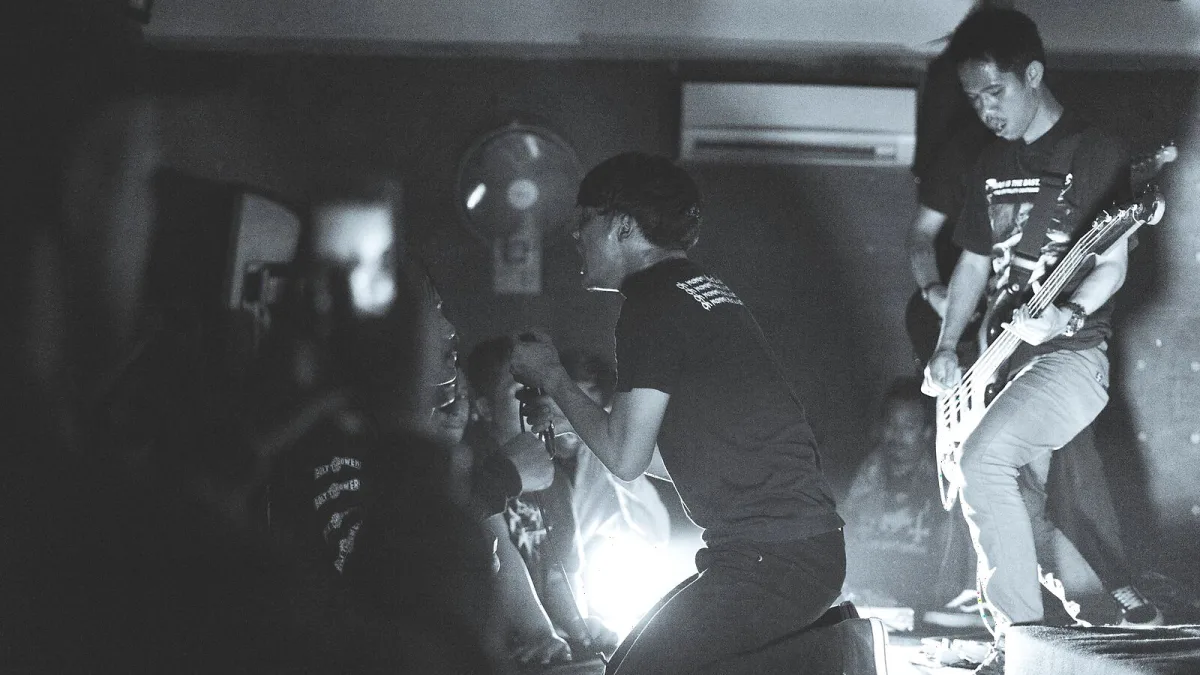
Right, let's clear something up straight away: "thrash metal" isn't one sound, it's a family of them. Once the genre's founding bands proved the formula worked, other musicians started bending it — some faster, some more technical, some meaner, some closer to punk than metal. Here's what actually separates the main thrash metal subgenres, no waffle.
Crossover Thrash
This is thrash with one foot still in hardcore punk — shorter songs, gang vocals, and lyrics with a punk band's sense of humour and anger rather than metal's usual doom-laden seriousness. Suicidal Tendencies, D.R.I. and, decades later, Municipal Waste all built careers on it. If straight thrash metal already felt close to punk to you, crossover is where that relationship becomes the whole point rather than just an influence.
Technical Thrash
Take the standard formula and add odd time signatures, jazz-influenced chord voicings and riffs that are genuinely difficult to play. Watchtower and Coroner are the reference points here — bands more interested in complexity than raw aggression, though never at the expense of heaviness. Megadeth's Rust in Peace era sits close to this camp too, even if the band never left the mainstream thrash conversation entirely.
Progressive Thrash
A close cousin of technical thrash, but built around longer, more ambitious song structures rather than pure instrumental difficulty. Think extended arrangements, shifting movements within a single track, and a willingness to slow down for atmosphere before speeding back up. Metallica's ...And Justice for All-era material and parts of Watchtower's catalogue both point in this direction.
Blackened Thrash
This is where thrash metal subgenres start bleeding into extreme metal properly. Take the speed and riffing of straight thrash, then layer on the atmosphere, tremolo-picked melodies and harsher production values borrowed from black metal. Later Sodom material sits near this territory, and it's a useful bridge if you're trying to understand how thrash fed into the darker, more extreme metal that followed it in the late 1980s and early 1990s.
Groove Metal
Not always classed as a thrash subgenre outright, but it grew directly out of one — several thrash bands, Sepultura included, slowed their tempos in the early 1990s and leaned harder into mid-paced, syncopated riffing instead of pure speed. Pantera became the genre's most recognisable name. It's slower and heavier rather than faster and meaner, which is exactly why some purists don't count it as thrash proper — but the lineage is impossible to miss.
How to Tell Them Apart at a Glance
| Subgenre | What changes | Reference band |
|---|---|---|
| Crossover thrash | Punk structure, gang vocals, humour | D.R.I. |
| Technical thrash | Odd time signatures, complex riffing | Watchtower |
| Progressive thrash | Longer, multi-part song structures | Metallica (late 1980s) |
| Blackened thrash | Atmosphere and harsher production from black metal | Sodom (later material) |
| Groove metal | Slower tempo, syncopated mid-paced riffs | Pantera |
Why This Matters if You're Just Getting Into It
You don't need to memorise this table before you start listening — but it explains a lot once you notice a band doesn't quite match what you expected from the genre. If a "thrash" band sounds oddly slow and chunky, you're probably hearing groove metal's influence. If it sounds needlessly complicated in the best way, that's technical thrash showing through. For the bands who defined the core sound before it splintered this way, our guide to the genre's key artists is the right place to start, and our history of thrash metal covers how the split actually happened.
Curious which specific records best represent each branch? Our rundown of essential thrash metal albums covers most of the reference points above in proper depth.
The Bottom Line
None of these thrash metal subgenres replaced the original sound — they all still exist alongside it, and most bands borrow from more than one at once. Once you can hear the difference between punk-leaning crossover, technically demanding progressive thrash and groove-heavy offshoots, the whole genre gets a lot more interesting than the "fast and angry" shorthand suggests.




Comments