Skip to content

The Black Pearl Soundtrack article

The History of The Black Pearl Soundtrack

The score for Pirates of the Caribbean was composed in six weeks under Hans Zimmer's supervision. Here is the story of how it was made.
The History of The Black Pearl Soundtrack

The history of the Black Pearl soundtrack is rooted in the rushed production schedule of Pirates of the Caribbean: The Curse of the Black Pearl (2003). Klaus Badelt, working at Hans Zimmer's Remote Control Productions facility in Santa Monica, composed the bulk of the score in approximately six weeks — an extremely compressed timeline for a feature of this scale. The pressure produced a score with notable energy and momentum, qualities that many believe contributed to its success.

Development and Composition

Hans Zimmer, who had been invited to compose by producer Jerry Bruckheimer, brought Badelt in to lead the composition after scheduling conflicts limited his own availability. The brief from the filmmakers emphasised nautical adventure, pirate imagery and a period setting, but with a contemporary orchestral approach rather than a historically accurate one. Zimmer and Badelt drew on Celtic and folk idioms — fiddle lines, drone-based harmonies, irregular rhythms — to create the sense of seafaring culture without literal period reconstruction. The He's a Pirate theme emerged from this process as the primary identifying motif.

Recording and Release

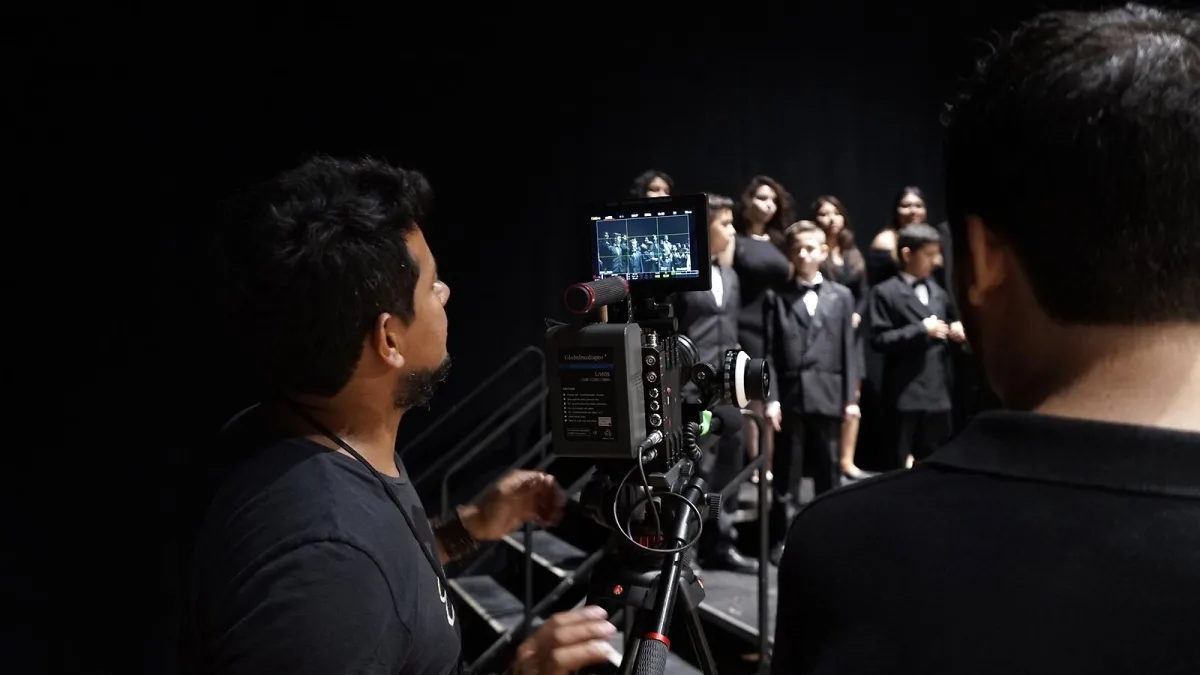
The score was recorded with a full orchestra and choir, captured in sessions that were themselves completed under tight deadlines. The album release included the main score cues and was released through Walt Disney Records alongside the film's theatrical opening in July 2003. The success of the film — which surprised industry observers who had expected it to fail — transformed the Black Pearl soundtrack from a routine release into a widely distributed and discussed album. The Grammy nomination followed, further cementing its cultural position. For a guide to the individual recordings, see our tracks guide.

Frequently Asked Questions

Why did Zimmer not compose the score himself?

Hans Zimmer had been approached to compose the score but had scheduling commitments that prevented him from taking on the full project. He brought Klaus Badelt in to lead the composition under his executive production and creative oversight. This arrangement was common at Remote Control Productions, where multiple composers worked on projects under Zimmer's supervision.

How long did composition take?

Approximately six weeks, which is extremely compressed for a feature film of this scale and budget. The tight schedule was a direct result of the production timeline. The energy of the resulting score is frequently attributed in part to the urgency of its creation — there was little time for extensive revision or rethinking.

Was the Celtic influence a deliberate choice?

Yes. Zimmer and Badelt deliberately drew on Celtic and folk idioms — fiddle lines, drone harmonies, modal scales — to evoke seafaring and pirate culture without literal historical reconstruction. The choice gave the score a distinctive character that set it apart from standard orchestral action scoring of the period.

How was the album release received commercially?

The album performed well relative to expectations, benefiting significantly from the film's unexpected box office success. The Grammy nomination the following year further lifted sales and streaming figures. The score has remained in wide circulation since, partly because of its extensive use in other media contexts — trailers, television and educational settings.

How did the later sequels change the musical approach?

Hans Zimmer took a more direct composing role from Dead Man's Chest (2006) onwards. The later scores are generally considered more ambitious in scope and darker in tone. The core thematic identity — particularly the main theme — was retained, but the palette was expanded significantly. Zimmer's approach in the sequels drew more heavily on world music influences alongside the established orchestral framework.

About Nicola Evans

Nicola grew up on the Welsh rock and punk scene around Newport, a town that once punched well above its weight for live music, and never lost her taste for a loud guitar. She writes about rock, alternative music and the bands that carry the torch.

Comments

Leave a comment

Comments are read before they appear. Links cannot be published.

Your rating (optional)