


Reggae Music article
A Beginner's Guide to Reggae Music
The bass carries the tune, the guitar skips the beat, and the whole thing still somehow feels relaxed. Here's what reggae is and where it came from, in plain terms.
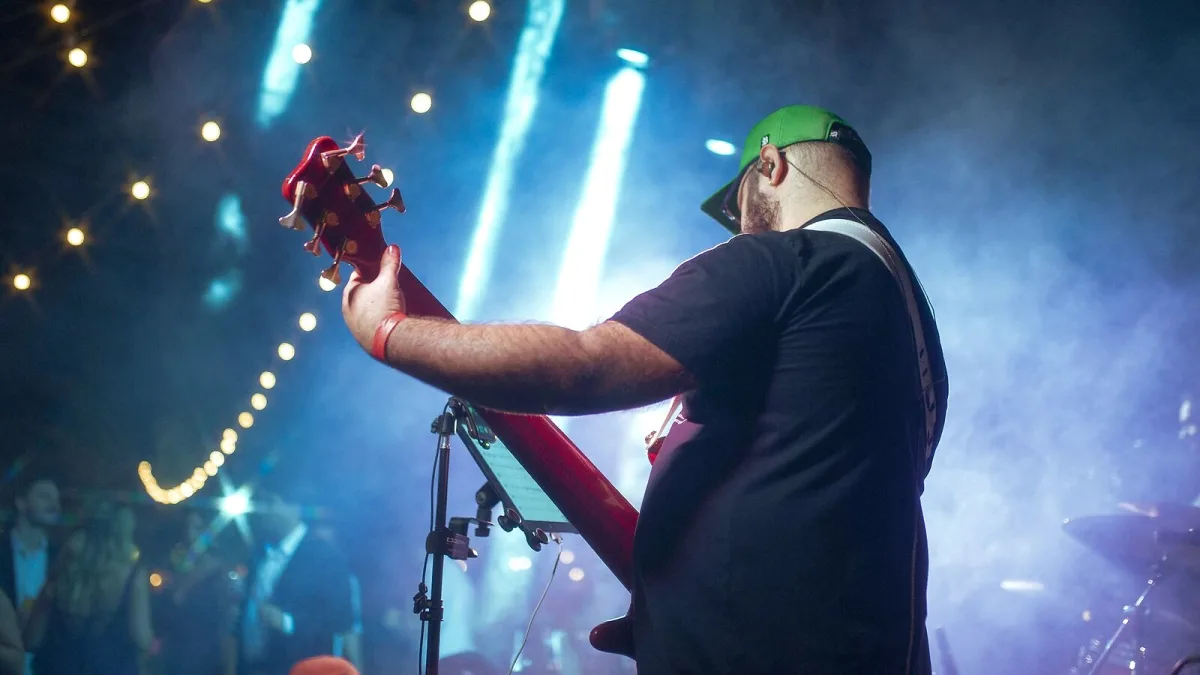
Reggae has a way of sounding effortless even when it is doing something quite clever underneath. If you have ever wondered why the bass feels like the lead instrument, why the guitar seems to skip a beat, or where roots, dub and dancehall all fit together, this guide sets it out plainly. No jargon left unexplained, no history skipped — just the essentials, told with the same respect for the people who built it that I try to bring to every scene I write about.
What Reggae Actually Is
It's a Jamaican genre that emerged in the late 1960s, growing out of two earlier home-grown styles: ska and rocksteady. It also pulled in mento (Jamaica's own folk sound), American rhythm and blues and soul, calypso and African-derived rhythm. The name itself is usually traced to Toots and the Maytals' 1968 recording “Do the Reggay” — one of the first times the word appeared on a record, even if the full story of the term is a little murkier than that single song suggests.
By the 1970s, the genre had gone global, largely on the back of Bob Marley and the Wailers, with Jimmy Cliff and Peter Tosh close behind. But it was never one fixed sound. It has always been a family of related styles, and understanding that family is most of the battle.
The Sound: Bass, Skank and the One-Drop
Three things do most of the work in that arrangement, and once you can hear them separately, the whole genre opens up.
The Bass
In most pop and rock, the bass supports the song. In reggae, it often is the song — a melodic, memorable line that carries as much weight as the vocal. That bass leaves space deliberately; the gaps are as important as the notes.
The Skank
Listen for a short, clipped chord on the guitar or keyboard, muted and played on the off-beat rather than the beat itself. That stabbing little chord is called the skank, and it is the clearest fingerprint the genre has.
The One-Drop
Where a rock drummer hits hard on beat one, reggae's classic one-drop rhythm leaves beat one comparatively open and puts the emphasis on beat three instead. It is not a universal rule — rockers and steppers styles push the drums harder and more evenly — but it is the pattern most people mean when they talk about a reggae feel.
Where It Came From
None of this arrived overnight. Mento gave Jamaican music its own folk backbone. Ska sped things up with American R&B and jazz influence and a horn-led dance-band energy. Rocksteady then slowed the tempo right down and pushed the bass forward, setting the stage for what came next. Jamaica's sound-system culture — mobile rigs, competitive DJs, producers cutting exclusive one-off records — shaped nearly every step of that evolution, and it is a story I find genuinely moving: a music built from the ground up by people with almost nothing but a set of speakers and a good ear. If you want the full timeline, from mento through to dancehall, the full history covers it properly.
Reggae's Many Branches
“Reggae” gets used as a catch-all, but the family tree has real distinctions worth knowing:
- Roots reggae — often tied to Rastafarian spirituality, African identity and social commentary.
- Dub — the studio as instrument: vocals and instruments stripped out and echoed back in, built around drums, bass and space.
- Lovers rock — romantic, vocal-harmony music, closely associated with British Jamaican communities from the 1970s onward.
- Dancehall — a later, digital-era style built around deejays and riddims rather than live bands.
Each of those branches deserves more than a paragraph, which is exactly why I'd point you towards the different subgenres once you have the basics down.
The Voices Behind the Music
Bob Marley and the Wailers — alongside founding members Peter Tosh and Bunny Wailer — are the names most people know, and rightly so. But reggae's foundations run deeper: Toots and the Maytals, Jimmy Cliff, Burning Spear, Black Uhuru and Culture on the artist side; Coxsone Dodd at Studio One, Duke Reid at Treasure Isle, and Lee “Scratch” Perry at his own Black Ark studio on the production side. King Tubby, working largely outside the major label system, more or less invented dub from his own mixing desk. That's the bit of reggae's story I love most — how much of it was built by independent producers and self-run studios rather than any big machine. For the full cast, the artists who built it goes much deeper.
A Genre With Something to Say
Roots reggae in particular carries real weight — themes of injustice, poverty, identity, spiritual liberation and resistance to oppression, often expressed through the language of Rastafarianism. But it was never only that. It is also romantic, celebratory, funny and purely instrumental in equal measure, and a genre that flattens it into one mood misses most of what makes it worth exploring.
Where to Go From Here
The best way to understand reggae is still to listen to it, and to listen with these building blocks in mind: bass first, then the skank, then the drums underneath. If you want a practical route in rather than more theory, the newcomer's route in lays out an actual listening path. And if you are curious which records to reach for first, the essential albums are the natural next stop. Wherever you begin, it rewards patience — a genre built on space and feel rather than noise, and that is precisely why it has lasted.




Comments