
Surf Rock roundup
The Best Surf Rock Songs Right Now
From Dick Dale's Misirlou to The Surfaris' Wipe Out and the Beach Boys' early singles — these are the surf rock songs that defined the genre and still hold up.
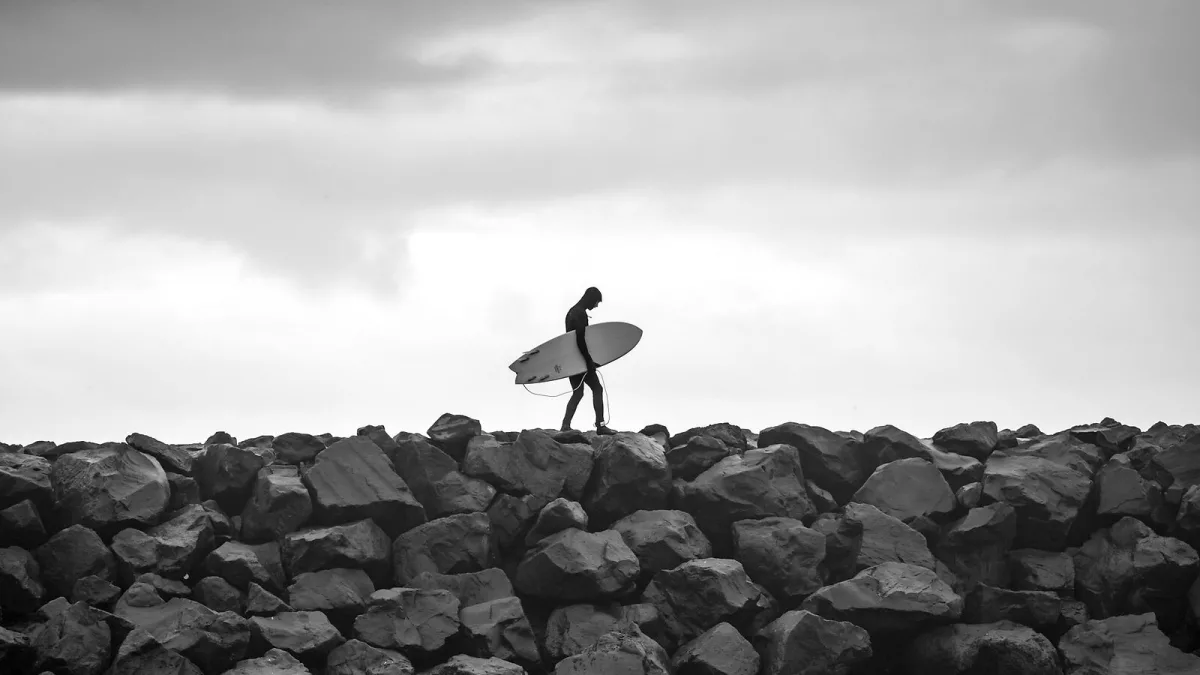
The surf rock canon includes some of the most immediately recognisable guitar tracks in American music. These are the recordings that defined the genre and the ones that have kept it relevant across sixty years.
Misirlou — Dick Dale & His Del-Tones (1962)
The single most iconic surf rock recording. Based on a melody drawn from Greek or Middle Eastern folk music, "Misirlou" showcases Dick Dale's technique at its most extreme — single-string fast picking with extreme reverb, played at high tempo with no chord changes for long stretches. It is simultaneously a technical demonstration and a deeply hypnotic listening experience. Its use to open Pulp Fiction in 1994 introduced it to millions who had never heard of it.
Wipe Out — The Surfaris (1963)
The drum solo at the start of "Wipe Out" is one of the most recognisable moments in 1960s popular music. The track opens with the sound of someone laughing and a voice saying "wipe out" before Ron Wilson's drums kick in, followed by the circular guitar riff. It reached number two in the US charts in 1963 and has never really gone away.
Walk Don't Run — The Ventures (1960)
The track that established the clean, melodic instrumental guitar sound the genre would later adopt. The Ventures' version of this Chet Atkins composition is elegant and precise, with a melody that's immediately memorable. The recording reached the US top ten and demonstrated there was a mass audience for guitar instrumentals.
Surfin' U.S.A. — The Beach Boys (1963)
The Beach Boys' signature early track, built on the chord progression and energy of Chuck Berry's "Sweet Little Sixteen" with lyrics about California surf spots. The harmonies are already recognisably Beach Boys, the production is clean and the enthusiasm is genuine. It's the template for vocal surf rock.
Pipeline — The Chantays (1963)
Another instrumental classic, "Pipeline" by the Chantays from Santa Ana is one of the most effective guitar tracks the genre produced. The descending riff at the opening, the climbing middle section and the overall arrangement show what this genre's instrumentals could achieve beyond Dick Dale's full-throttle approach — here is mood and atmosphere.
Surfer Girl — The Beach Boys (1963)
A slower Beach Boys track than most of their early work, "Surfer Girl" shows Brian Wilson's ballad writing emerging. The harmonies are lush and the melody is genuinely lovely. It's the gentle counterpart to the energy of "Surfin' U.S.A." and demonstrates the emotional range the vocal tradition was capable of.
Let's Go Trippin' — Dick Dale (1961)
Often cited as the first proper surf rock recording, "Let's Go Trippin'" is where the genre begins. It's not as polished or extreme as "Misirlou," but the reverb-guitar template is already in place and the energy is clear. Hearing it alongside later recordings makes the development of the form concrete.
For the albums these tracks appear on, the essential surf rock albums guide covers the key releases. For the artists behind them, the artists guide provides the context.




Comments