

Sludge Metal article
Sludge Metal Subgenres, Explained
From the classic New Orleans sound through sludgecore, post-metal and drone variants, the genre splits into meaningfully different styles — here is how they relate and what distinguishes them.
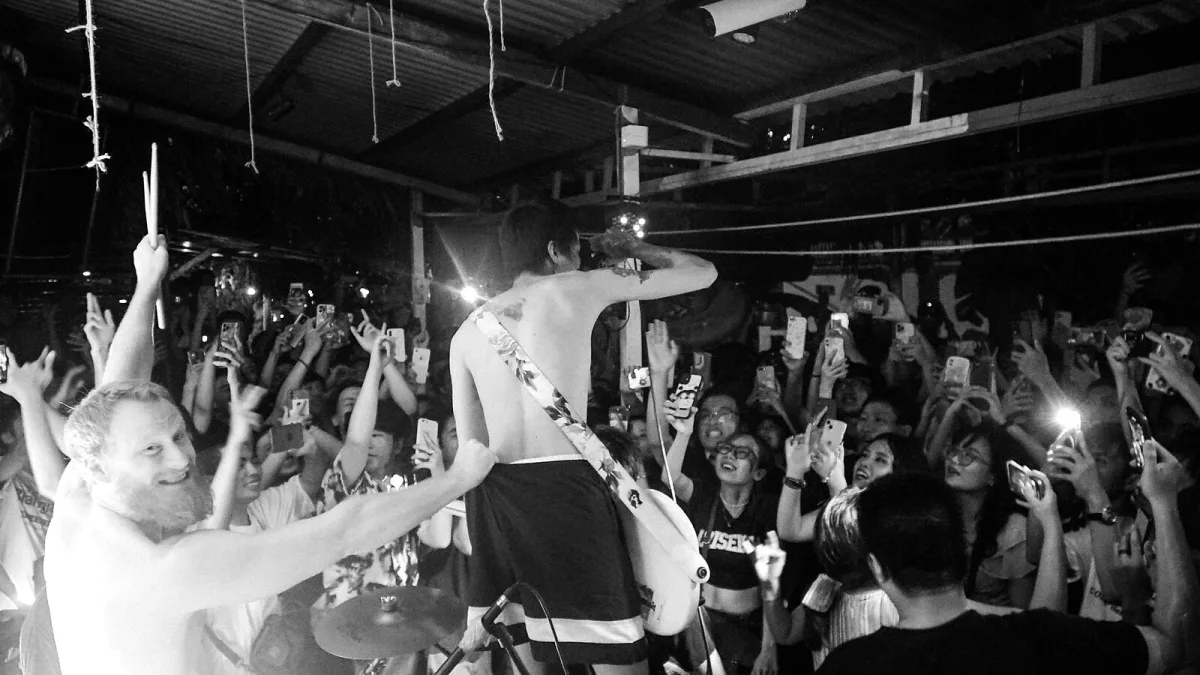
The genre covers more ground than a single sound. Within the broad category, there are meaningfully different approaches — some slower, some more punk-driven, some atmospheric, some geographically distinct. Understanding these variations makes it easier to navigate the genre and find the specific style that suits you.
Classic New Orleans Sludge Metal
The most recognisable form is the New Orleans style developed by Eyehategod, Crowbar and Acid Bath in the early 1990s. This variant is characterised by heavily distorted riffs, themes of addiction and social collapse, deliberately raw production and vocals that lean toward screaming or rasping. The tempo is slow to mid-paced but can erupt into faster hardcore passages without warning. This is the core sludge metal sound that most other variants are measured against.
Sludgecore
Sludgecore emphasises the hardcore punk side of the equation more explicitly. The riffs are still heavy and down-tuned, but the songs are often shorter, faster and more directly confrontational. The production tends toward even more abrasive and raw recording approaches. Buzzov-en are a useful reference point here — their approach is closer to hardcore in structure and aggression than Crowbar's more deliberately metallic heaviness.
Post-Metal
Post-metal grew from the heaviness of sludge metal and extended it toward cinematic atmosphere, longer song structures and dynamic contrast — quiet passages building toward enormous crescendos, and the riff as a textural element rather than a purely aggressive one. Oakland's Neurosis is the primary reference, with later bands like Isis, Pelican and Cult of Luna developing the approach further. The tempo is often slow, the production often layered and the emotional register more ambiguous than the raw hostility of New Orleans sludge.
Ultra-Slow and Drone Variants
Some bands took the doom side of the sludge metal formula to its absolute furthest conclusion. Grief and Noothgrush operated at tempos so slow that the music approached drone, and the emotional effect was one of pure desolation rather than aggression. This variant prioritises atmosphere generated by near-static riffs and extreme slowness over any punk urgency. It is often described as funeral doom-adjacent when taken to its extreme.
Southern and Regional Variations
The New Orleans scene grew partly from specifically Southern characteristics — heavy blues, regional identity, an intense local club culture. Down, featuring members of Pantera and Crowbar, brought a version of Southern heavy music to a broader metal audience that retained the Louisiana character without being as extreme. Corrosion of Conformity's early-1990s work similarly connected Southern rock, metal and hardcore in ways adjacent to the core sludge sound. See the full genre overview for how these variants all connect back to the central sound.





Comments