


Pop Punk article
Essential Pop Punk Albums Explained
Not a ranking — a case for what each of these ten records actually did that hadn't been done before, from the Ramones to Fall Out Boy.
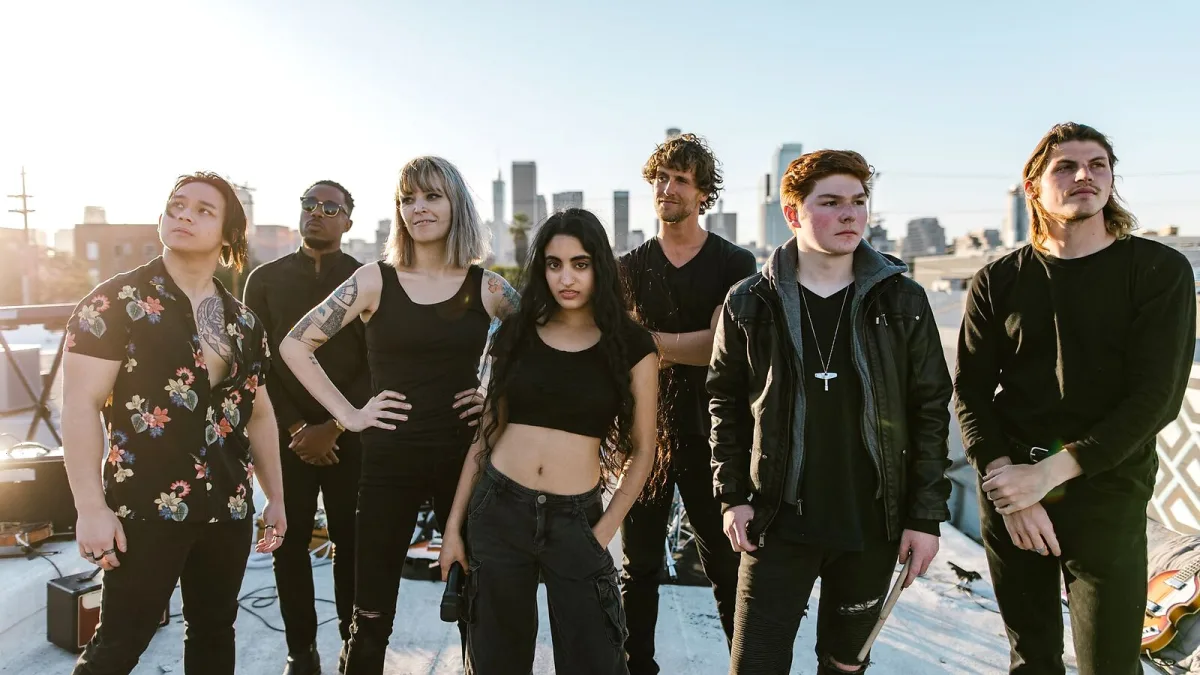
Forget ranking these by "best" — that's a bar-stool argument nobody wins. What actually matters is what each record did that hadn't been done before. These are the albums that moved this genre forward, one at a time, and why each one earns its place.
Ramones — Rocket to Russia (1977)
Not the band's debut, but the one where the formula clicks into place completely: short songs, huge hooks, zero wasted seconds. Every band on this list owes something to this record's economy, whether they'd admit it or not.
Buzzcocks — Singles Going Steady (1979)
A singles compilation that plays like the tightest album ever assembled. This is the record that proved punk energy and genuinely romantic songwriting weren't opposites — you could write about heartbreak and still sound furious.
Descendents — Milo Goes to College (1982)
The bridge record. Hardcore speed, but with melodies and lyrics that were personal rather than political, sung by a band that sounded like actual teenagers rather than a manifesto. Half the pop-punk bands of the 1990s are working from this blueprint, whether they know it or not.
Bad Religion — Suffer (1988)
Faster, sharper and more tightly harmonised than most of what came before it. Suffer proved melodic hardcore could be intellectually direct without losing an ounce of speed, and its influence runs straight through to the vocal harmonies all over 1990s records.
Green Day — Dookie (1994)
The record that broke the dam. Dookie took a scrappy Bay Area sound and turned it into a genuine cultural moment, with production clean enough for radio and songwriting sharp enough to actually deserve the airplay. Still the first record most people reach for when they want to explain this genre to someone new.
The Offspring — Smash (1994)
Rougher round the edges than Dookie, with more obvious skate-punk DNA, and it sold in numbers nobody expected from an independent punk record. Proof that 1994 wasn't a one-band fluke — it was a genuine moment.
blink-182 — Enema of the State (1999)
Cleaner, funnier, and considerably sharper songwriting than the band's reputation as a joke act usually gets credit for. This record set the template — polished production, big choruses, videos as memorable as the songs — that half the 2000s scene would follow directly.
Sum 41 — All Killer No Filler (2001)
Metal riffs and skate-punk energy bolted onto pop-punk songwriting, and somehow it all hangs together. Loud, fast, occasionally daft, and completely unembarrassed about any of it.
Fall Out Boy — From Under the Cork Tree (2005)
The record that dragged this sound toward something more theatrical — bigger arrangements, sharper wit, genuine drama that hadn't really been there in the genre before. It's the clearest bridge to emo on this whole list.
The Wonder Years — The Upsides (2010)
Rawer and more emotionally direct than the 2000s mainstream era, this is the record that helped define a new, more autobiographical wave built on touring and word of mouth rather than radio.
The Bottom Line
Ten records, five decades, and a genre that keeps finding new ways to reinvent the same basic promise. For the artists behind these albums, see the best pop punk artists to know, and for the full story of how it all connects, read the history of pop punk. Want individual tracks instead of full albums? See our pick of essential songs. New to all this? Start with our beginner's guide and where to start as a newcomer, or dig into the subgenres these records helped create.






Comments