


Nu Metal article
Nu Metal Subgenres, Explained
Say "nu metal" and most people picture one interchangeable sound. Spend an afternoon actually listening and you'll find several genuinely distinct camps.
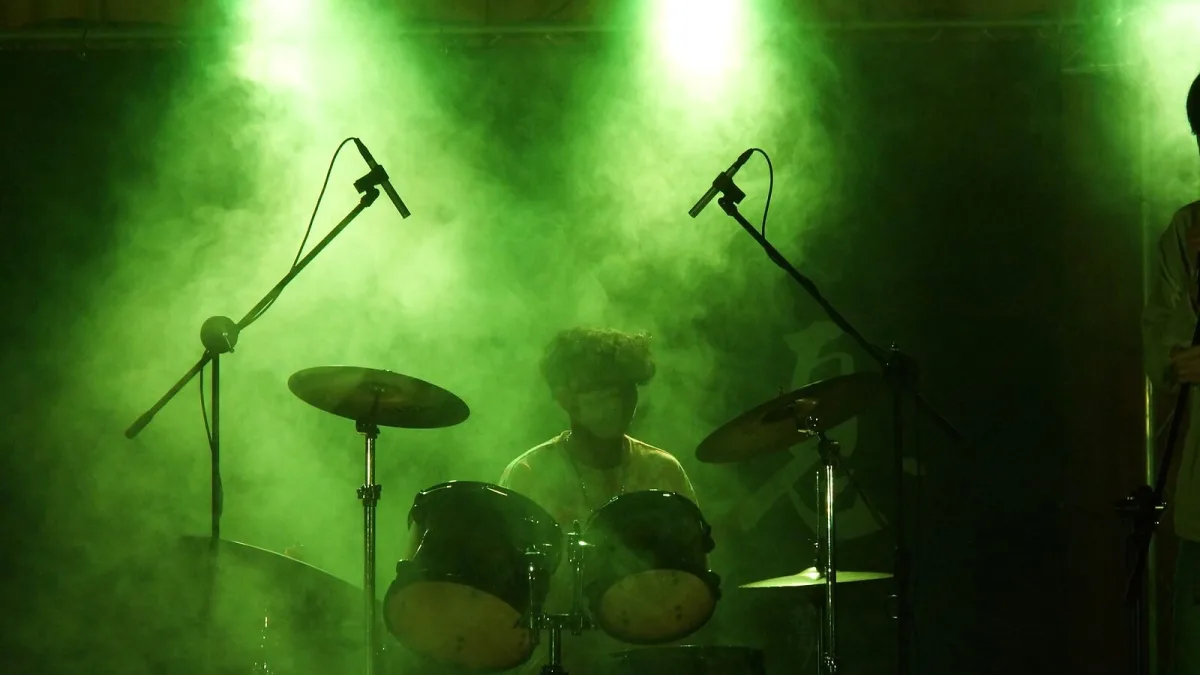
Say "nu metal" to most people and they picture one interchangeable sound. Spend an afternoon actually listening and you'll find several genuinely distinct nu metal subgenres sheltering under that one umbrella term, each pulling the same raw ingredients somewhere completely different. Here's how to actually tell them apart.
Rap-Rock
This is the camp most people picture first: rapped or spoken verses, turntables, sample manipulation and a rhythmic, hip-hop-derived pocket sitting underneath heavy, downtuned guitars. Limp Bizkit made this side of the genre enormously visible, with Fred Durst's confrontational, plain-spoken delivery, Wes Borland's textured guitar work and DJ Lethal's scratching pulling it together into a genuinely distinct style rather than just "metal with rapping."
Groove-and-Atmosphere
At the opposite end sits a strand built more on mood and dynamics than aggression or rhythm-first songwriting. Deftones are the clearest example, particularly on records like White Pony, where shoegaze, dream pop and genuine sonic experimentation matter as much as any downtuned riff. This is the subgenre most likely to surprise a newcomer expecting only rap verses and shouted choruses.
Theatrical Extremity
Slipknot built an entire identity around pushing this sound toward chaos and spectacle: nine members, masks, extra percussionists, samples and a genuinely aggressive vocal approach from Corey Taylor. Static-X and Mudvayne sit in similar territory, favouring technical strangeness and a rawer, more confrontational presentation over anything resembling radio polish. Of all the nu metal subgenres covered here, this is the one built most explicitly around live spectacle rather than studio songcraft alone.
Radio-Ready Alternative Metal
Linkin Park proved that heavy guitars, turntables and programming could sit comfortably alongside genuinely polished, melodic songwriting built for mainstream radio. This more accessible strand is what actually carried the wider sound to listeners who'd never touched a metal record before, and it's a large part of why the genre became as commercially enormous as it did between 2000 and 2003. Producer Don Gilmore's polished, controlled approach on those records is the clearest sonic signature of this particular camp, sitting at the opposite end of the spectrum from Ross Robinson's rawer, more physically intense work on Korn and Slipknot.
Politically Charged and Genre-Bending
System of a Down never fit neatly into any of the camps above, and that's rather the point. Serj Tankian and Daron Malakian built songs around irregular phrasing, pointed political lyrics and Armenian musical influence, refusing to smooth out a single odd edge for commercial convenience. P.O.D. carved out their own distinct space too, bringing an openly spiritual, defiantly optimistic perspective into a scene that otherwise ran largely on anger and aggression. Both bands are proof that the same rough toolkit — downtuned guitars, heavy grooves, a willingness to mix genres freely — could still produce something that sounded like nobody else around it.
What This Isn't
A genuinely useful distinction: alternative metal is the broader, older category this whole sound grew out of, covering earlier bands like Faith No More, Helmet and Rage Against the Machine as well as plenty of later acts that share the DNA without fitting the more specific commercial template above. Industrial metal is a related but separate lane, leaning more heavily on programmed sounds and mechanical repetition than on hip-hop rhythm or rap vocals. Treating every heavy, groove-based band from this period as automatically part of one single category is exactly the kind of flattening that makes this whole era easy to dismiss and hard to actually understand. Learning to spot these nu metal subgenres properly is most of what separates a lazy "it's all the same" opinion from an actual understanding of the period.
Once you can hear the difference between Limp Bizkit's rap-rock, Deftones' atmosphere and Slipknot's theatrical extremity, this whole era stops sounding like one thing and starts sounding like a genuinely interesting argument. Our guide to the best nu metal artists and newcomer's listening path both build directly on the map laid out above.





Comments