


Rockabilly article
A Beginner's Guide to Rockabilly
Country phrasing sung with rhythm-and-blues urgency — here's your gentle, no-jargon introduction to what rockabilly actually is.
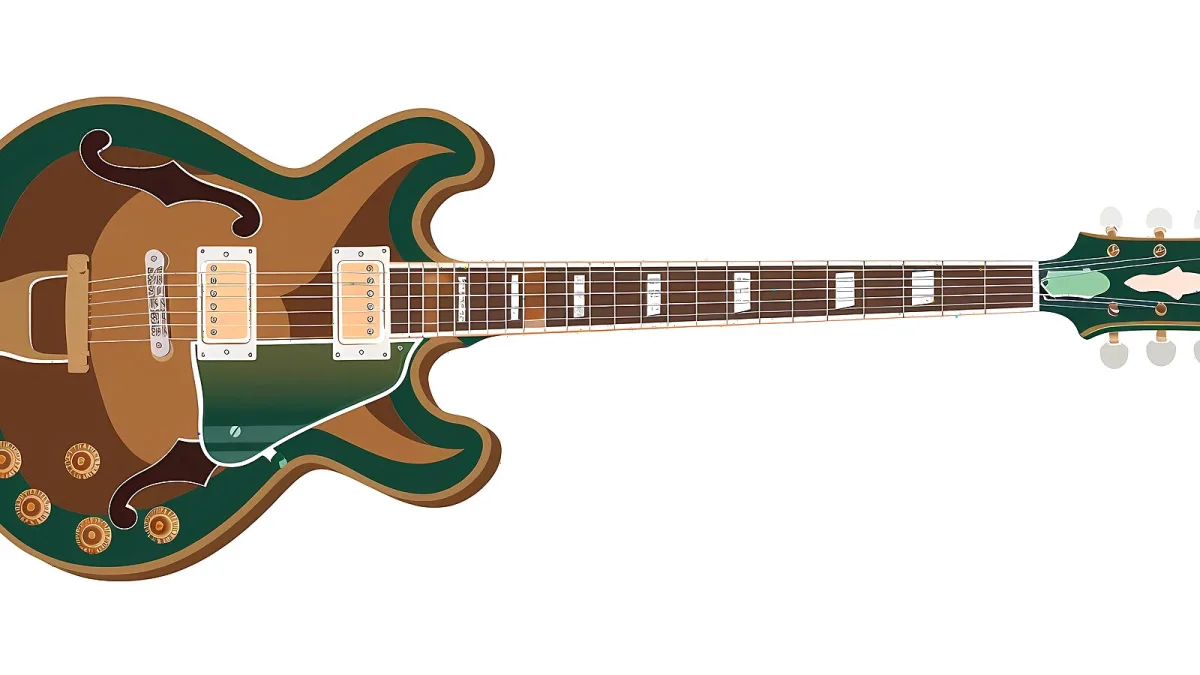
Let's start simply, the way I'd start with any new pupil: rockabilly is what happens when country music borrows the urgency of rhythm and blues. Once that idea clicks, the rest of the genre — the twangy guitar, the slapping bass, the hiccupping vocals — all makes a lot more sense. This is your gentle, no-jargon introduction to what rockabilly actually is.
What Rockabilly Actually Sounds Like
Picture country phrasing sung with rhythm-and-blues urgency, and you're most of the way there. The style favours short, punchy songs, a strong dance rhythm, and vocals with real character — slides, hiccups, sudden changes of register. There's often a light slapback echo on the voice and guitar too, giving the recordings that distinctive, slightly ghostly repeat you'll recognise once you've heard it a few times. None of this needs to be intimidating; it's really just a handful of ingredients used with conviction.
The Classic Line-Up
A traditional rockabilly band is refreshingly small. You'll typically hear:
- An electric guitar for bright, twangy lead fills between vocal lines.
- An acoustic rhythm guitar keeping a steady country-style chop.
- An upright bass, often played with a percussive "slap" technique that lets the string strike the fingerboard.
- A singer carrying most of the rhythmic personality.
Drums are optional rather than essential — in a lot of classic recordings, that slapped upright bass does the job of a drum kit almost on its own. When a band did add drums, piano, steel guitar or fiddle, the arrangement generally stayed lean rather than crowded.
Where the Name Comes From
The name is generally understood as a blend of "rock" and "hillbilly", and that captures part of the story. But it's worth being honest about the rest of it: describing this music as simply "white country music" overlooks just how much it owes to African American blues, rhythm and blues and gospel traditions. The style really formed at a meeting point of country and western, blues, boogie-woogie, gospel and bluegrass, all colliding in the American South in the early-to-mid 1950s.
That mixed parentage matters more than a tidy label ever could. It's the reason a rockabilly record can sound both familiar and slightly wild at the same time — the comfort of a country song wearing the energy of rhythm and blues.
A Word About Sun Records
You'll hear Memphis's Sun Records mentioned constantly in conversations about this genre, and for good reason — its small-studio sound, and the trio format used by Elvis Presley, Scotty Moore and Bill Black, demonstrated the basic formula brilliantly. But no single label or singer invented it; musicians, producers and radio stations across the South all had a hand in shaping the sound. If that's the bit you're curious about, our full history of rockabilly goes into it properly.
Getting a Feel for the Rhythm
Most songs in this style sit on fast or moderately fast tempos, built from two-beat, shuffle or boogie-derived patterns, often over simple country chord progressions or a twelve-bar blues. Listen for short guitar fills answering the vocal line, rather than continuous soloing — that call-and-response feel is one of the genre's most consistent fingerprints, however sparse or busy the rest of the arrangement gets. Don't worry about naming every technique straight away; recognising the pattern by ear is the real skill, and it comes with a bit of patient listening.
The Bottom Line
At heart, rockabilly is a lean, energetic style built from a handful of clear ingredients: country phrasing, R&B urgency, a twangy guitar, a slapping bass and a singer who means it. Once you can hear those pieces, the whole genre opens up. From here, our guide to the key artists and essential songs are natural next steps, and if you'd simply like a ready-made listening order, our piece on where to start as a newcomer lays one out for you.




Comments