


Phonk article
The History of Phonk
A raw, unglamorous Memphis sound that nearly disappeared, then came back louder than ever. Here is phonk's history, told properly, era by era.
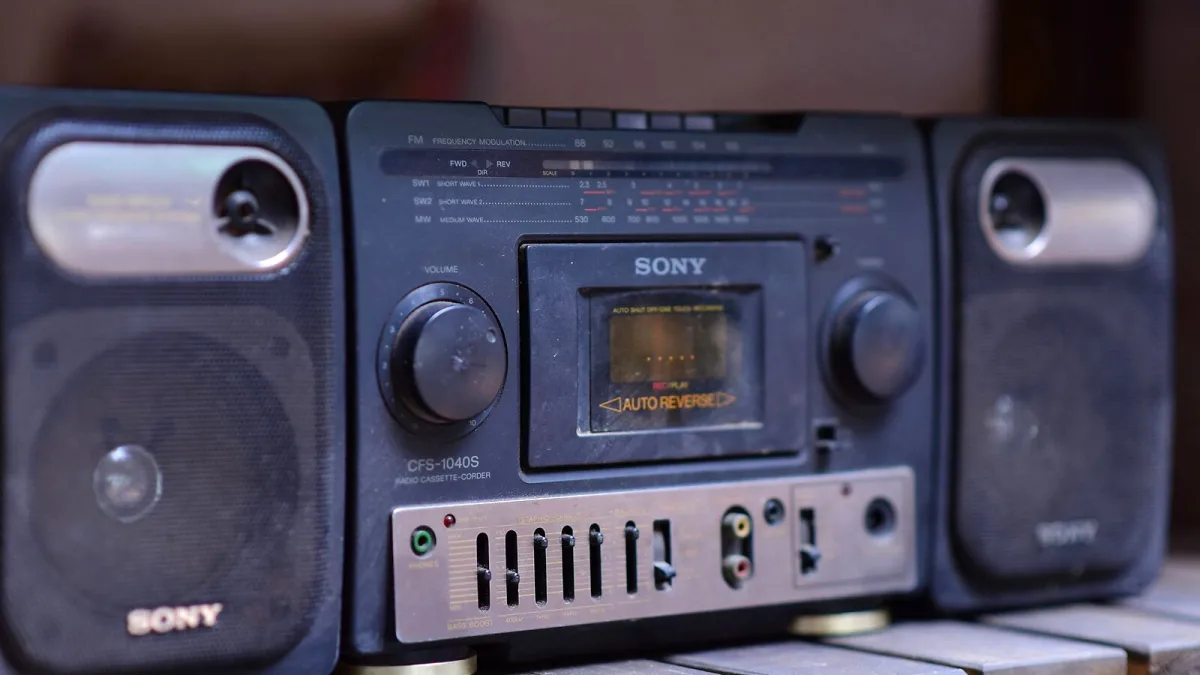
Every scene worth caring about has an underdog story buried in it, and phonk has one of the best: a raw, unglamorous Memphis sound that got left for dead commercially, then found a second life on bedroom producers' laptops decades later. Here is that story told properly, era by era, with the names who actually shaped it along the way.
The Memphis Foundations (Late 1980s–1990s)
Long before anyone used the word, the blueprint was being drawn up in Memphis, Tennessee. Local rap crews were making minimal, loop-based tracks soaked in horror-movie atmosphere, cassette-tape hiss and aggressive, repetitive drums — a world away from the polished coasts-driven hip-hop dominating the charts at the time.
Three 6 Mafia are the name most often credited here, their dark, sample-heavy records giving the era its signature mood. But the Memphis underground ran much deeper than one group: DJ Spanish Fly, Tommy Wright III, Lord Infamous, Koopsta Knicca and DJ Zirk were all putting out tapes with the same raw, low-budget menace, and it is this whole scene — not any single record — that later producers would go back to and mine for material.
The SoundCloud Revival (Early 2010s)
The genre as most fans know it today really took shape roughly two decades later, once a new generation of producers started uploading tracks built from that older Memphis material to SoundCloud. This is where the name itself gets attached to the sound in a lasting way, largely through the Florida rapper and producer SpaceGhostPurrp, whose early-2010s releases — including a mixtape explicitly titled Mysterious Phonk: The Chronicles of SpaceGhostPurrp — are among the clearest, earliest examples of the word being used on a release itself.
Around the same underground moment, producers such as DJ Smokey and Soudiere were building sample-heavy, lo-fi instrumentals in a very similar vein, while Memphis-influenced rappers including Xavier Wulf and Chris Travis carried that same dark, tape-worn imagery into the wider SoundCloud underground. If you want a proper introduction to these names and more, our rundown of the artists worth knowing goes into far more depth than a history piece has room for.
Drift Phonk And The Cowbell Boom (Late 2010s Onward)
The next big shift is the one most casual listeners actually recognise: faster, harder, cowbell-led drift phonk, closely tied to car-drifting edits and short-form video. This branch is widely associated with a wave of largely Russian and Eastern European producers in the late 2010s, though there is no single agreed inventor — it emerged from an internet scene rather than one studio.
KORDHELL, whose distorted, cowbell-heavy productions became a genuine global phenomenon in the early 2020s, and DVRST, whose track "Close Eyes" spread everywhere from gym playlists to street-racing edits, are the two names most commonly pointed to as the sound's breakout moment. INTERWORLD followed closely with a similarly huge streaming and video presence. It is a genuinely different listening experience to the hazy, vocal-led records of a decade earlier — more clipped, more forceful, and built for a fifteen-second clip rather than a slow, hypnotic loop.
Going Global
From there, the sound kept travelling. Producers outside Russia and the United States began blending the drift template with their own regional styles — Brazilian producers, in particular, folded elements of baile funk and local percussion into the mix, giving rise to the loosely defined "Brazilian phonk" label you will still see used online today. Elsewhere, producers started crossing the drift template with four-on-the-floor house rhythms, giving dancefloors their own version of the same cowbell-and-bass vocabulary. None of this settled into anything like a formal rulebook; it simply kept absorbing new influences as it spread, the way genuinely underground scenes tend to. Our guide to its subgenres untangles exactly how many directions it has since split into, and how those labels differ from one another in practice.
A Timeline At A Glance
| Era | Roughly when | What defined it |
|---|---|---|
| Memphis underground | Late 1980s–1990s | Dark, minimal, tape-hiss rap; Three 6 Mafia and the wider Memphis scene |
| SoundCloud revival | Early 2010s | SpaceGhostPurrp and peers sampling that older material, naming the sound explicitly |
| Drift phonk | Late 2010s–early 2020s | Faster tempos, cowbell melodies, distorted bass; KORDHELL, DVRST, INTERWORLD |
| Global spread | 2020s onward | Regional variants including Brazilian phonk; house and trap crossovers |
Where The Story Stands Now
What makes this history genuinely satisfying is how honestly scrappy it is: a scene built by unsigned Memphis rappers, kept alive by anonymous SoundCloud uploaders, and finally pushed into the mainstream by producers most casual listeners still cannot name. If you are only arriving now, our beginner-friendly overview is the natural next stop, and the essential albums behind this story put names to some of the records mentioned above. Whatever comes next for the sound, it is worth remembering it has already survived one near-total disappearance and come back louder — that is not a bad trick for a genre that started on cassette tapes nobody outside Memphis was meant to hear, and one that a whole new audience is still discovering for the first time every single day.




Comments