


Jungle Music roundup
The Best Jungle Music Artists to Know
Cinematic darkness, jazz-soaked calm and ragga-fuelled energy: the jungle music artists who built the genre, grouped by direction.
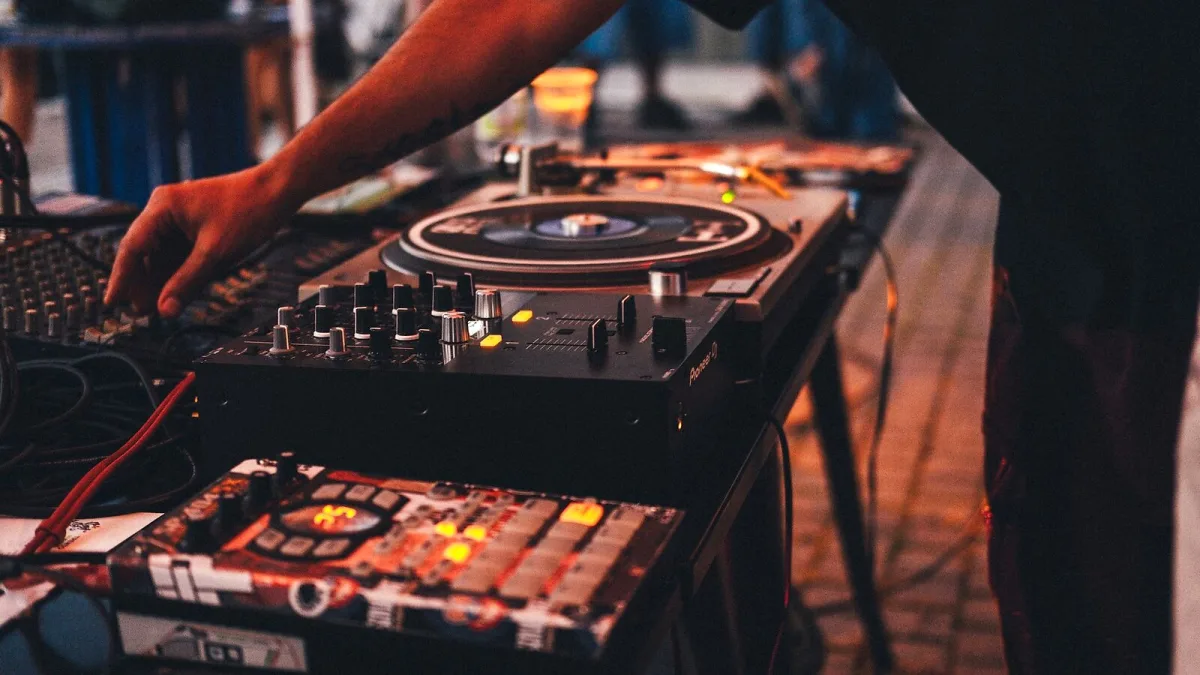
Jungle was never a one-sound scene, and that's exactly why it's stayed interesting for over three decades. Ask a dark, cinematic producer and a smooth, jazz-loving one what they make, and you'll get two completely different answers that both count as jungle music artists. Add in the DJs who actually broke this material on pirate radio and in sweaty club rooms, and you've got a scene built from several genuinely different creative instincts pulling in the same rough direction at once. Here are the names that matter, grouped by the direction each of them took the sound.
The Cinematic and Dark End
- Goldie — the name most people reach for first. His atmospheric, cinematic productions, including "Terminator" and "Inner City Life," pushed the genre toward something far more ambitious than a rave soundtrack, and his Metalheadz label became a home for similarly dark, technically bold work.
The Smooth, Atmospheric Side
- LTJ Bukem — the leading figure in what got called "intelligent" jungle: lush textures, jazz-influenced harmony and spacious, unhurried arrangements. His Good Looking Records label became the natural home for that whole sound.
The Hard, Ragga-Influenced End
- Shy FX — known for hard, ragga-flavoured jungle, including "Original Nuttah," one of the genre's most recognisable vocal-led records.
- Remarc — associated with highly energetic, heavily edited breakbeat production with a strong ragga influence running through it.
- DJ Hype — a hugely influential DJ and producer tied closely to the development and popularisation of the genre's harder, bass-heavy sound.
The DJs Who Built the Audience
Production only tells half the story — this was a DJ-driven scene, and a handful of names shaped what audiences actually heard on the night. Pirate radio slots and club residencies were how new records actually reached people in the early 1990s, long before streaming existed, so the DJs playing them were just as central to the culture as the producers making them.
- Fabio and Grooverider — their AWOL club nights helped establish the genre as a serious club form, not just a rave offshoot, and their pirate radio sets carried real weight in shaping what the wider scene considered essential listening.
- DJ Randall — a key figure from the formative early-1990s period, closely tied to the rougher, rawer end of the sound.
- Micky Finn, DJ Rap and Kenny Ken — frequently named among the DJs who championed the sound in its earliest years, taking it from pirate radio into clubs across the country and helping build the audience that later crossover moments would rely on.
The Experimenters
Not everyone in this scene was chasing a dancefloor reaction first. A smaller group of producers treated the studio itself as the instrument, pushing the technical side of breakbeat production somewhere genuinely new.
- 4hero — associated with Reinforced Records, pushing toward more sophisticated, futuristic breakbeat production that drew as much on jazz fusion as on rave culture.
- A Guy Called Gerald — an important adjacent figure connecting Manchester techno and breakbeat experimentation to the wider scene, showing the sound wasn't purely a London phenomenon.
The Crossover Moment
By the mid-to-late 1990s, one act proved the sound could travel well beyond specialist clubs and pirate radio entirely.
- Roni Size / Reprazent — combined jungle and drum and bass production with live instrumentation, jazz and soul. Their album New Forms won the 1997 Mercury Prize, a genuine crossover moment that took the sound into rooms it had never reached before, and introduced a wider, non-specialist audience to a scene most of them had never encountered directly.
That's arguably the moment several of the jungle music artists above stopped being a purely underground concern and became something the mainstream music press had to take seriously.
For the full arc connecting all of these names chronologically, our history of jungle music lays the whole story out properly, and our guide to its subgenres explains why these artists sound so different from each other despite sharing a genre tag.
Where to Actually Start
Don't try to work through every name above in one sitting. Pick one from each section — Goldie for cinematic scale, LTJ Bukem for atmosphere, Shy FX for energy, Roni Size for the crossover moment — and you'll hear the genre's real range in under an hour. If you'd rather start with individual tracks than dig through full discographies, our pick of the best jungle music songs pulls key moments from most of the artists above, and our rundown of essential albums covers the full releases behind them.
The Bottom Line
There's no single defining voice among jungle music artists, and that's the whole point — the genre's strength was always its range, from Goldie's cinematic darkness to LTJ Bukem's jazz-soaked calm to Shy FX's rougher energy. Follow your ear across these names rather than hunting for one "best" artist, and you'll understand the scene's real character far faster than any single record could show you alone.



Comments