


Electropop article
The History of Electropop
Electropop's history runs from Kraftwerk's 1970s synthesiser records through the 1980s British scene, a 1990s underground period, a 2000s revival, and mainstream absorption in the 2010s.
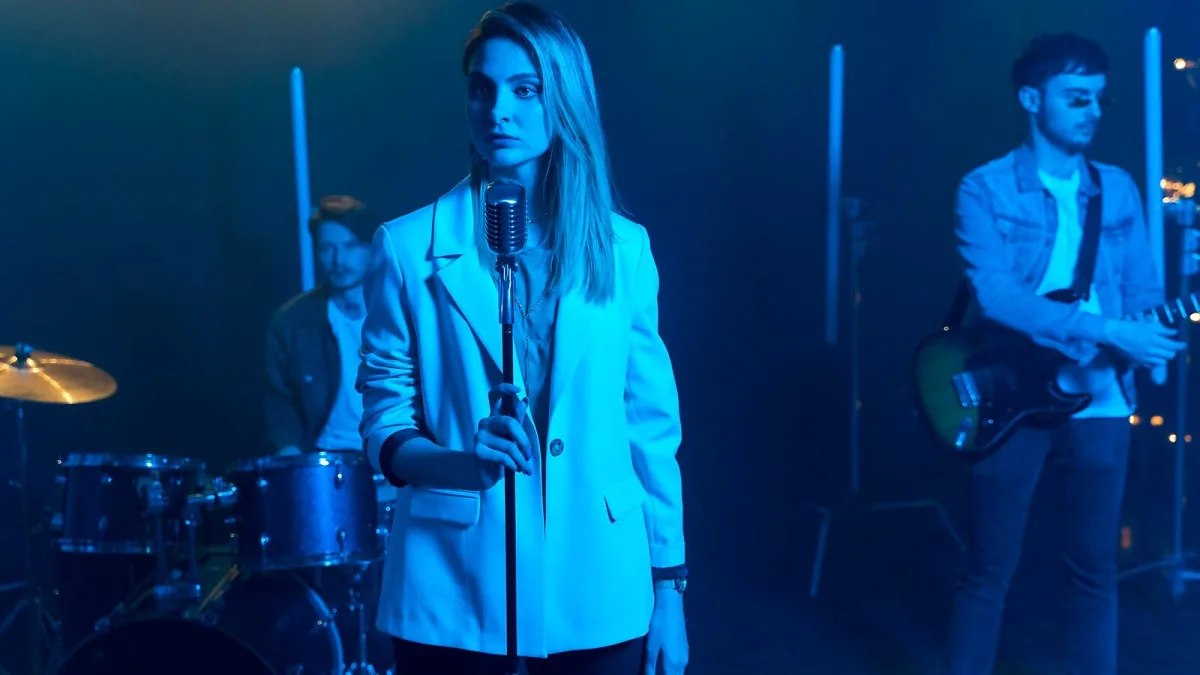
The history of electropop spans five decades, from the synthesiser laboratories of 1970s Germany to the global streaming playlists of the present day. The genre has never disappeared — it has shifted in sound, scale, and cultural context, but the combination of electronic production and pop songwriting has remained a consistent force in popular music.
The 1970s: Foundations
The conditions for the genre were established by Kraftwerk, the Düsseldorf group whose records "Autobahn" (1974), "Trans-Europe Express" (1977), and "The Man-Machine" (1978) demonstrated that synthesisers and drum machines could produce music that was not only experimental but melodic and accessible. These records were widely heard in the UK and United States and directly influenced a generation of musicians who were looking for a new pop approach as punk's energy began to dissipate.
The 1980s: The Genre Takes Shape
The early 1980s produced the first electropop wave. The Human League's "Dare" (1981), OMD's "Architecture & Morality" (1981), and Depeche Mode's earliest work established the British form: cold, clean synthesiser tones combined with human emotion and pop melody. Gary Numan had already taken a version of the sound to number one in 1979 with "Are 'Friends' Electric?". Soft Cell, Yazoo, and the Pet Shop Boys extended the range through the decade, each adding different levels of camp, sadness, and irony to the formula.
The 1990s: The Underground Period
Mainstream electropop receded during the 1990s, displaced by grunge, Britpop, and later by the commercial dominance of R&B and hip-hop. The genre continued in underground electronic music and club culture — Nine Inch Nails brought an industrial variant to mainstream attention, and various acts kept the melodic electronic pop tradition alive in smaller venues. Erasure and the Pet Shop Boys continued to release records and maintain audiences throughout the decade.
The 2000s: The Revival
Electropop returned to critical attention in the early 2000s through acts including Ladytron, CSS (Cansei de Ser Sexy), and Goldfrapp. The most significant revival figure was Robyn, the Swedish artist whose self-titled album (2005) and subsequent "Body Talk" series (2010) renewed interest in the genre internationally and earned substantial critical and commercial recognition. The 2000s revival drew on 1980s aesthetics while incorporating contemporary production.
The 2010s and Beyond
The 2010s saw the genre fully absorbed into mainstream pop production. Carly Rae Jepsen's "Emotion" (2015) is widely cited as a landmark record. Charli XCX's evolution from pop songwriter to electropop and hyperpop figurehead charted the genre's continued development into harder, more digitally self-aware territory. Caroline Polachek, Marina, and numerous K-pop production teams have all contributed to what the sound looks like today.
For the essential records, see the electropop albums guide. For key artists, see the best electropop artists to know.



Comments