


Crunk roundup
The Best Crunk Artists to Know
From Lil Jon's mainstream polish to Three 6 Mafia's Memphis menace, here are the artists who actually built crunk.
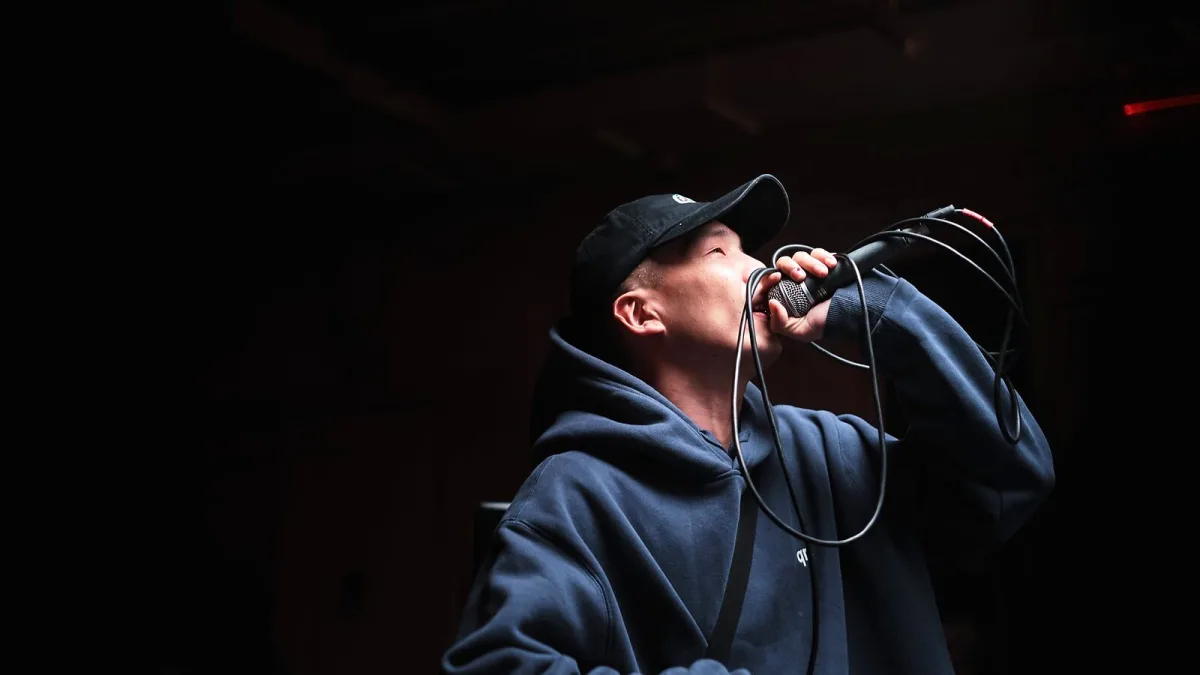
Crunk isn't really a genre of solo virtuosos — it's a genre of people who understood exactly what a crowded club needed at 1am, and built careers around delivering it. The artists below are the ones who actually shaped that sound, each contributing something the others didn't.
Lil Jon & the East Side Boyz
No name is more attached to this sound than Lil Jon, the Atlanta producer, DJ and rapper who became known as the genre's "King of Crunk." His skill wasn't complicated wordplay; it was understanding exactly how a record needed to function in a club — a blunt bass line, an abrasive synth hook, and a command simple enough for an entire room to shout back. Alongside the East Side Boyz, his run through the early 2000s, including "Get Low" and "Yeah!," took it from a regional Atlanta sound to a genuine national phenomenon.
Three 6 Mafia
Where Lil Jon brought polish, Three 6 Mafia brought menace. The Memphis collective, led by DJ Paul and Juicy J, built a darker, more stripped-down version of crunk out of horror-film imagery, sparse drum-machine grooves and genuinely unsettling group chants. Tracks like "Tear Da Club Up" set a template for aggression that Atlanta later brightened for mainstream consumption, and the group kept releasing significant work well into crunk's commercial peak, including 2005's "Stay Fly."
Ying Yang Twins
The Atlanta duo took crunk's call-and-response instincts and pushed them toward the dance floor specifically, with tracks like "Whistle While You Twurk" built almost entirely around a repeated vocal hook designed to trigger movement. Their gift was writing songs that functioned as instructions as much as music — you didn't just listen to a Ying Yang Twins record, you did what it told you.
Bone Crusher
Bone Crusher's biggest contribution, "Never Scared" featuring Killer Mike and T.I., is one of the clearest examples of crunk's love of a forceful, confrontational hook. It's not a subtle record, and it was never meant to be — the whole point was a shout that could survive being played through a car system with the windows down.
Pastor Troy, Trillville and Lil Scrappy
These three names rarely top a casual playlist of the genre, but each pushed the sound in a slightly different direction during its commercial peak. Pastor Troy brought a harder, more confrontational Atlanta voice to the wider conversation. Trillville leaned into the genre's rowdier party instincts. Lil Scrappy, closely tied to Lil Jon's camp, helped keep the sound's momentum going as the mid-2000s progressed. None of them are footnotes — together, they're a big part of why it felt like a genuine scene rather than one producer's solo project.
Crime Mob
Crime Mob's "Knuck If You Buck" showed a slightly younger, rowdier side of the same Atlanta scene, with group vocals and an aggressive energy that kept crunk's crowd-participation instincts alive even as the mid-2000s pushed the genre toward new directions.
How These Artists Fit Together
| Artist | What they contributed |
|---|---|
| Lil Jon & the East Side Boyz | Mainstream breakthrough, the genre's most recognisable sound and slogans |
| Three 6 Mafia | Darker Memphis foundations, horror-tinged production |
| Ying Yang Twins | Dance-floor-specific call-and-response hooks |
| Bone Crusher | Forceful, confrontational anthem-style records |
| Crime Mob | A rowdier, group-vocal-driven mid-2000s energy |
For the fuller story of how these acts fit into the genre's timeline, our history of crunk traces the Memphis-to-Atlanta arc in detail, and our list of essential crunk albums pulls together their most important releases.
Life After the Genre's Peak
What happened to these artists once the sound stopped dominating radio says a lot about who had staying power. Lil Jon is the clearest example — he kept a public profile for years afterwards, eventually scoring another massive mainstream hit with "Turn Down for What" alongside DJ Snake in 2013, proof that the production instincts he sharpened in Atlanta clubs translated to an entirely different decade and a different dance-music audience. Three 6 Mafia, meanwhile, leaned further into film and television work following their Academy Award win, while several of the Atlanta-scene names on this list stayed closely tied to the regional rap ecosystem that produced them, continuing to influence younger Southern artists long after the mainstream spotlight moved on to other sounds.
Where to Start Listening
If you only sample a handful of these artists, start with Lil Jon & the East Side Boyz for the sound that defined the mainstream era, then Three 6 Mafia for the darker roots it grew from. Our pick of essential crunk tracks is built to make that first listen straightforward.
The Bottom Line
Crunk's biggest names weren't chasing complexity — they were chasing the exact reaction a packed club needed, and each of the artists above found their own way to deliver it. Between Lil Jon's mainstream polish and Three 6 Mafia's Memphis menace sits a genuinely wide range of talent that's easy to underestimate if you've only ever heard "Get Low."




Comments