


Cantopop article
Cantopop Subgenres, Explained
Cantopop is not one sound but a family of related styles — here is how the main subgenres developed and what each one sounds like.
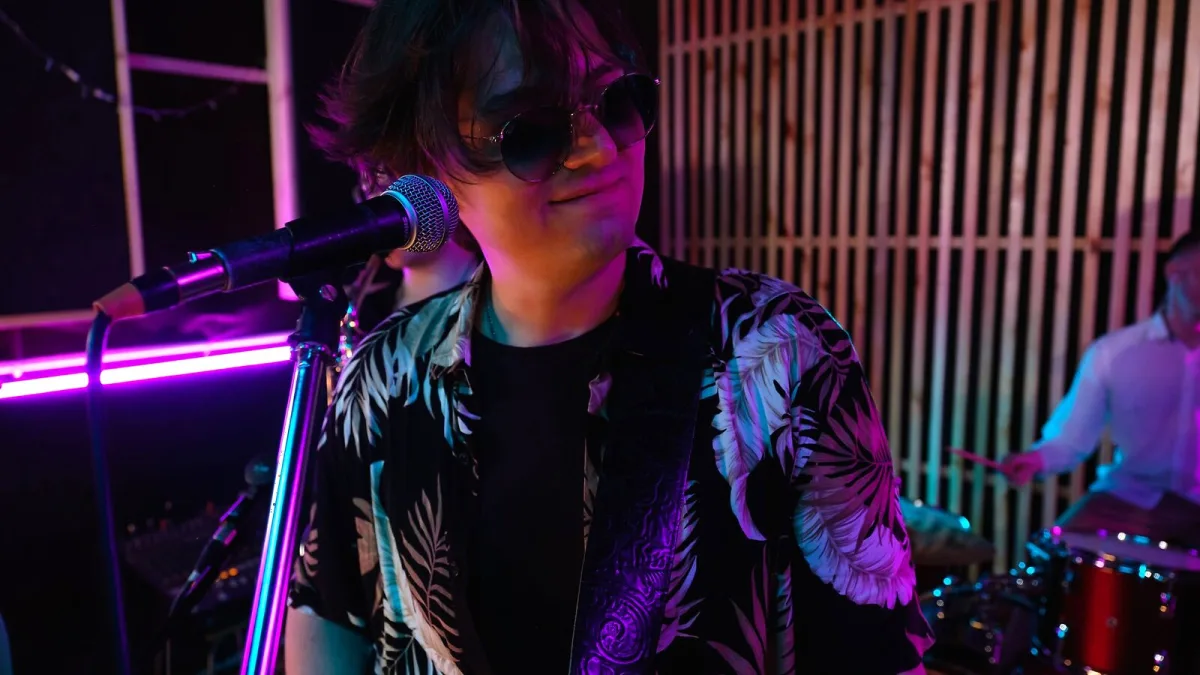
The genre is not a single sound — it is a family of related styles that developed alongside each other and in response to broader music industry and cultural changes in Hong Kong over five decades. Here is a map of the main subgenres and offshoots.
Classic Cantopop Ballad
The foundation of the genre and its most commercially dominant form from the 1980s through the 1990s. Characterised by lush orchestral arrangements, melodic writing that reflects Cantonese tonal patterns, and vocal performances emphasising emotional expressiveness over raw power. The golden era Four Heavenly Kings — Jacky Cheung, Andy Lau, Leon Lai and Aaron Kwok — were primarily ballad artists. Leslie Cheung and Anita Mui also produced definitive work in this form. The cantopop ballad tradition draws simultaneously on Western pop production and Chinese melodic sensibilities, particularly in the melodic ornamentation of lead vocal lines.
Cantopop Dance and Pop-Dance
Running parallel to the ballad tradition, Hong Kong pop dance tracks absorbed Western disco, synth-pop and later electronic dance music influences. Leslie Cheung's "Monica" (1984) was an early landmark. In the 1990s, the Four Heavenly Kings all had significant dance-oriented output alongside their ballad material. Aaron Kwok, in particular, built much of his pop brand around energetic dance performance, influenced by Michael Jackson and contemporary Western pop. The Taiwanese and Japanese influence on production in this period is audible.
Cantonese Rock (Cantometal / Cantorock)
A distinct tradition built around guitar-based rock rather than orchestral pop. Beyond is the defining band of this subgenre — guitar, bass, drums, original compositions and lyrical themes addressing social and political subjects. Their influence on Cantonese rock music extends to today. The subgenre also includes heavier outfits who built on Beyond's foundation and absorbed metal and punk influences through the 1990s and 2000s.
Cantopop New Wave and Alternative
From the late 1980s, some artists absorbed new wave influences — angular guitar, electronic production and more detached or ironic lyrical stances — from British and American alternative music. These acts existed on the margins of the commercial mainstream but influenced the independent music scene in Hong Kong significantly. The alternative tradition is less well-documented internationally but has had lasting influence on indie and experimental Cantonese music.
Contemporary C-Pop with Cantonese Lyrics
From the 2000s onwards, as Mandopop production values and C-pop aesthetics (influencing from K-pop formats, idol group structures, and global streaming production) became increasingly dominant in the Chinese-language pop market, some Hong Kong artists incorporated these influences while retaining Cantonese lyrics. Eason Chan's most recent output sits here — Hong Kong pop production in a contemporary global pop idiom. G.E.M. (鄧紫棋) occupies a similar space, with a pop-rock energy and Cantonese recording that has found audiences well outside Hong Kong.
Cantonese Hip-Hop and Trap
Not traditionally considered part of cantopop — and artists in this space often resist the label — Cantonese hip-hop has grown significantly since the 2010s, particularly among younger Hong Kong artists and the diaspora. MC Jin, a Cantonese-American rapper, brought Cantonese-language hip-hop to an international audience in the early 2000s. The subsequent generation has produced a vibrant Cantonese rap scene that connects to but stands apart from the cantopop tradition.
For the artists most central to these different strands, see the key cantopop artists guide. For broader genre context, the history of cantopop traces how these subgenres developed over time.
The Bottom Line
The cantopop landscape is broader than the ballad tradition that represents its commercial core. Cantonese rock (Beyond), dance-pop, alternative and contemporary C-pop-influenced Hong Kong music all reward exploration. The subgenres are not rigidly separate — the best artists often moved between them — but as a map it helps explain why the genre sounds so different depending on which artist or era you encounter first.






Comments