


Bossa Nova article
The History of Bossa Nova
The real story behind bossa nova — a contested first recording, two very different geniuses, and the album that took it worldwide.
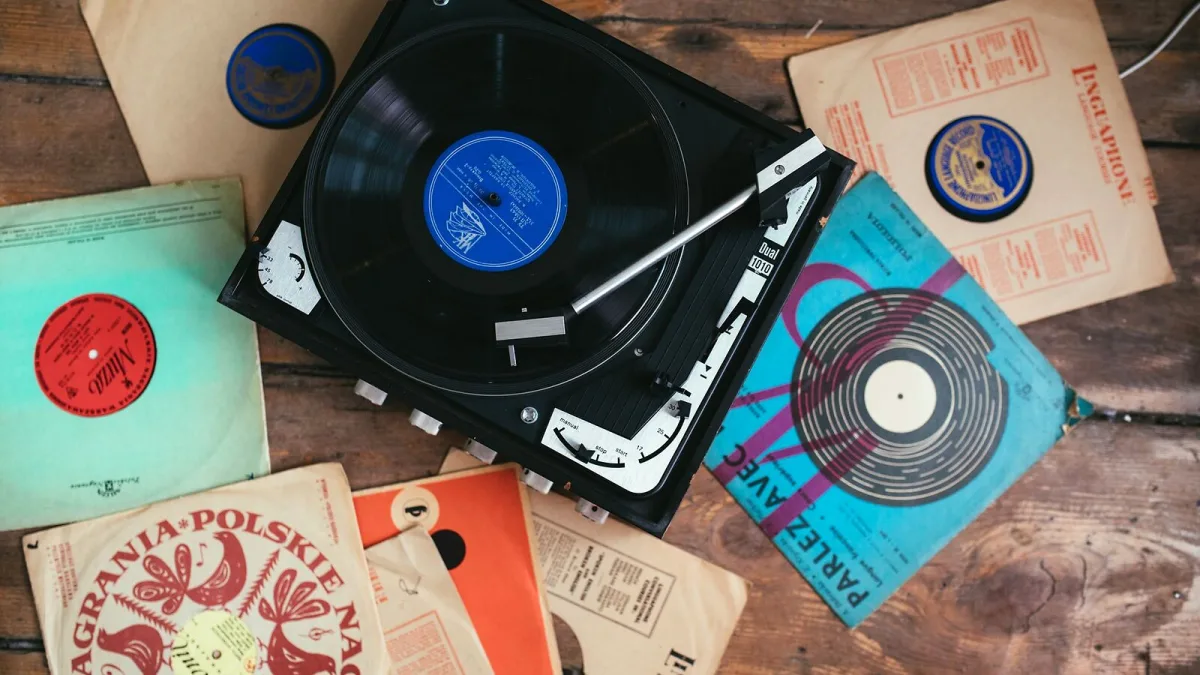
Every genre has an origin story people argue about, and bossa nova's is a good one. It didn't arrive with a manifesto or a scene name attached — it crept in through a handful of Rio de Janeiro apartments and one contested recording session, then quietly rewrote the rules of Brazilian music. Here's the version of that story the evidence actually supports, arguments and all.
Rio de Janeiro, Late 1950s
Forget any image of carnival spectacle. Bossa nova was born in a much smaller, quieter setting — the middle-class apartments and student hangouts of Rio de Janeiro, where a generation of musicians wanted something that suited small rooms rather than street parades. They kept samba's rhythmic backbone but stripped away the volume, swapping full percussion sections for a single guitar and a hushed vocal.
This wasn't a rejection of samba. It was samba, deliberately turned down and reshaped for a new setting — and that tension between roots and reinvention is still the most useful way to understand the genre today.
The Recording Everyone Argues About
Here's where it gets interesting. In 1958, singer Elizeth Cardoso released an album called Canção do Amor Demais, which included two songs written by composer Antônio Carlos Jobim and poet Vinícius de Moraes — “Chega de Saudade” and “Outra Vez” — with a young guitarist called João Gilberto playing on both. Some historians point to this record as the true starting gun.
Most, though, give the credit to what happened a year later: Gilberto's own 1959 album, also titled Chega de Saudade, which introduced his now-signature guitar approach and hushed vocal style to the public as a complete package. I'd argue that's the fairer call — Cardoso's record contains the ingredients, but Gilberto's is where they actually became a genre. Either way, the label “father of bossa nova”, usually pinned on Jobim or Gilberto, is a journalist's shorthand rather than an official title, and it does a disservice to everyone else in the room.
Gilberto's Guitar, Jobim's Chords
What made the sound so distinctive comes down to two people doing two different jobs brilliantly. Gilberto's right hand kept a steady thumb-driven bass pulse going while his fingers layered syncopated chords on top — two independent rhythmic ideas happening at once, which is harder than it sounds and impossible to fake. Jobim, meanwhile, supplied the harmonic sophistication: major sevenths, chromatic movement, chords that resolve somewhere you don't expect. Vinícius de Moraes wrote the lyrics that held it all together, conversational and unshowy in a way that matched the music perfectly. For more on how these three fit into the wider cast, see our guide to bossa nova's key artists.
The Jazz Handshake
The genre stayed a mostly Brazilian concern until 1964, when American saxophonist Stan Getz recorded Getz/Gilberto with João Gilberto and Jobim. The album won Album of the Year at the Grammys and turned “The Girl from Ipanema” — sung in English by Astrud Gilberto — into an international hit. It's the moment bossa nova stopped being a Brazilian secret and became a genuinely global sound, and it's still the record most non-Brazilian listeners meet first. You'll find it, and the albums either side of it, covered properly in our rundown of the essential albums.
What Happened Next
Bossa nova didn't fade so much as evolve. Its harmonic ideas fed directly into the broader wave of Brazilian pop that followed it through the rest of the 1960s, and its jazz crossover opened the door for guitarists like Baden Powell and Luiz Bonfá to push the style in more elaborate, virtuosic directions — Bonfá's instrumental “Manhã de Carnaval”, best known from the film Black Orpheus, is proof of how far that guitar tradition could stretch beyond Gilberto's deliberately economical original approach. Carlos Lyra and Roberto Menescal, part of the same early Rio circle, kept the songwriting side of the movement going through the decade as well. That branching-out is worth a closer look on its own — we cover it in our piece on bossa nova's offshoots.
The songs themselves, meanwhile, simply refused to date. Half a century on, tracks like “Desafinado” and “Corcovado” are jazz standards in their own right, still learned by musicians who weren't born when they were written. We've picked the essential ones in our guide to the defining tracks.
Why the History Still Matters
You don't need the full chronology to enjoy bossa nova, but knowing it changes how you hear it. That whisper-quiet guitar isn't a lack of ambition — it's a deliberate reaction against the noise around it, made by musicians confident enough to underplay everything. If you're only just discovering the genre, our introduction to the sound itself is the right place to fill in the gaps, and this newcomer's starting guide gives you a concrete listening order.
Sixty-odd years on, the arguments about who started it are still unresolved — and honestly, that's part of the appeal. Great scenes rarely have tidy origin stories, and this one is genuinely one of the best in modern music. Once you know it, you hear its fingerprints everywhere, from lounge records to film scores to the acoustic-guitar corners of modern pop.




Comments