


Amapiano article
Amapiano Subgenres, Explained
Stop treating this genre as one interchangeable sound. It isn't. Here's the honest map of the different camps sitting underneath the log drum and piano loops.
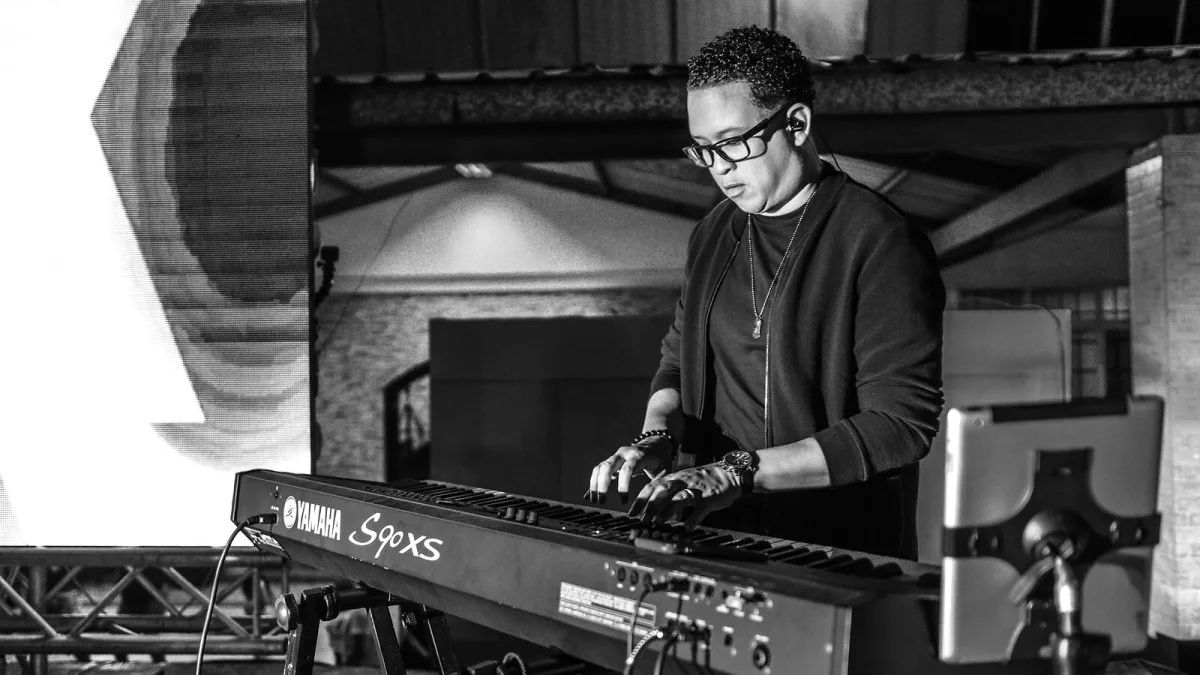
Stop treating this genre as one interchangeable sound. It isn't. Underneath the log drum and the piano loops sit genuinely different amapiano subgenres, each with its own priorities and its own audience. Here's the honest map.
Log-Drum-Heavy Club Amapiano
This is the sound most people picture: a deep, tuned log-drum bassline doing double duty as rhythm and hook, built specifically to move a room. Producers here prioritise physical low-end impact and syncopation over melodic complexity, and DJs like Uncle Waffles and DBN Gogo have carried this side of the genre into festival slots and international club nights. If you want the loudest, most immediate entry point, start here.
Private School Piano
At the opposite end sits a jazzier, more atmospheric strand often called "private school" piano, closely associated with Kelvin Momo. Extended instrumental passages, rich seventh-chord harmony and softer, more restrained percussion replace pure dancefloor intensity here — this is amapiano built as much for headphones and long-form listening as for a packed room. Don't skip it just because it's quieter; of all the amapiano subgenres covered here, it's arguably where some of the genre's most sophisticated musicianship actually lives.
Bacardi-Influenced Amapiano
Named after Bacardi house, a slower, heavier, Pretoria-rooted dance style that predates and directly fed into this whole genre, this strand carries a more percussive, weightier character than the mainstream club sound. It's a direct reminder that amapiano didn't spring from nowhere — it absorbed an existing local tradition rather than inventing its low end from scratch.
Vocal and Crossover Amapiano
This is where the genre gets genuinely hard to pin down. Vocalists like Sha Sha and Samthing Soweto brought melodic, soul-influenced songwriting into the mix, Focalistic pulled it toward South African hip-hop, and international crossovers like Tyla have carried log-drum-informed production into straightforward global pop. None of this is a lesser or diluted version of "real" amapiano — it's the same DNA, arranged for a different job.
Producer-Led Instrumental Work
Plenty of the genre's most important output has no lead vocalist at all. Kabza De Small's solo, producer-led projects sit firmly in this camp: extended grooves built around piano motifs, atmosphere and rhythm, designed to be mixed by a DJ rather than sung along to on the radio. This instrumental tradition is arguably closer to the genre's township roots than any of its more polished, vocal-forward cousins. Early names like MFR Souls, JazziDisciples and DJ Stokie worked largely in this space, laying down the club-tested groove templates that vocal artists later built their hooks on top of.
What It Isn't
Don't confuse this genre with kwaito, gqom or straight South African deep house, even though all three fed directly into it. Kwaito is its own older, distinct township tradition with a different rhythmic feel and cultural moment. Gqom is harder, more minimal and rhythmically experimental. Deep house shares the four-on-the-floor foundation but lacks the log drum and the piano-and-jazz harmonic language that actually defines this sound. Lumping them all together erases exactly what makes each one worth hearing on its own terms. Afrobeats and hip-hop get dragged into the conversation too, thanks to constant crossover collaboration, but sharing a feature credit with a genre doesn't make the two things the same.
Once you can tell club amapiano from private school piano, and both from Bacardi house's rougher edges, these amapiano subgenres stop looking like one blur and start making genuine sense. Our guide to the best amapiano artists and newcomer's listening path both build directly on the map laid out above.



Comments