


Metalcore article
A Beginner's Guide to Metalcore
Metalcore can look intimidating from the outside, but the sound is built from a small, learnable set of ingredients. Here's what they are and how they fit together.
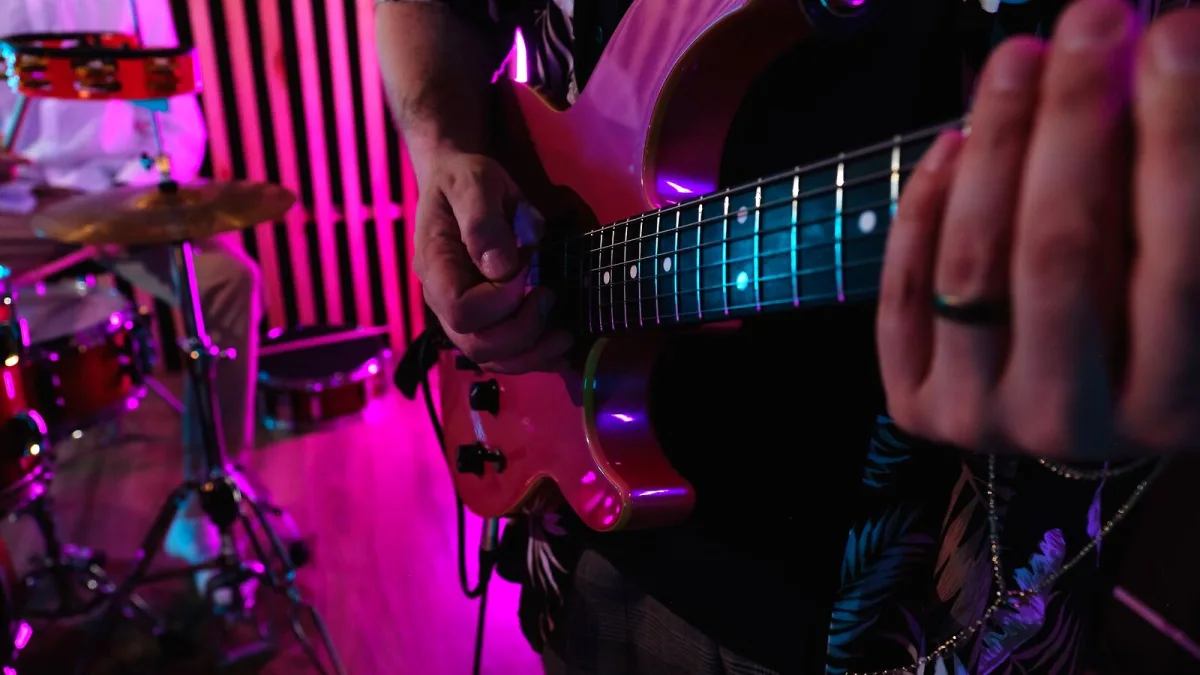
Metalcore can look intimidating from the outside — all breakdowns, screamed verses and sudden bursts of melody — but the sound is built from a small, learnable set of ingredients. This guide walks through what those ingredients are, how they fit together in a typical song, and where to listen once the basics click into place.
What Metalcore Actually Is
The name is a straightforward hybrid: metal plus hardcore. It grew out of the American hardcore punk scene of the late 1980s and early 1990s, as hardcore bands began borrowing heavy metal's riffing, distortion and lead guitar vocabulary without losing hardcore's urgency, directness or mosh-pit energy. The result wasn't simply "hardcore with metal guitars" — it developed its own song structures, rhythms and performance culture along the way.
Five Things That Define the Sound
- Low-tuned, palm-muted riffs — guitars dropped down for extra weight, played with a tight, percussive technique.
- Aggressive shouted or screamed vocals — the hardcore half of the equation.
- Melodic, clean-sung choruses — especially common in the style's 2000s mainstream era.
- Breakdowns — slower, heavily accented sections built for physical impact rather than speed.
- A hybrid dynamic — hardcore's immediacy sitting alongside genuine metal musicianship.
Not every band uses all five in equal measure. Some lean almost entirely on harsh vocals with no clean singing at all; others foreground melody so heavily that the harsher elements feel secondary. That range is part of what makes metalcore worth exploring rather than a single fixed formula.
How a Typical Song Is Put Together
A great many mainstream-era tracks follow a recognisable shape, even if plenty of bands deliberately break from it:
- An aggressive verse built on palm-muted or harmonised riffing.
- A pre-chorus that raises the tension.
- A clean, memorable chorus.
- A second verse and chorus.
- A bridge or instrumental passage.
- A breakdown.
- A final chorus or closing heavy section.
More chaotic or progressive bands throw this template out entirely, which is one reason metalcore has splintered into so many distinct branches — something our guide to metalcore subgenres covers in far more depth.
Guitar, Drums and Vocals, Briefly
Guitarists commonly tune down — Drop D, Drop C, Drop B or lower on extended-range instruments — and lean on palm muting, chugging and syncopation to get that tight, weighted low end. Drummers combine fast double-kick patterns with driving hardcore beats and half-time breakdown grooves, so the rhythm section can switch from a sprint to a stomp within a few bars. Vocally, the palette runs from high screams and mid-range shouts down to low growls, often paired with clean, melodic singing for contrast. Not every metalcore act uses clean vocals at all; some of the genre's most abrasive, foundational bands stick to harsh delivery throughout.
How It Differs From Straight Hardcore or Metal
It helps to think of the two parent styles pulling in slightly different directions. Straight hardcore punk favours short songs, blunt riffing and a fiercely direct live culture, with technical flash treated as beside the point. Traditional heavy metal, by contrast, prizes lead guitar work, longer arrangements and a stronger emphasis on instrumental skill for its own sake. Metalcore sits between the two, borrowing hardcore's urgency and community-driven energy, then layering metal's riffing complexity, harmonised leads and heavier production on top. Neither parent genre disappears; they simply get remixed into something with its own identity, rhythmic emphasis and performance practice.
This is also why the boundaries with neighbouring styles stay so blurry. Post-hardcore keeps more of the punk lineage and often drops the breakdown entirely. Deathcore pushes the vocals and drumming towards outright extremity. Nu-metal-influenced variants borrow groove and rap-adjacent rhythm instead of hardcore's directness. None of these labels are scientific categories, and plenty of bands sit comfortably across two or three of them at once.
Where Metalcore Branches Off
What gets labelled metalcore today covers a lot of ground: progressive and technical bands stretch out song structures and time signatures, djent-influenced acts favour extremely low, syncopated riffing, and more atmospheric or electronic-leaning bands soften the edges with synths and texture. If you want the fuller breakdown of how these branches differ, it's worth reading alongside the wider history of metalcore, which traces how it got from its underground roots to this current spread.
Starting Points for Listening
Once the vocabulary makes sense, the easiest way in is simply to listen. Our guides to essential artists, landmark albums and defining individual tracks are all built to be worked through in any order, and each one points you toward a different side of the sound.
The Bottom Line
Underneath the noise, there's a genuinely learnable structure to metalcore: hardcore's urgency, metal's riffing, a handful of recognisable techniques, and a lot of room for bands to bend the formula however they like. Give metalcore a proper listen with those five defining features in mind, and a genre that once sounded chaotic starts to make a great deal of sense.





Comments