


Indie Music article
Indie Music for Newcomers: Where to Start
You don't need the history or the subgenre names on day one. Here's the practical, ears-first route into indie music.
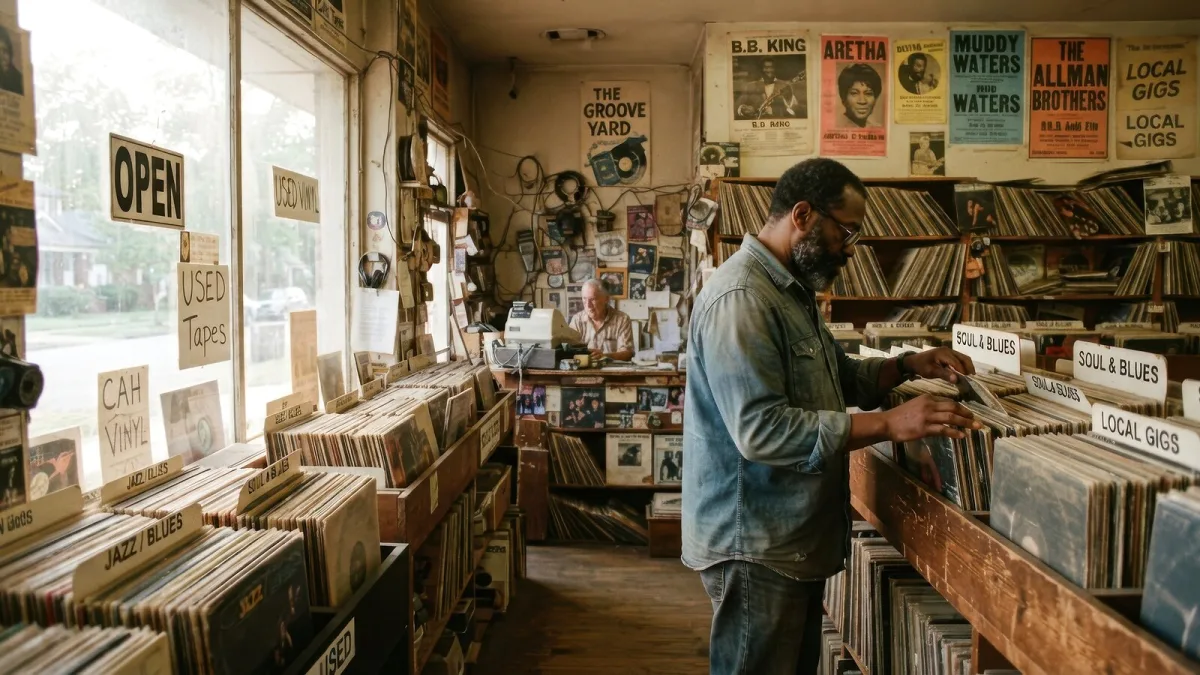
Don't start by trying to define the word. Start by pressing play. Indie music has a habit of intimidating newcomers with its history and its endless subgenre names, but none of that is actually required to enjoy it on day one. Here's the practical route in, theory left for later.
Forget the Definitions of Indie Music for Now
There'll be time later to argue about whether a band counts as properly independent, or whether a huge festival headliner still deserves the label. None of that matters on your first few listens. Curiosity gets you much further than accuracy at this stage, and the definitions tend to make a lot more sense once you already have a handful of records you genuinely love.
Pick One Album From a Few Different Corners
Rather than one big "canon" record, try a handful of accessible starting points that sound genuinely different from each other — a guitar-driven one, a folk-leaning one, something more electronic. That spread matters more than any single "best" recommendation, because it shows you the range early rather than assuming one sound speaks for the whole thing.
Listen to Whole Albums, Not Just Singles
This scene has always put real weight on sequencing and full-length statements rather than isolated hits. A lot gets lost when a record is broken into a shuffled playlist — the quiet build before a loud chorus, the way one track sets up the next. Give a full record forty minutes of your attention before deciding what you think.
Follow the Labels, Not Just the Artists
This is the trick almost nobody tells beginners. Independent labels often curate a genuinely coherent scene, so if you love one artist on a label, there's a decent chance you'll love several others on it too. It's a faster route into a whole world than chasing algorithm recommendations one artist at a time, and it's how a lot of longtime fans actually built their taste in the first place.
Don't Assume It Means Obscure or Amateur
A common beginner mistake is treating anything polished or popular as automatically disqualified. That's simply not true. Plenty of artists working with proper studios, professional producers and genuine chart success are still described this way, because the term is about origin and attitude as much as budget or reach.
A Simple First-Month Indie Music Plan
- Week one: pick a guitar-based record and a folk-leaning one, and just live with them.
- Week two: try something more electronic or atmospheric — dream pop or psychedelic indie.
- Week three: follow one label you've enjoyed and explore two or three more of its artists.
- Week four: revisit your week-one picks and notice what's changed about how you hear them.
Go and See Something Live If You Can
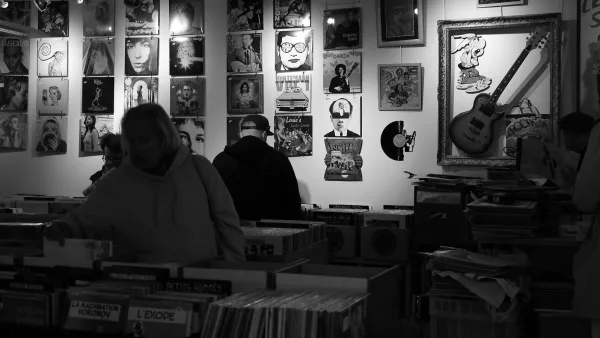
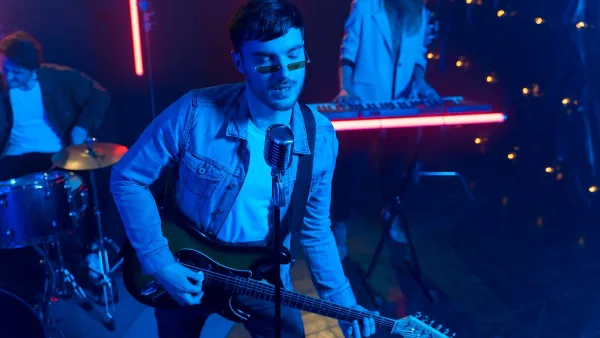
Small venues, local record shops and community radio are still where a huge amount of independent music culture actually happens, away from any streaming algorithm. You don't need to know the band beforehand — some of the best discoveries happen by accident, on a random Tuesday, in a room smaller than you'd expect.
Once a few records have properly landed, our guides to the essential artists and the essential albums give you plenty more to chase, and our breakdown of subgenres is worth reading once you're curious about how it all fits together, rather than before.
The Bottom Line
You don't need the history or the vocabulary before you enjoy indie music — you just need a handful of good records and a willingness to let curiosity lead. Everything else, including the subgenre names, can wait until you're already hooked.




Comments