


Idm Music roundup
The Best Idm Music Artists to Know
The IDM canon revolves around a small number of artists whose work defined the genre's range. This guide covers each one and explains what makes them essential listening.
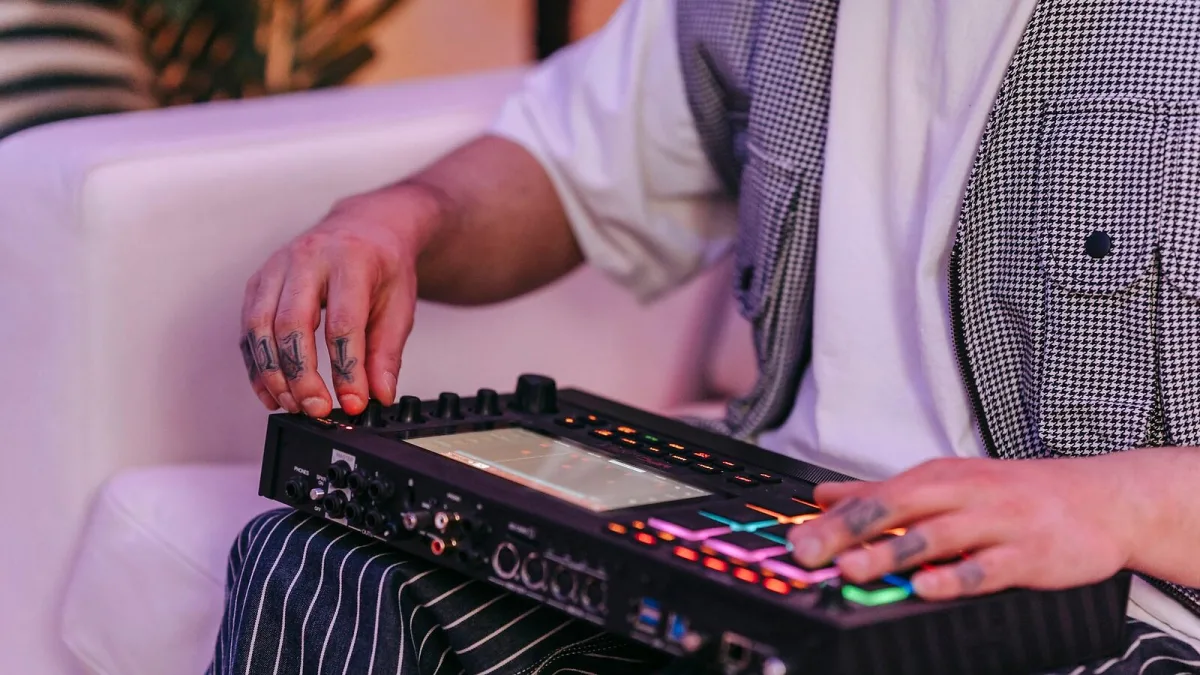
The artists who defined and extended IDM music represent one of electronic music's most intellectually ambitious lineages. The following are the central figures any serious listener will encounter.
Aphex Twin
Richard D. James is the single most significant producer in the genre's history, producing work across virtually every IDM mode: the warmly melodic ambient of Selected Ambient Works 85–92, the alien drone-textures of Selected Ambient Works Volume II, the fractured and harshly rhythmic Richard D. James Album, and the meticulously crafted complexity of Drukqs (2001). His Rephlex label introduced further artists and subgenres; his influence on electronic music production broadly is incalculable. The Analord series of analogue-equipment recordings and the 2014 return with Syro confirmed an unbroken artistic commitment over three decades.
Autechre
Rob Brown and Sean Booth, operating as Autechre since the early 1990s, have sustained the most extensive and uncompromising body of work in the genre. Their trajectory from the melodic warmth of Incunabula through the abstract machine percussion of Confield (2001) and into the vast, system-generated sonic environments of their later work charts a consistent philosophy: the pursuit of previously unexplored electronic sound. They maintain strict visual anonymity and rarely speak publicly about their methods, allowing the work to define itself entirely.
Boards of Canada
Marcus Eoin and Michael Sandison from Edinburgh created a distinct melodic strand of IDM music through their signature of warm analogue synthesis, tape degradation effects and sample manipulation that evokes nostalgia for childhood memories and public-information film aesthetics. Music Has the Right to Children (1998) and Geogaddi (2002) are among the most critically acclaimed albums in the genre. Their infrequent releases and deliberate obscurity sustain an unusual mystique.
Squarepusher
Tom Jenkinson from Essex brought jazz-influenced bass guitar technique into the IDM environment, combining virtuoso fretless bass playing with extreme drum-and-bass fragmentation and detailed synthesis. Hard Normal Daddy (1997) and Music Is Rotted One Note (1998) are his most characteristic IDM works. His range extends from maximally dense breakbeat complexity to solo live bass performance, demonstrating an unusually broad musical foundation.
Plaid and µ-Ziq
Ed Handley and Andy Turner (Plaid) brought warmly melodic, structurally elegant work to Warp's roster through albums including Not for Threes (1997) and Rest Proof Clockwork (1999). Mike Paradinas, operating as µ-Ziq, founded Planet Mu Records and produced work ranging from melodic IDM to the harder edges of breakcore. Both artists represent the genre's more accessible but equally rigorous strand.



Comments