


Garage Music article
The History of Garage Music
One word, three timelines — how garage rock, garage house and UK garage each began, and how they eventually crossed paths.
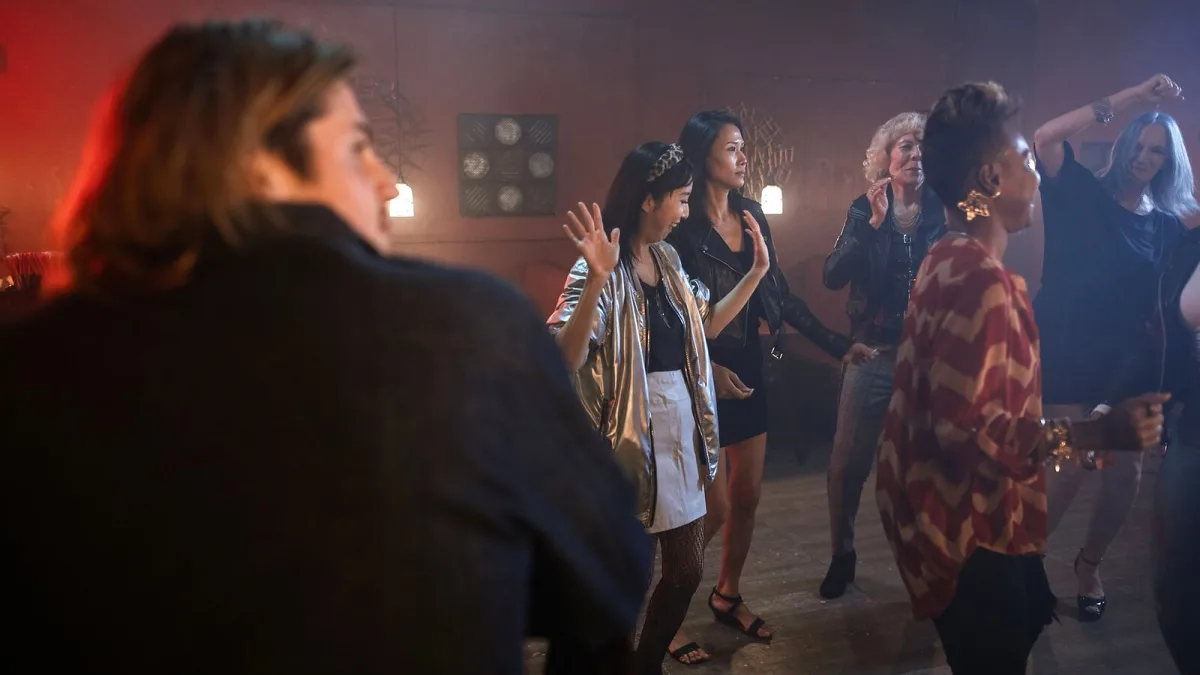
The story of garage music isn't one timeline, it's three, and understanding garage music properly means tracing all three, running in parallel on different sides of the Atlantic before eventually crossing over. Here's how a term for teenage guitar bands in American suburbs ended up also describing club culture in New York and, decades later, a distinctly British sound.
The 1960s: Garages, Guitars and Fuzz Pedals
Garage rock took shape in the United States and Canada in the early-to-mid 1960s, powered by cheap electric guitars, local dance halls and a wave of teenagers forming bands with more enthusiasm than technique. The name reflects a reality for plenty of these groups: they rehearsed in actual garages, basements and spare rooms, even if the records themselves were often cut properly in studios.
Early rock and roll, rhythm and blues, surf music and the British Invasion all fed into the sound: simple riffs, a strong backbeat, fuzzed or overdriven guitar and vocals that leaned urgent rather than smooth. By the late 1960s, some bands folded in psychedelic effects and organ, pushing the raw template toward something stranger. That same raw energy later fed directly into punk, post-punk and garage punk.
The Late 1970s: A Different Garage Entirely, in New York
While garage rock's first wave had already run its course, an entirely unrelated "garage" was forming a decade later, this time on a dancefloor. Paradise Garage, a New York club, became closely associated with resident DJ Larry Levan through the late 1970s and into the 1980s. Levan treated records less like fixed products and more like flexible, emotional material to be shaped for the room in real time.
The sound that grew up around his sets, retrospectively labelled garage house, was soulful, disco-informed and vocal-led, often drawing on gospel-style chord movement and warm, musical arrangements. It wasn't originally a tightly defined genre so much as a description applied afterward to the feeling of a particular room and a particular DJ's programming — but that feeling proved influential well beyond one club.
The 1990s: Britain Takes the Sound Somewhere New
Garage house's influence crossed the Atlantic and, through the 1990s, British producers began reshaping American house and garage house records for UK club culture. The most significant change was rhythmic: rather than house's steady four-on-the-floor pulse, UK producers pushed toward syncopated, swung drum patterns, chopped vocal samples and a heavier low end, generally sitting around 130 beats per minute.
This new British sound, UK garage, moved from clubs into the mainstream commercially, with its most visible period usually placed between roughly 1998 and 2002. Artful Dodger and Craig David, MJ Cole, DJ Luck & MC Neat and So Solid Crew were among the names carrying it into the charts during that stretch.
Branching Out: 2-Step, Speed Garage and Beyond
UK garage didn't stay still for long. Producers pulled it in different directions almost as soon as it had a name:
- 2-step garage pulled the kick drum away from a steady pulse, creating rhythmic gaps and a distinctive bounce.
- Speed garage pushed toward heavier, darker bass and time-stretched vocals.
- Bassline leaned further still into bass weight, MCs and rhythmic vocal delivery.
That last strand fed directly into the emergence of grime, a genuinely new British genre that inherited UK garage's bass-heavy, MC-led energy while developing its own identity.
Meanwhile, Back at the Garage: Rock's Revival
On the guitar side of the story, garage rock never fully disappeared. It resurfaced through the 1990s and 2000s in a garage-rock revival, with bands like The White Stripes and The Hives carrying the original template's do-it-yourself spirit into a new era, helped along by newly affordable home-recording equipment that echoed the low-budget origins of the 1960s sound.
Three Timelines, One Word
| Decade | What happened |
|---|---|
| Early-to-mid 1960s | Garage rock emerges in the US and Canada |
| Late 1960s | Garage rock absorbs psychedelic influences; early punk roots form |
| Late 1970s–1980s | Garage house develops around Larry Levan and Paradise Garage |
| 1990s | UK garage emerges from house and garage house in Britain |
| 1998–2002 | UK garage's commercial peak; 2-step and speed garage branch off |
| 2000s onward | Garage-rock revival; UK garage's bass strands feed into grime |
Where to Read Next
For a side-by-side explanation of the three traditions rather than a timeline, our beginner's guide to garage music is the natural next stop. To meet the people behind these dates, see the best garage music artists to know, and for a closer look at how the branches after UK garage differ sonically, read garage music subgenres, explained.
The Bottom Line
Garage music's history isn't a single road; it's three separate journeys that happen to intersect at one shared word. Understanding when and where each one started makes it far easier to hear how a 1960s guitar riff, a Larry Levan set and a 2-step beat all ended up filed under the same name.



Comments