


Deep House article
Essential Deep House Albums Explained
Deep house grew up on singles and label catalogues, not albums. Here's the one exception worth knowing, and how to dig in properly.
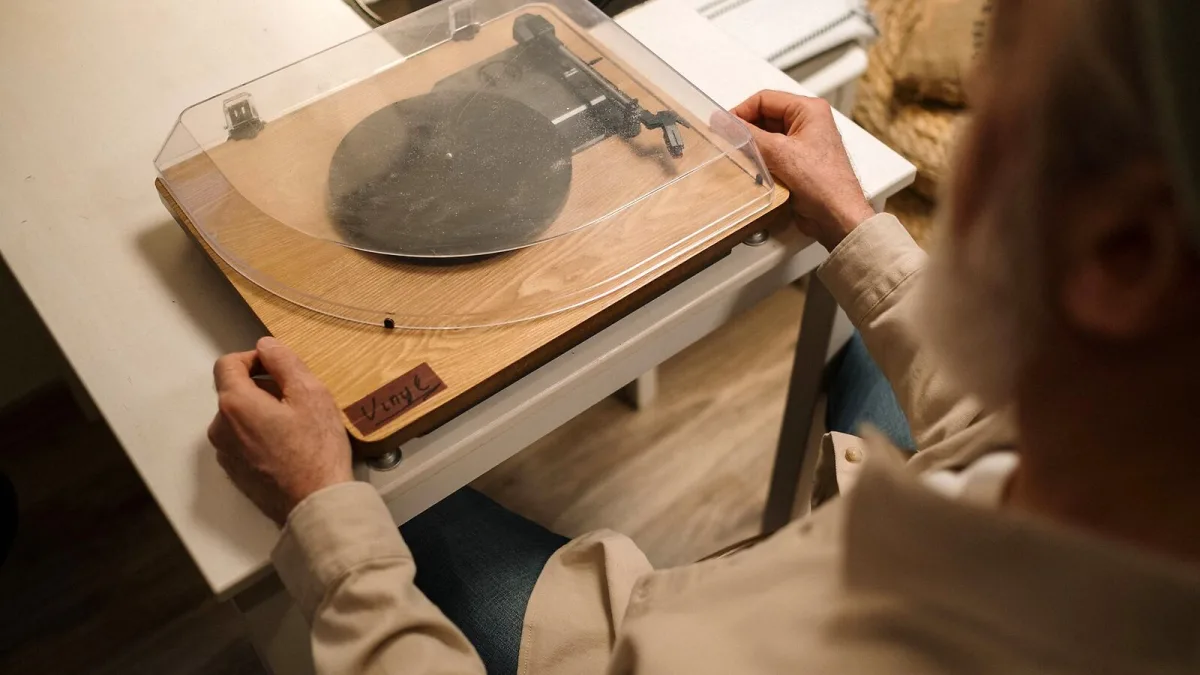
Right, let's be honest about something first. Deep house was never really an "album genre". It grew up on 12-inch singles, DJ sets and label catalogues. So when someone asks for "essential albums", the real answer needs a bit of context, not a top ten list pretending otherwise.
The One Deep House Album Everyone Should Actually Know
If there's a genuine founding album here, it's Fingers Inc.'s Another Side. Fingers Inc. was Larry Heard's group project, and this record captures the exact combination that defines the whole genre: house rhythm, jazz-informed chords, real melodic bass, and a warmth that early Chicago house didn't always bother with. Start there. No debate.
Why Full-Length Albums Are the Exception, Not the Rule
Here's the thing. Deep house's real currency has always been the single, the white label, the 12-inch built for a DJ to mix into a set. Larry Heard, Frankie Knuckles, Kerri Chandler — their most important work mostly lives as individual tracks, not sequenced albums. That's not a gap in the format. It's just how club music from this era actually worked.
So What Do You Actually Dig Into Instead?
Two things, and both beat hunting for albums that mostly don't exist:
- Label catalogues. Prescription Records (Ron Trent and Chez Damier), Kerri Chandler's Madhouse Records, and Larry Heard's own Alleviated Records are basically curated bodies of work. Treat the label like the album.
- Compilation series. Naked Music built a whole polished, jazzy, vocal-forward identity through compilations in the 2000s. More recently, labels like Anjunadeep run long-standing compilation series that function exactly like a modern "album" — multiple artists, one curated statement.
Modern Labels Worth Building a Playlist Around
If you want somewhere current to dig, Freerange Records, Local Talk, Glasgow Underground and Anjunadeep are all still active and still releasing genuinely good deep house. Diynamic covers the more melodic, European-leaning side if that's the sound you're after instead. None of these are "albums" in the traditional sense. All of them work as a curated listening session if you just hit play on a label's recent output.
Don't Skip the Context
Our guide to the genre's key artists tells you whose catalogues are actually worth your time, and our rundown of defining individual tracks gives you the specific, real records to start with — which, frankly, matters more here than any album ever will.
How to Actually "Album-Dig" in This Genre
If you're used to genres built around the studio album, here's the mental shift that actually works. Pick a label instead of an artist, and listen through a chunk of its catalogue in one sitting the way you'd listen to an LP. Prescription Records front to back tells you more about atmosphere and sophistication than any single compilation could. A run of Naked Music releases tells you exactly what "polished, jazzy vocal house" means without anyone having to explain it. Treat the discography as the album, and the format problem stops being a problem at all.
The Bottom Line
Don't go looking for a stack of classic deep house albums the way you would with rock or hip-hop. Start with Fingers Inc.'s Another Side, then switch your brain over to labels and compilations. That's genuinely how this music was built, and pretending otherwise just wastes your listening time.






Comments