


Alternative Music roundup
The Best Alternative Music Songs Right Now
These are the tracks that define what alternative music is: songs that introduced styles, broke rules and have never stopped being played for a reason.
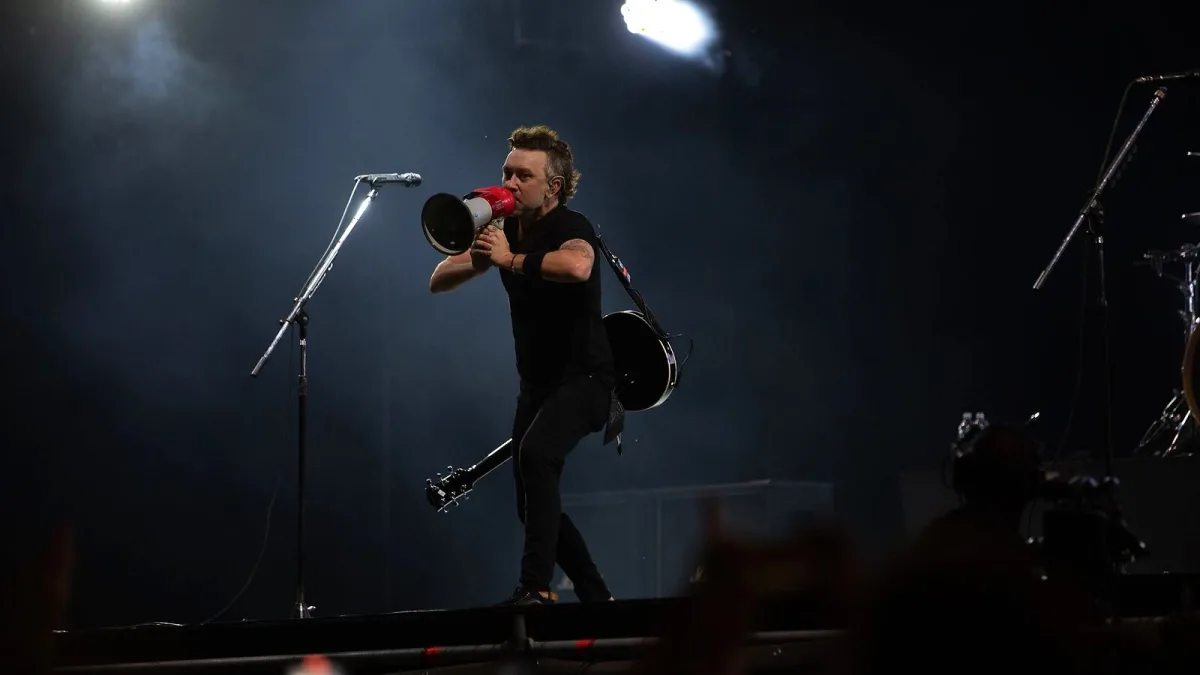
Some songs define what alternative music sounds like. Not the noisiest or the most obscure — the ones that distil what the genre does best into something compact enough to stop you mid-conversation. These are the tracks that have earned their place: songs that introduced styles, rewired expectations or simply captured something that still hasn't been bettered. Start here, follow the threads, and see where they take you.
"Smells Like Teen Spirit" — Nirvana (1991)
The most commercially significant song in alternative music history. Kurt Cobain's structure was directly informed by the Pixies' quiet-loud dynamic, and the result arrived like a short circuit in mainstream rock. The guitar riff, Dave Grohl's drumming, the chorus eruption — every element was familiar and yet nothing had sounded like this on mainstream radio before. It remains the entry point for a reason: hear this and you understand what grunge was reaching for.
"Love Will Tear Us Apart" — Joy Division (1980)
Joy Division's most famous song is an unlikely pop record: a bass-driven, synthesizer-inflected song about the collapse of a relationship, sung with Ian Curtis's characteristic detachment. It sits on the fault line between post-punk and mainstream singles and has never left. The Factory Records release became one of the best-selling independent singles in British history. If post-punk had one song that explains what the movement was about, this is it.
"Where Is My Mind?" — Pixies (1988)
The closing track on Surfer Rosa is one of the Pixies' most immediately recognisable songs: a floating, sparse guitar figure, Black Francis's eerie vocal, a melody that rises and opens out into something close to euphoria. Its use in the closing scene of Fight Club (1999) introduced it to a generation who might otherwise have arrived via Doolittle, and it captures the Pixies' quieter, stranger side as precisely as their louder moments capture their violence.
"Just Like Heaven" — The Cure (1987)
Robert Smith's band had produced dark, difficult records; Just Like Heaven showed they could also write an absolutely perfect pop song. The guitar melody is one of the most recognisable in alternative music, the production crisp and bright, the emotion somehow both joyful and faintly devastating. It is, straightforwardly, one of the best songs of the 1980s.
"Karma Police" — Radiohead (1997)
From OK Computer, "Karma Police" works as both a standalone song and a piece of the album's larger portrait of late-20th-century anxiety. A keyboard-led verse built on a descending sequence, Thom Yorke's deadpan delivery, and a chorus that's simultaneously specific and universal — "karma police, arrest this man, he talks in maths" — followed by a long, disintegrating outro. It's precise and unsettling in equal measure.
"Debaser" — Pixies (1989)
The opening track of Doolittle and one of the most immediate statements of intent in alternative music. Black Francis shouting about Un Chien Andalou, the guitar coming in hard on the chorus, Joey Santiago's angular lead lines — everything about it announces the record's combination of violence, surrealism and irresistible energy. It's become a touchstone for almost every alternative-rock band that followed.
"Paranoid Android" — Radiohead (1997)
Six and a half minutes structured in distinct movements that change tempo, key and emotional register entirely midway through. The shift from the opening guitar figure to the screaming middle section to the mournful closing passage is one of rock's more audacious structural decisions, and it works completely. Radiohead's willingness to break conventional song structure and pull it off elevated them from "very good guitar band" to something more unusual.
"Black Hole Sun" — Soundgarden (1994)
The most widely heard Soundgarden song and, in some ways, the most misleading introduction to the band: it's among their more accessible tracks, with its gentle verse and Chris Cornell's soaring vocal. The chord sequence is genuinely strange underneath the surface, and the production has an unnerving quality that the familiarity of heavy rotation never quite dissolved. A remarkable piece of mainstream alternative rock songwriting.
"Connection" — Elastica (1994)
Justine Frischmann's band made compact, wiry guitar pop with post-punk roots and a ruthless economy of means. "Connection" runs for just over two minutes, contains a riff that was famously similar to Wire's "Three Girl Rhumba," and captures the best of mid-1990s British guitar music's energy. It remains a perfect example of what Britpop's more interesting end sounded like.
"Fake Plastic Trees" — Radiohead (1995)
Before OK Computer, Radiohead released The Bends — a record that showed what they could do within a more conventional alternative rock structure. "Fake Plastic Trees" is its centrepiece: a quietly devastating song about fakeness and effort and the feeling of not measuring up. Thom Yorke's vocal breaks in the right places and the string arrangement does exactly what it needs to without overstaying its welcome. A song that sounds more true the more you've lived.
What These Songs Share
Listen through this list and you'll notice certain things recurring: the willingness to let a song breathe or explode without warning; the preference for emotional truth over technical display; the production that serves the song rather than decorating it. These aren't just good songs — they're demonstrations of alternative music's core principles.
For the albums these tracks belong to, read our essential alternative music albums guide. For the bands behind them, see the best alternative music artists to know. And for the history that connects them all, read the history of alternative music.






Comments