


Guitar Nylon roundup
The Best Guitar Nylons for the Money
No single best nylon guitar here — just the right build for what you're actually playing. Here's how the value breaks down by use case.
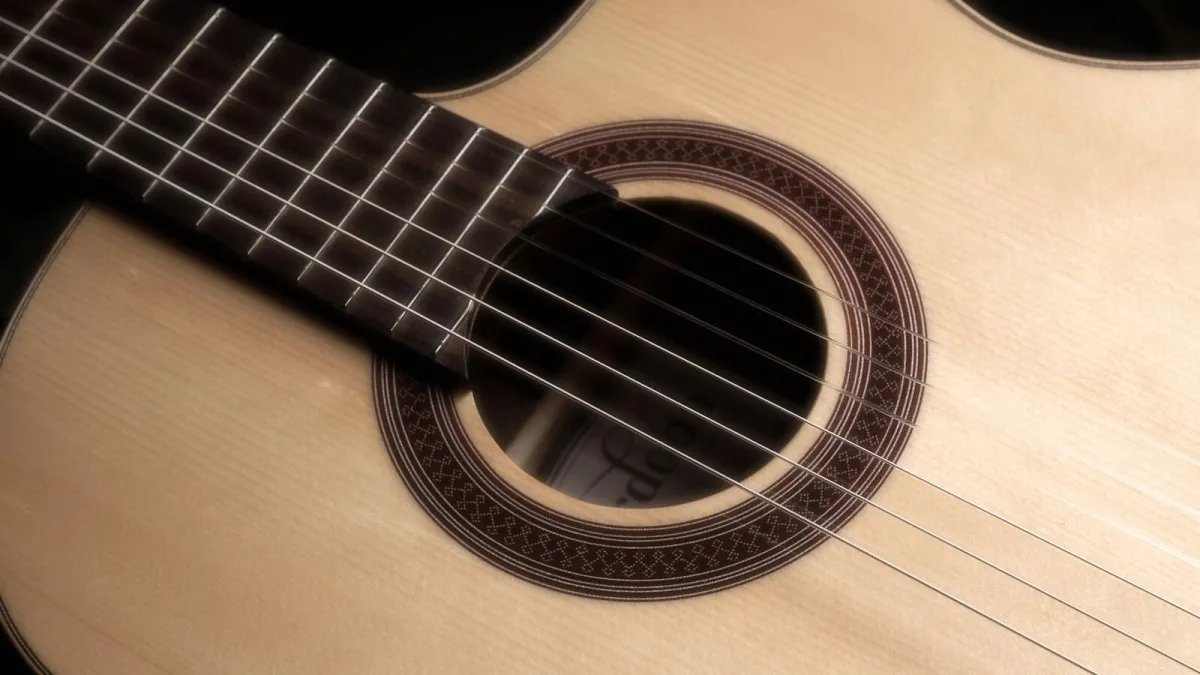
"Best nylon guitar" is a genuinely different question depending on who's asking, so instead of pretending there's one winner, here's how the value in nylon strings and the guitars built around them actually breaks down by what you're trying to do — and what you're really paying for as the price climbs.
Best for a genuine beginner on a budget
A solid, well-set-up student classical from Yamaha or Cordoba's entry tier. You don't need a solid-wood top or hand-built lutherie to learn your first pieces — you need stable tuning, comfortable action and a neck that doesn't fight you. Spend any spare budget on a proper setup rather than chasing a fancier badge at this stage.
Best for steel-string players making the switch
A crossover model — Cordoba's crossover range and Taylor's Academy 12e-N are the names that come up constantly here for good reason. The narrower, radiused neck and steel-string-style ergonomics mean your existing hand position transfers over far more comfortably than it would on a traditional wide classical neck. This is genuinely the difference between enjoying the switch and giving up within a month.
Best for flamenco specifically
A dedicated flamenco build, not a classical guitar pressed into service. The lighter construction, lower action and drier, more percussive voice aren't cosmetic differences — they're what actually lets rasgueado and golpe technique work properly. A classical guitar can survive the occasional flamenco piece, but it won't respond the same way under real flamenco technique.
Best for gigging and amplified performance
A hybrid or stage nylon guitar with electronics genuinely designed for nylon strings, not a classical guitar with a generic pickup bolted in as an afterthought. Feedback resistance and a reliable, natural-sounding pickup matter more here than acoustic projection alone — you're going through a PA either way, so raw unplugged volume is less important than how it translates through a system.
Best for value once you're committed
| Upgrade | Worth it when... |
|---|---|
| Solid top (spruce or cedar) | You've outgrown a laminate top's tonal ceiling |
| Fluorocarbon or carbon trebles | You want more brightness or precise intonation |
| Professional setup | Any guitar, at any price, that isn't playing easily |
| Handmade/luthier-built instrument | You're playing seriously enough to notice construction-quality differences |
Notice what's not on that list: brand prestige alone. A famous badge on a poorly set-up guitar will lose to a cheaper, properly adjusted one every time.
Best value habit, regardless of budget
Keep the guitar in a stable environment. Excessive dryness can shrink the top, lift frets and crack the finish; excessive humidity can dull the response and shift the action. A cheap in-case hygrometer and a bit of humidification during dry months protect your investment far more effectively than any single hardware upgrade, whatever tier you bought into.
Best value if you're not sure which family you need
Start with a crossover model if you're coming from steel strings, or a basic classical if you're starting from scratch. Both give you an honest, representative taste of what nylon strings actually feel and sound like without committing to flamenco's specialist demands or stage electronics you might not need yet. If you want the full picture on how the families differ before deciding, our buyer's guide covers that properly.
The bottom line
There's no single best nylon guitar — just the right build for what you're actually going to play, and a setup that actually works. Get those two things right and the rest of the spending can wait. New to all this? Our beginner's guide is a gentler place to start, and our full guide to nylon strings covers the background in depth.






Comments