


Guitar Slide article
Guitar Slide for Beginners: A Complete Guide
Every great slide player once sounded scratchy and out of tune too. Here's the exact step-by-step practice sequence to get past that stage fast.
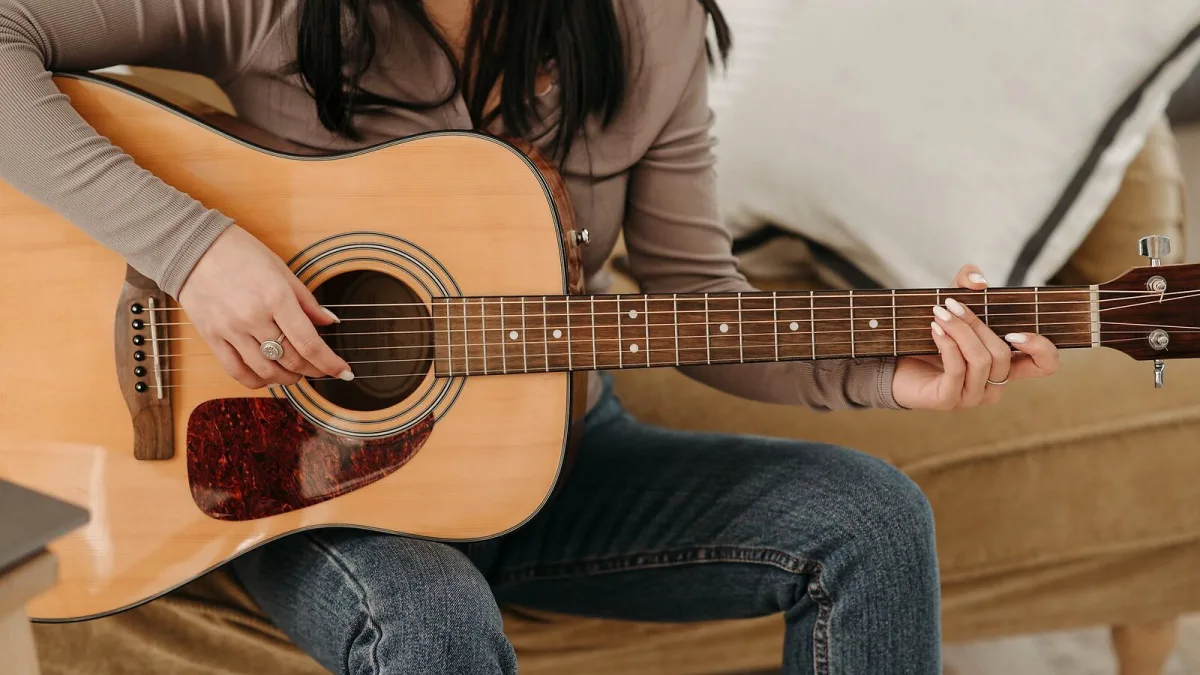
I still remember my first go at guitar slide — twenty minutes of scraping, buzzing and notes that sounded nowhere near where I'd aimed them. Stick with it, though, because that ugly first stage passes fast, and there's genuinely nothing else on a guitar that sounds quite like a well-controlled slide line once it clicks. Here's exactly how to start, step by step, without the frustration lasting any longer than it has to.
Gear Up Simply
Don't overthink your first guitar slide purchase. A glass one, on the ring or middle finger, is a forgiving combination — light enough to control, warm enough to sound decent even while you're still finding your feet. You don't need heavier strings or a raised action to get started, though both can help slightly further down the line once you know you're sticking with it.
Your First Practice Sequence
Follow this in order rather than jumping ahead — each step builds directly on the one before it, and skipping steps is exactly how bad habits creep in early.
- Tune up. Standard tuning is fine to start, or try open G if you want that classic full-chord slide sound straight away.
- Place the slide over the seventh fret. Rest it directly above the fret wire, not between frets.
- Pick one string at a time. Get a single, clean note before you attempt anything more complicated.
- Move between the fifth, seventh and twelfth frets. These are easy reference points and forgiving on the ear if you're slightly off.
- Check your pitch with a tuner. Don't trust your eye alone yet — your ear and your positioning both need training together.
- Add muting with your fretting hand. Use your spare fingers to dampen the strings behind the slide.
- Add muting with your picking hand. Control the strings you're not actively playing from the other side too.
- Practise a short, narrow vibrato. Only once the note itself is landing accurately and in tune.
- Play a simple blues phrase. Put the individual skills together over a few bars.
- Only then introduce full chords and faster movement. Speed and complexity come last, not first.
Why Most Beginners Sound Rough at First
It's almost never a talent problem — it's usually one of a handful of very fixable habits. Pressing too hard pushes the string down onto the fretboard and kills the whole point of using a guitar slide. Stopping between frets instead of directly above the fret wire makes every note sound slightly flat or sharp. And leaving strings unmuted behind the slide adds a layer of noise that makes even a correctly played note sound messy. Fix those three things and you'll sound dramatically better within a single practice session.
Choosing a Tuning You Can Actually Use
Open G is a sensible first open tuning — it's a manageable string-tension change from standard, and it turns a simple strum into a full major chord, which makes early slide phrases sound musical almost immediately. Open D works similarly. Open E and open A raise string tension more noticeably, so it's worth being comfortable with the basics before jumping to those. You don't have to retune at all, either — plenty of slide playing happens perfectly well in standard tuning, especially for single-note lines.
Building the Habit
With guitar slide, short, focused sessions beat long, frustrated ones every time. Ten or fifteen minutes working through the practice sequence above, done consistently, will get you further in a fortnight than an occasional exhausting hour. Once the basics genuinely feel comfortable, our guide to guitar slide features and types is worth reading to understand the material and technique choices you'll want to start refining.
And once you've got a few weeks of practice in, it's genuinely worth checking your own habits against our list of common guitar slide mistakes — catching a bad habit at three weeks is a lot easier than unlearning it at three years.
The Bottom Line
Every guitar slide player who sounds effortless today went through the exact same scratchy, slightly-out-of-tune first sessions you're about to have. Work through the sequence above properly, resist the urge to rush to full chords, and the "singing" quality you're chasing arrives faster than you'd think.






Comments