


Guitar Cleaning Kit guide
How to Set Up and Use Guitar Cleaning Kit
A thorough guitar clean takes less time than most players expect. These are the steps in the right order, using your cleaning kit to cover every part of the instrument.
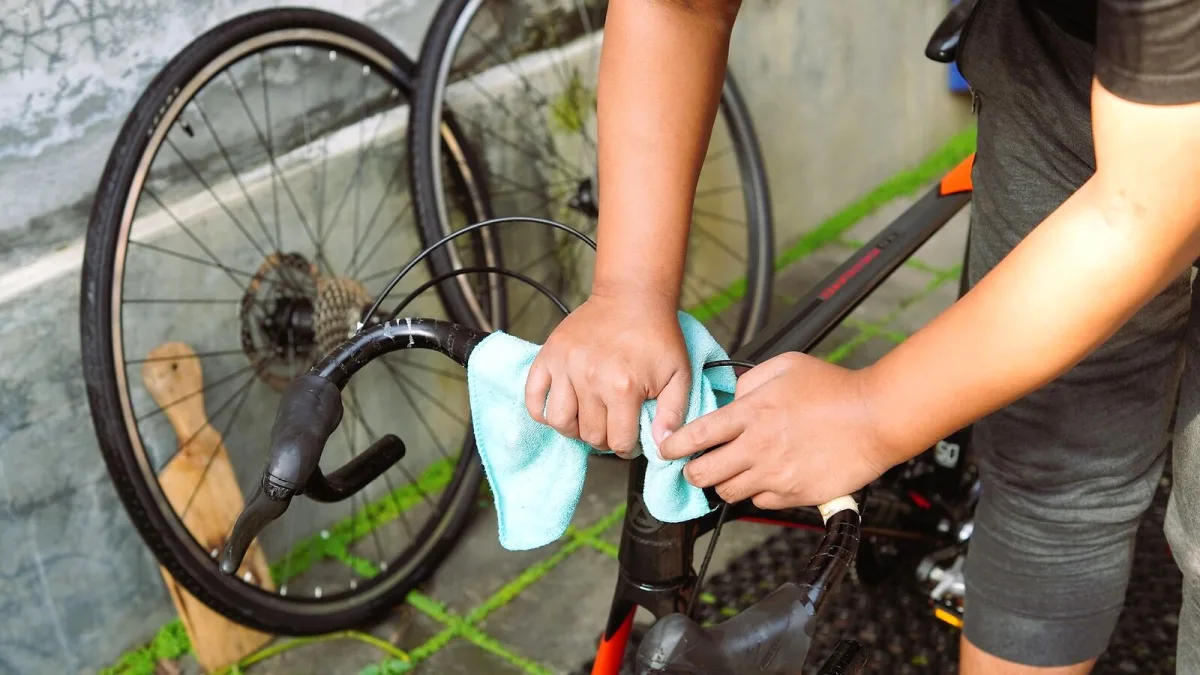
Cleaning and maintaining a guitar takes less time than most players expect and extends the instrument's life more than most players realise. A guitar cleaning kit provides everything you need for a thorough session. These are the steps, in order, for a complete clean.
How to Clean and Maintain Your Guitar
- Remove the strings: loosen and remove all six strings. This allows full access to the fretboard, bridge and nut. Use a string winder to speed up the process. Keep track of which bridge pins or locking nuts go where if your instrument has them.
- Clean the fretboard: apply a small amount of fretboard conditioner to a cloth and work it into each section of the fretboard along the grain. Focus on the areas between the frets where residue accumulates. Allow two to three minutes of contact, then wipe off the excess thoroughly. For heavily soiled boards, a soft toothbrush can help dislodge compacted residue.
- Clean the frets: wrap a cloth or use a cotton bud with a small amount of metal polish to clean each fret individually. Frets accumulate oxidation and residue from the strings. Cleaning them improves playability and prolongs fret life. Mask the fretboard with tape if you want to prevent the metal polish from touching the wood.
- Polish the body: apply a few drops of guitar polish to a microfibre cloth and work it into the body finish in circular motions. Use a second clean cloth to buff to a clear finish. Avoid applying polish to unfinished wood sections (the inside of a soundhole, the back of a neck with a satin or oil finish).
- Clean the hardware: use a dry cloth or a small amount of metal polish on a cotton bud to clean the tuning machine buttons, bridge saddles and any exposed metal. Avoid getting liquid into the pickup cavities or under the pickguard.
- Restring: fit a fresh set of strings. Tune to pitch, stretch the strings and retune. Check the intonation and, if necessary, adjust the saddles.
Between Sessions: The Daily Wipe
A guitar cleaning kit is most useful if you also adopt a simple post-session habit. After each playing session, wipe down the strings with a dry cloth, clean the back of the neck where sweat collects, and run the cloth over the body. This prevents residue build-up that requires chemical cleaning later and extends string life noticeably. It takes less than two minutes.
How Often to Do a Full Clean
A full guitar cleaning kit session — removing strings, conditioning the fretboard, polishing the body — is appropriate every three to six months for a regularly played guitar, or whenever you change strings. Players who gig frequently and perspire heavily should do it more often; players who primarily play at home in a controlled environment can do it less frequently.
For guidance on which products to buy, the buyer's guide covers the options. For an explanation of what each product in the kit does, the overview guide covers the detail. And for those just starting out, the beginner's guide has the essentials.






Comments