


Banjo Strings article
Common Banjo Strings Mistakes to Avoid
A beautiful banjo can be let down by tired or badly fitted strings. Here are the small mistakes almost every player makes at least once.
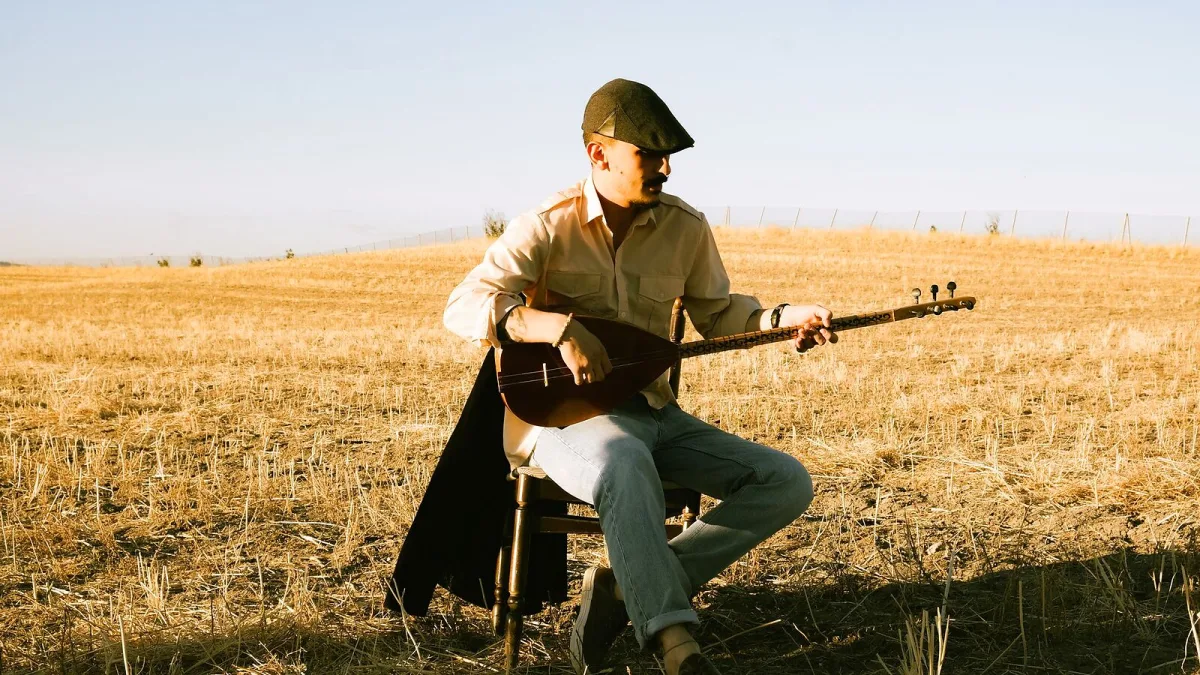
There's a quiet cruelty to a beautiful banjo let down by tired, mismatched or badly fitted banjo strings — all that craft in the wood and the head, undone by something so small and so easily fixed. None of the mistakes below are embarrassing ones. Most players make every single one of them at least once.
Banjo Strings: Buying Mistakes
- Buying without checking your tuning. A five-string open-G set won't necessarily suit a tenor banjo tuned CGDA or Irish GDAE. Confirm what your instrument actually needs first.
- Assuming "medium" means the same thing everywhere. Gauge category names aren't standardised across brands. Compare the actual diameters printed on the packet.
- Jumping straight to a much heavier gauge. A dramatic change can affect action, intonation and neck relief, and may need a proper setup adjustment afterwards.
- Chasing a brand because someone else swears by it. Reputable brands are all reasonable; your banjo's head and bridge shape the tone as much as the string material does.
Changing Mistakes
- Removing every string at once. Take them off one at a time instead, so the bridge stays roughly in place rather than shifting or dropping entirely.
- Rushing a new string up to pitch. Bring it up gradually. A string forced to pitch too quickly is far more likely to snap.
- Forgetting the fifth string entirely. It mounts at its own peg partway up the neck, and it's easy to overlook mid-restring.
- Winding the tuner end sloppily. A loose, overlapping wind holds tuning far worse than a few neat, snug turns.
Tuning Mistakes
- Expecting a fresh set to hold tuning immediately. New strings drop in pitch repeatedly for their first hour or so of playing. Stretch and retune, then do it again.
- Skipping the bridge check after a restring. Compare the fretted twelfth-fret note against the twelfth-fret harmonic, and nudge the bridge if they don't agree.
- Tuning by ear alone when you're still learning. A proper tuner removes a lot of early frustration and confusion about what's actually wrong.
Our step-by-step guide to setting up and using a new set covers all of this properly, in the right order, if you'd rather follow a checklist than learn it the hard way.
Care and Maintenance Mistakes
- Ignoring visible corrosion or discolouration. That's a clear sign a set has had its day, whatever the calendar says.
- Never wiping strings down after playing. A quick wipe, especially if your hands sweat, genuinely slows the dull, corroded feel that eventually forces a change.
- Storing the banjo somewhere humidity swings wildly. Both the strings and the instrument itself suffer for it.
- Waiting far too long to change a dull-sounding set. There's no prize for stretching a tired set out; fresh strings are one of the cheapest upgrades available to any player.
Mistakes Around Choosing Material
Material choice is where a lot of new banjo strings shoppers overthink things. Assuming nickel-plated steel and phosphor bronze differ dramatically is a common overreach. The tendencies are real — nickel leans brighter, phosphor bronze leans warmer — but they're modest tendencies, not opposites, and your banjo's own head and bridge will shape the final tone just as much as the winding material. Don't expect a material swap alone to transform an instrument that has other issues.
If you're still working out the basics of gauge and winding, our overview of banjo strings is worth reading properly, and our beginner's guide is a gentler place to start if you're new to the instrument altogether.
Mistakes Made in a Hurry Before a Gig
Changing a string ten minutes before you're due on stage is how most of the mistakes above end up compounding at once — a rushed fitting, an unstretched string, a bridge nobody checked. If you can, restring the night before, not the hour before, so any settling-in happens quietly at home rather than in front of an audience. Keeping a spare, already-tested set in your case removes most of the panic entirely.
The Bottom Line
Almost every mistake players make with banjo strings comes down to rushing or assuming, rather than checking. Slow down, confirm your tuning and gauge, change strings one at a time, and give a fresh set the patience it needs to settle in properly.




Comments