


Yamaha Pacifica roundup
Yamaha Pacifica: A Complete Buyer's Guide
Finding a Yamaha Pacifica is easy. Working out which one is right for you is the actual decision — here's how to make it properly.
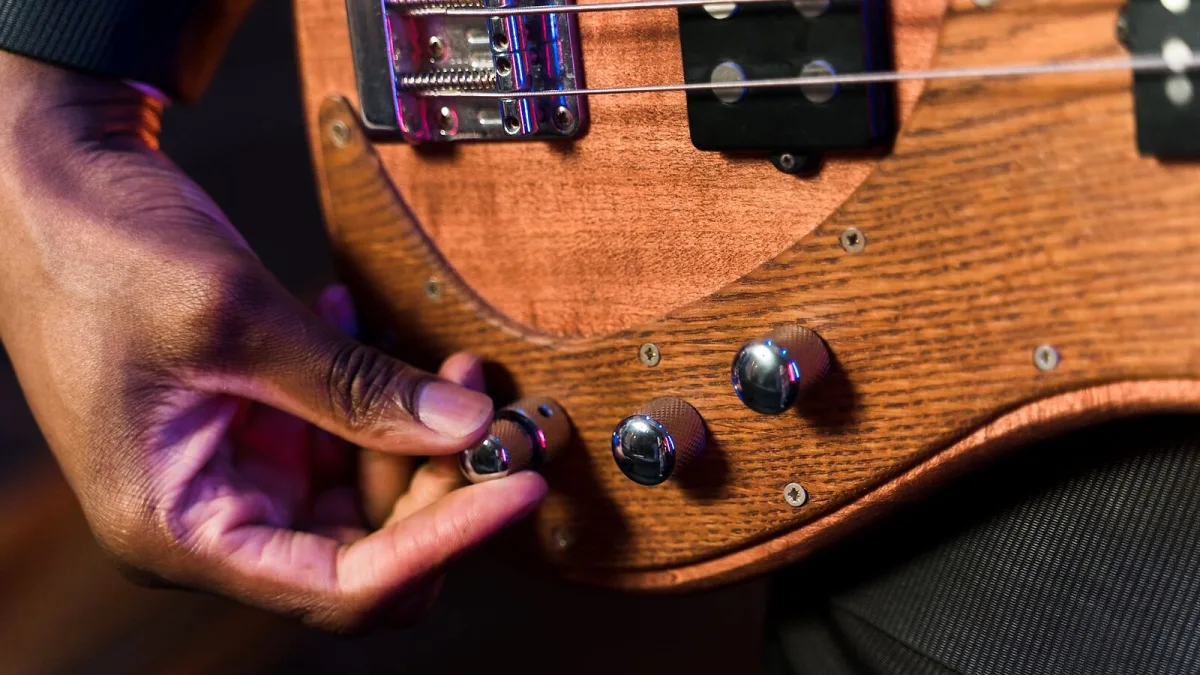
The tricky part about buying a Yamaha Pacifica isn't finding one — it's working out which one, because the name covers everything from an affordable first electric to a Japanese-made flagship. Let's work through the actual decisions that matter, in the order they matter.
Step One: Decide Your Budget Tier
The range splits fairly cleanly into tiers, and knowing roughly where you're shopping narrows things immediately.
| Tier | Models | Who It Suits |
|---|---|---|
| Entry-level | PAC012, PAC112 | First electric guitars, tight budgets |
| Upper-midrange | PAC611, PAC612 | Players wanting factory Seymour Duncan pickups and upgraded hardware |
| Premium | Standard Plus, Professional | Serious players comparing against higher-end S-style guitars |
There's no shame in any tier here — the entry-level guitars are genuinely capable instruments, not compromises dressed up as bargains.
Step Two: Work Out What You Actually Play
The pickup layout matters more than the model name. Most of the range uses an HSS configuration — bridge humbucker, middle and neck single-coils — which suits players who move between clean and overdriven tones regularly. If you lean toward blues, classic rock or roots-oriented styles and want a P-90-style neck pickup's forceful midrange, the PAC611 is worth prioritising specifically. If you want more traditional single-coil clarity alongside a solid bridge humbucker, look at the PAC612 instead.
Step Three: Consider Hardware, Not Just Pickups
Upper-tier Pacificas add hardware that genuinely affects day-to-day playing, not just spec-sheet bragging rights:
- Grover locking tuners — reduce string slippage, though they don't eliminate every tuning issue on their own
- Wilkinson VS50 6 vibrato — found on relevant 600-series models, generally more stable under regular tremolo use
- Graph Tech TUSQ nut and string trees — can reduce friction-related tuning problems compared with basic plastic nuts
- Coil-splitting push-pull controls — worth having if you want a wider tonal spread from one guitar, though remember a split humbucker isn't identical to a true single-coil
Step Four: Check the Neck Specification
Most Pacificas use a bolt-on maple neck with 22 frets, but the newer premium models diverge: the Professional uses a compound-radius fingerboard (10 to 14 inches, flatter toward the higher frets, which suits both chording and lead work), while the Standard Plus uses a 13¾-inch radius. Both use stainless-steel frets. If you've never played a compound-radius neck, it's worth trying one in person before committing, since neck feel is genuinely personal.
Step Five: New or Used?
A well-maintained used Pacifica can be excellent value, but model numbers matter enormously here — a PAC112, a PAC112V and a PAC611HFM can look broadly similar in photos while differing substantially in pickups, bridge type, neck radius and even country of manufacture. Always verify the exact model number before agreeing a price, and factor in that a used guitar may need a proper setup regardless of how good the deal looks.
What You'll Still Need to Budget For
The guitar itself is rarely the only cost. Factor in a case or gig bag if one isn't included, a decent set of strings suited to your preferred gauge, and — unless you already own one — an amplifier that can actually show off the pickup range you've paid for. A Pacifica's clean-to-overdrive versatility means little through an amp that only really does one of those things well.
A Note on Manufacturing Location
Where a Pacifica is made varies by model rather than being fixed across the whole range. The Professional series is currently made in Japan, while the Standard Plus is made in Indonesia; older or discontinued models may have been produced elsewhere entirely. It's a detail worth confirming per model rather than assuming from the range's general reputation.
Questions Worth Asking Before You Buy
- What's the exact model number, not just "a Pacifica"?
- Does the pickup layout suit the styles I actually play?
- Am I buying new, and if used, has it been properly set up?
- Do I need premium hardware, or would a mid-tier model already cover what I'm after?
Where to Go From Here
If you want a full walkthrough of the range's history and design before you decide, our complete guide covers that ground. For a value-first ranking of which model gets you the most for your money, see the best Pacificas for the money, and if this is your very first electric guitar, start with the beginner's guide instead.
The Bottom Line
Settle your budget tier, match the pickup layout to what you actually play, and verify the exact model number before handing over money, especially buying used. Get those three things right and choosing a Yamaha Pacifica stops being overwhelming and starts being genuinely straightforward.





Comments