


Washburn Acoustic Guitar article
Washburn Acoustic Guitar Explained: Features, Types and Tips
One of America's oldest guitar brands, Washburn has built a reputation for solid-top acoustics at competitive prices. This guide explains the key models, tonewoods and what sets them apart.
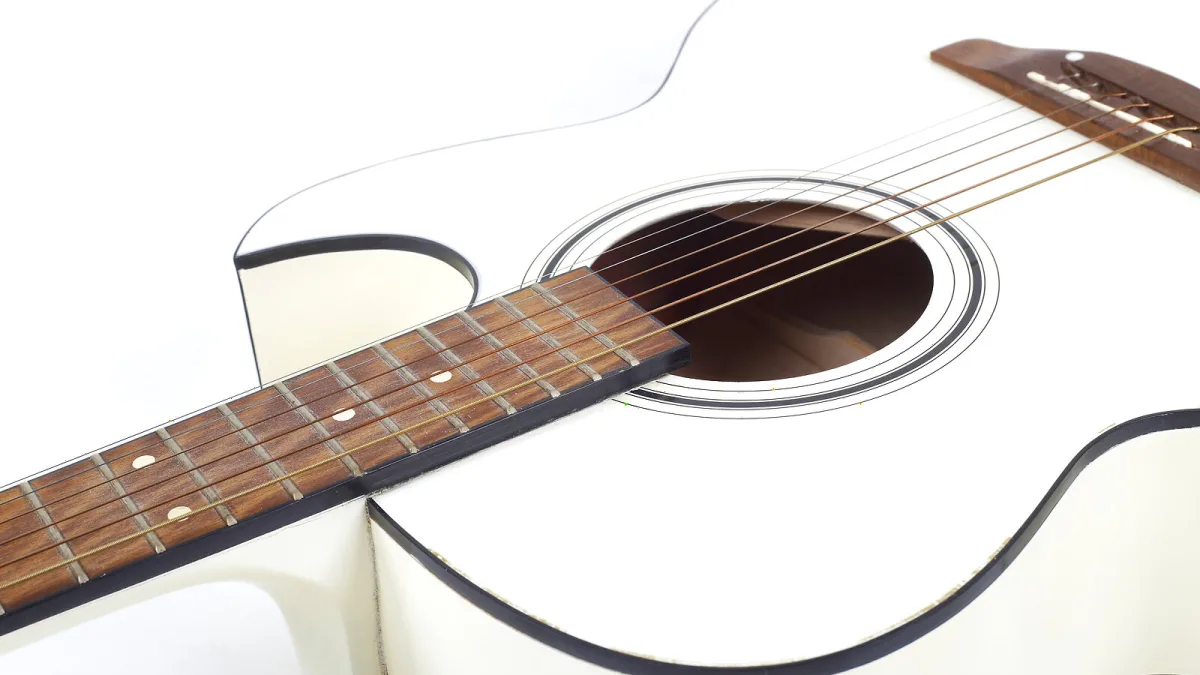
Washburn has been making guitars since 1883, which puts the company among the oldest continuously operating American guitar manufacturers. Today the brand is particularly well-regarded for its acoustic range — a series of solid-top and laminate instruments that offer competitive build quality and consistent playability at accessible prices. This guide explains what distinguishes a Washburn acoustic guitar, the models available and what to look for when choosing one.
A Brief History
Washburn was founded in Chicago and became known in the late nineteenth century for producing well-made, affordable instruments for working musicians. After changing ownership several times through the twentieth century, the brand settled into its current position as a respected mid-market manufacturer with a particularly strong acoustic range. The company has been headquartered in Nashville and is now part of the US Music Corporation. Its acoustic instruments are built around a reputation for solid-top construction at prices below what most competitors charge for equivalent specifications.
Key Features
A Washburn acoustic guitar is known for several distinguishing characteristics:
- Solid tops at competitive prices — Many Washburn models include a solid spruce or solid cedar top at price points where competitors typically use laminate. A solid top vibrates more freely and improves significantly in tone over time with regular playing.
- Comfortable neck profiles — Washburn necks have a reputation for being comfortable and accessible for players with smaller hands, with a modest nut width and medium action from the factory that suits most beginners and intermediate players.
- Consistent build quality — Production quality control is generally strong across the Washburn acoustic range, particularly in the mid-range Harvest and Woodcraft series.
- Good intonation — Washburn consistently sets intonation well from the factory, which matters significantly for players who spend time above the fifth fret.
Main Series and Models
The Washburn acoustic range is organised into several distinct series:
- Apprentice series — Entry-level instruments with laminate construction, aimed at absolute beginners. Good quality control for the price but with laminate tops throughout.
- Harvest series — The core mid-range line. Dreadnought and Orchestra body shapes, typically with solid spruce tops and mahogany back and sides. Strong value and the most widely stocked Washburn line in UK retailers.
- Woodcraft Custom series — Upper mid-range instruments with all-solid tonewoods and more refined appointments. The jump in resonance and tonal complexity from the Harvest series is noticeable.
- Festival series — Electro-acoustic versions of the main acoustic range. Built-in Fishman or proprietary pickup systems for live performance.
- G-Mini series — Compact travel-sized guitars with a smaller body and shorter scale. Suitable for travel, practice or younger players.
Tonewoods
Most Washburn acoustics use sitka spruce for the top, which gives a bright and balanced response with a clear fundamental that projects well at volume. Some models use cedar for the top, which provides a warmer, more immediate response that suits fingerpicking styles. Mahogany is the standard back and sides wood on most Harvest series guitars — it adds mid-range warmth and definition. Higher-spec Woodcraft models use rosewood or ovangkol for the back and sides, giving a fuller low end and wider dynamic range.
Who Are Washburn Acoustics For?
A Washburn acoustic guitar represents particularly good value for beginners who want a solid-top instrument without paying the premium that typically brings, and for intermediate players who want a reliable second guitar for travel or gigs. The brand is less prominent at the premium end of the market, where makers such as Martin, Taylor and Collings dominate. For players in the beginner-to-mid price bracket, however, a Washburn often outspecifies competitors at equivalent prices.
For help choosing a specific model, see our complete buyer's guide. If you are just starting out, our beginner's guide covers everything you need for your first sessions.






Comments