


Squier roundup
The Best Squiers for the Money
No fake tests, just an honest tier-by-tier look at which Squier suits which player, from first-timers to gigging regulars.
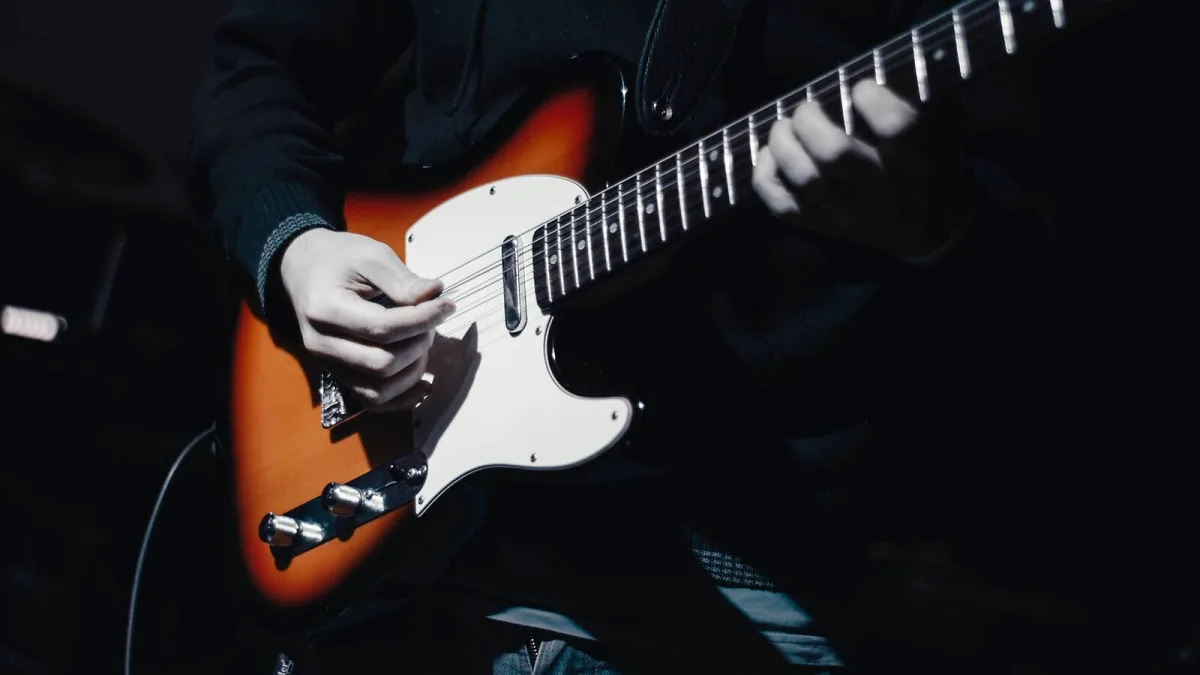
My first proper electric guitar was a hand-me-down, and I spent a long time afterwards wondering what I'd have bought if I'd actually had a choice. If you're standing in that position now, wondering which Squier actually suits you rather than which one has the flashiest name, here's how I'd talk you through it, tier by tier, honestly.
Best for a First Guitar or Bass
If you're just starting out, Sonic and Affinity are where most people land, and rightly so. They're built to a simpler spec, which keeps the price accessible, but they still carry the familiar Fender shapes underneath: Stratocaster, Telecaster, Precision Bass, Jazz Bass. Don't feel like you're settling for less here, plenty of people learn everything they need to know on exactly this tier before ever thinking about an upgrade. A first Squier doesn't need to be perfect, it needs to be playable, in tune, and comfortable enough that you actually want to pick it up every day.
Best for Vintage Tone Lovers
If you've fallen for the sound of old records, chiming clean tones, clear single-coil chime, a slightly looser, warmer character, Classic Vibe is where that lives. These models lean into period styling, gloss finishes and Fender-designed alnico pickups, and they genuinely sound like the era they're referencing rather than just looking like it. It's the tier I'd point a blues or classic-rock fan towards without hesitation.
Best for Heavier, Modern Playing
Metal, hard rock and anything relying on higher gain wants a different set of tools entirely. That's where Contemporary comes in, with satin necks for fast playing and, on many models, humbuckers or active electronics built to handle distortion without turning to mush. If your amp lives permanently on the edge of breakup, this is the tier worth auditioning first.
Best for Something a Bit Different
Paranormal is the series for players who want a Fender-family instrument that doesn't play it entirely safe, hybrid designs, offset bodies paired with unexpected pickup configurations, combinations you won't find in the standard catalogue. It's not for everyone, and that's rather the point. If a normal Strat or Tele has never quite scratched the itch, this is where I'd go looking.
Best for Gigging on a Budget
Playing out regularly changes what matters. A gigging Squier needs to survive being packed into a van, plugged in under unfamiliar lighting and trusted to stay in tune through a set. A hardtail-bridge model from the Affinity or Classic Vibe range tends to be the safer bet here, fewer moving parts means fewer things to go wrong at the worst possible moment. If you do want tremolo flutter, budget time for a proper setup rather than trusting it fresh out of the box.
Best for Home Recording
For recording, consistency and quiet electronics matter more than raw stage presence. A well-shielded single-coil Squier, or a Contemporary model with active electronics, tends to sit cleanly in a mix without fighting the desk for attention. It's also where a slightly higher-tier Squier earns its keep, cleaner pots and switches mean less unwanted noise creeping into a quiet take.
Best Squier Basses
On the bass side, the choice usually comes down to Precision versus Jazz. A Precision Bass, with its single split-coil pickup, gives you that classic, punchy fundamental that sits so well in a mix, it's the backbone of more records than almost any other bass design. A Jazz Bass swaps that for two single-coils and independent volume controls, trading a little punch for more tonal flexibility. Some models blend the two in a P/J layout, which is worth a listen if you genuinely can't choose between them. Whichever you pick, a bass tends to be a more forgiving first Squier than a guitar, there's less to fuss over tonally while you're still building basic technique.
What "Best" Doesn't Mean Here
I'm not going to pretend there's a single winning model, because the right choice depends entirely on what you're actually going to play. What I will say is that setup matters more than almost anything on this list, a beautifully specced instrument with a poor setup will disappoint you, and a modest one that's been properly adjusted can genuinely surprise you. If you want the full picture of series and specs before deciding, our complete buyer's guide goes deeper, and the explainer on how Squier is organised is worth reading if any of the series names above are new to you.
Still Deciding?
If you're completely new to this, our beginner's guide starts from a gentler place, and the common mistakes people make are worth ten minutes of your time before you buy anything.
The Bottom Line
There's no universally "best" Squier, only the one that suits how you actually play and what you're chasing tonally. Match the series to your sound, check the setup, and you'll end up with an instrument you're genuinely happy to pick up, not just one that looked good on a shelf.






Comments