


Rickenbacker Electric Bass Guitar roundup
The Best Rickenbacker Electric Bass Guitars for the Money
There isn't one best Rickenbacker bass, only the right one for the sound you're chasing and what you've actually got to spend. Here's how it breaks down.
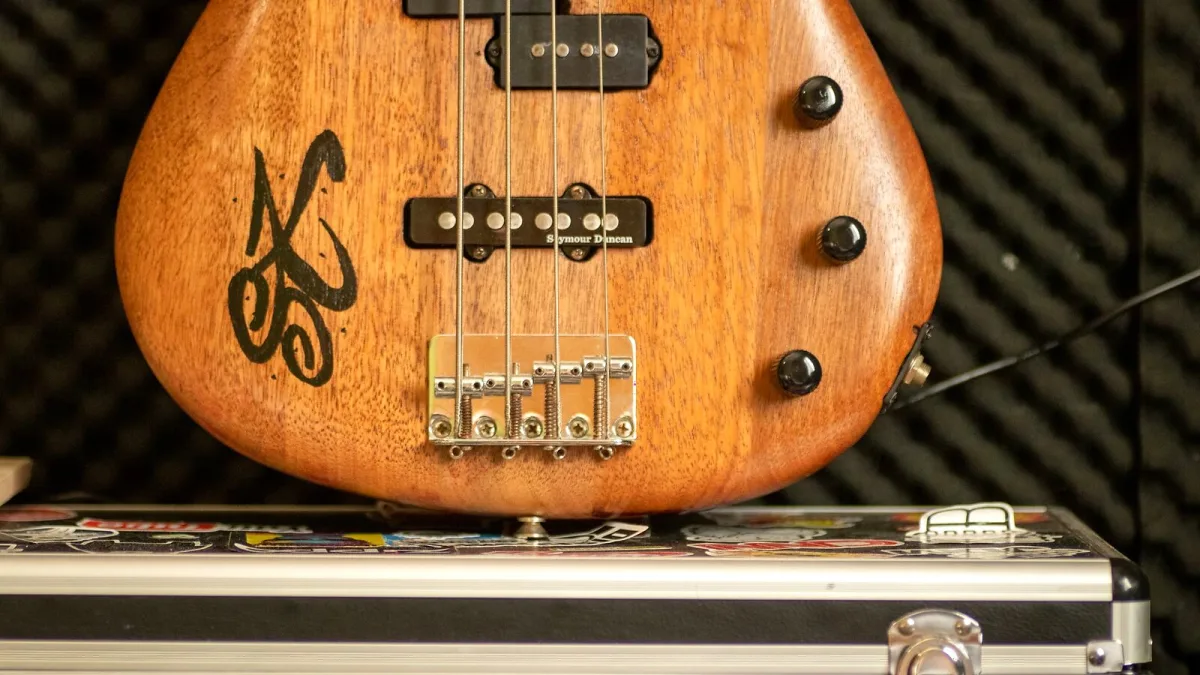
I still remember the first time I heard a Rickenbacker bass properly loud through an amp — that bright, biting midrange cutting straight through a wall of guitars, and thinking, right, that's a completely different animal to anything else in the room. There isn't one "best" one, though. There's the right one for the sound you're chasing and the money you've actually got to spend. Let's talk through how that breaks down.
The Modern Standard Rickenbacker Bass: The 4003
If you want the classic look and sound without the vintage-instrument headaches, the 4003 is where nearly everyone should start. It kept everything that made the original special — the neck-through build, the pickup pairing, that unmistakable silhouette — while sorting out the practical issues that made older examples trickier to live with day to day. For most players, it's simply the sensible, best-value way into this sound.
The Semi-Hollow Alternative: 4005V
Here's where it gets interesting for anyone who wants something a bit different. The 4005V revives the semi-hollow design from 1965, and it trades some of the solid-body snap for a warmer, more resonant voice. If you've always loved the 4001/4003 look but wanted a bit more air and roundness underneath it, this is genuinely worth the extra thought — and the extra spend.
Chasing the Vintage Sound: 4001
Then there's the original Rickenbacker bass itself. An honest, well-cared-for 4001 gives you that leaner, sharper bridge tone — the sound behind so much of the classic 1960s and 70s material this instrument is known for. It's not the practical choice, and it's certainly not the value choice once you factor in servicing, but for someone who's specifically chasing that historical character, nothing else quite gets there the same way.
Matching the Model to the Player
| What you're after | Best-value pick |
|---|---|
| The classic look and sound, hassle-free | 4003 |
| Something warmer and more resonant | 4005V |
| The original 1960s/70s character | Vintage 4001 |
Think About the Sound in Your Head, Not the Sound in the Video
It's tempting to pick a model because it's what Chris Squire or Lemmy or Paul McCartney played, but their tones came from decades of specific gear, technique and amplification, not just the bass itself. Think instead about which sound in that table actually matches what's in your head, and let that guide the spend — not which name gets mentioned most in old interviews.
Don't Skip the Setup Cost
Whichever tier you land on, the sticker price is never really the whole story. A proper setup, decent strings and, on anything used or vintage, a service by someone who genuinely understands Rickenbacker's dual-truss-rod system will make a bigger difference to how it actually plays than most people expect going in.
More From This Series
Want the full background first? Our guide to the Rickenbacker bass covers the history and the players. Ready to buy? Our full buyer's guide has the proper checklist. New to bass entirely? Try our beginner's guide, and dodge the obvious pitfalls with common mistakes to avoid.
The Bottom Line
The best value here isn't a single model — it's whichever one actually matches the sound you're chasing, bought with enough left over for a proper setup. Get that match right and it'll be the instrument you reach for the moment you can't decide what else to play.





Comments