


PRS Se roundup
Prs Se: A Complete Buyer's Guide
That figured top is lovely, but it's the details underneath that matter once you're deciding whether to buy. Here's what's actually worth your attention.
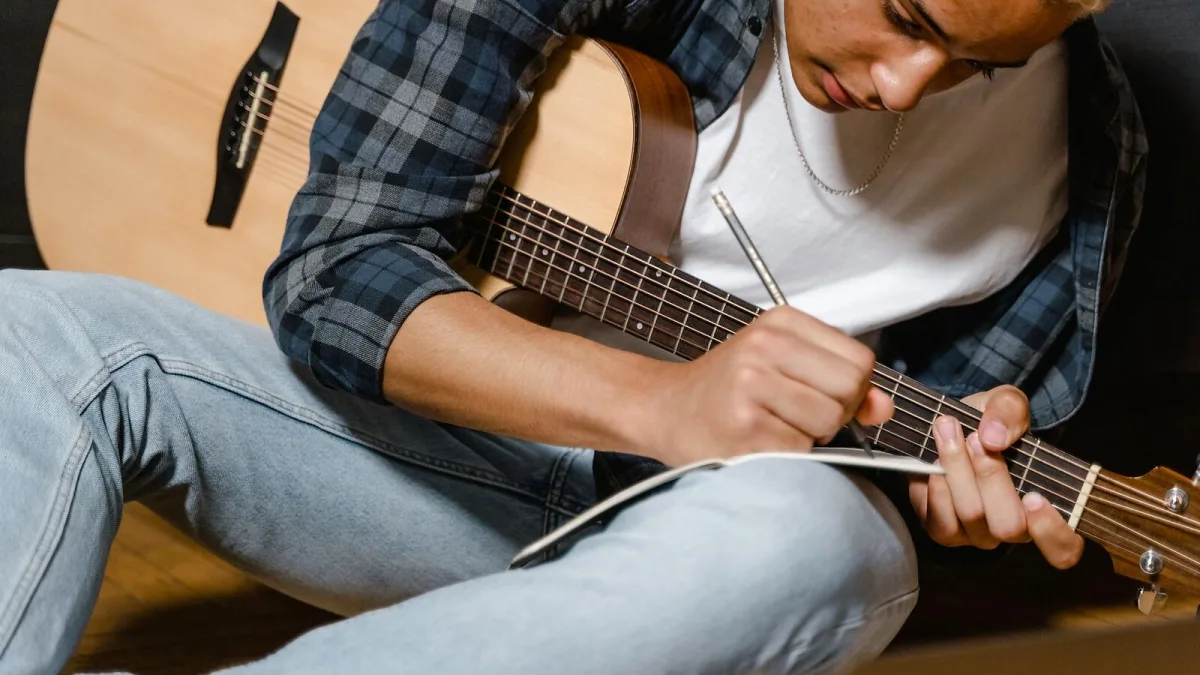
I remember the first time I picked up a PRS SE in a shop and genuinely couldn't tell you why it felt so different in my hands — that gorgeous figured top helps, admittedly, but it's the details underneath that actually matter once you're deciding whether to buy. If you're weighing up a PRS SE, let's go through what's actually worth your attention, and what's just nice packaging.
First, understand what "SE" really means
PRS SE sits at the accessible end of Paul Reed Smith's range — designed in-house but built by partner factories overseas, which is precisely why it costs a fraction of a U.S.-made Core instrument. Above it in the family tree sit S2 (made in Maryland with simplified specs) and then Core (the premium American mainline). None of that makes SE a lesser design on paper — it's the same PRS DNA, built to a different budget.
Decide what you actually want it for
This is the bit people skip, and it's the most important one. Want the classic, humbucker-driven PRS sound with a bit of switching flexibility? Look at the SE Custom 24. After something glassier and single-coil-flavoured, closer to a Strat than a Les Paul? The SE Silver Sky is built for exactly that. Chasing something thicker and more vintage-voiced? The SE McCarty models lean that way. There's no single "best" PRS SE — there's the one that matches what you're actually trying to play.
Tremolo or stoptail — and why it matters more than you'd think
A tremolo bridge gives you that lovely, wobbly pitch-bend PRS is known for, but it comes with a bit of ongoing upkeep — spring balance, nut friction and intonation all need attention whenever you change strings or gauge. A stoptail is simpler and more forgiving, and honestly, if you play in alternate tunings a lot or just want to change strings without thinking about it, it's worth genuinely considering over the more glamorous option.
Neck feel is not optional homework — try it in person
PRS uses several neck shapes across its range, broadly from slimmer profiles up to fuller, rounder ones, and the same nominal shape can feel surprisingly different depending on fret size and nut width. Reading a spec sheet will tell you almost nothing useful here. If there's any way to physically play a few necks before buying, do it — this is the single detail most likely to make or break how much you enjoy the guitar day to day.
What actually changes between SE, S2 and Core
| Series | Built where | Typical extras |
|---|---|---|
| SE | Partner factories, to PRS spec | Gig bag, PRS-designed pickups, figured veneer top |
| S2 | Maryland, USA | Simplified specs, increasingly Maryland-made pickups |
| Core | Maryland, USA | Premium materials, hardware and finishing, often a case |
Country of manufacture isn't a complete measure of quality on its own — it mostly tells you about materials, hardware tier and finishing rather than whether a specific guitar will play beautifully. That comes down to the individual instrument's fretwork and setup.
Check these things before you commit
- Fret ends and action — run a finger along the neck edge; nothing should feel sharp or unfinished.
- What's actually included — most SE models ship with a gig bag rather than a hardshell case, which matters if you're planning to travel with it.
- Coil-split realism — a lovely bonus voice, but don't buy expecting it to replace a genuine single-coil guitar.
- Weight — mahogany bodies with carved maple tops can run heavier than you'd expect; if you gig standing for hours, this matters.
- Whether it needs a professional setup — budget for one, especially on a used instrument or if you're changing string gauge.
Just want the simpler version of this advice? Our beginner's guide strips it right back, and our full explainer covers the features and models in more depth. Already own one? Common mistakes to avoid is worth a read too.
The bottom line
Buying a PRS SE well, in my experience, comes down to matching the model to what you actually play, trying the neck in person if you possibly can, and checking the individual guitar's setup rather than relying on the badge alone. Get those right and you'll end up with something genuinely lovely to own, whatever the price tag.





Comments